 Retro Replay Retro Gaming History, Reviews & Emulation
Retro Replay Review
Gameplay
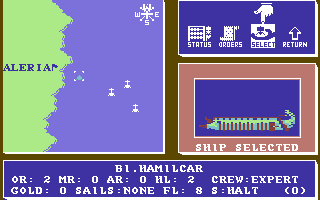
The first hour of Legions of Death is about committing to a fleet before you know exactly how well your choices will hold up. Starting with a modest bireme or reaching for a septireme changes the scale of your force, while boarding ramps, towers and sails let you shape each galley further. Then comes the crew: slaves, archers and marines are not decorative labels, but part of the larger question of how you expect your ships to fight. If you enjoy strategy games that make you think before the first turn begins, this opening is the reason to try it.
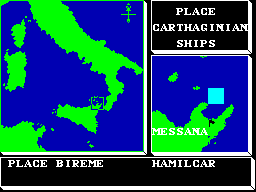
On the top-down central Mediterranean map, the game slows into a turn-based campaign of positioning, conquest and upkeep. Coastal cities are more than points on a score track: taking them brings in tax money and lets you repair ships. The catch is that gold needs to return to your capital, so expansion carries a logistical responsibility instead of being a simple grab-everything exercise. That push between extending your fleet and preserving its ability to operate gives the campaign its tension.
Victory can come through treasury size, cities held or enemy ships sunk, which gives you several pressures to watch at once. Naval combat matters, but it sits inside an economic contest rather than replacing it. The frustration is that the advertised Roman side is not available in single-player; alone, you command Carthage, while Rome requires a second human participant. That is a real disappointment when the game’s most distinctive historical idea is the contrast between Roman boarding tactics and Greek-style ramming traditions.
Still, the Carthaginian campaign has enough moving parts to reward patient planning. This is not a fast naval brawler. You will get more from it if plotting routes, managing repair access and deciding when a city is worth the detour sounds enjoyable. If you mainly want immediate ship-to-ship action, its menu-driven structure may feel dry.
Graphics
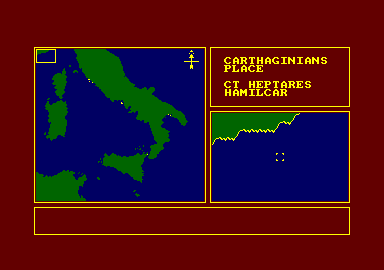
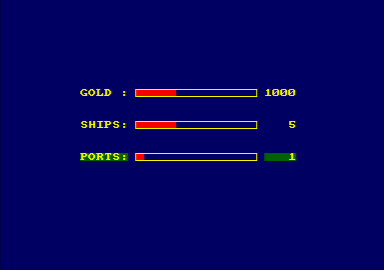
Legions of Death is viewed through menus and a top-down map of the central Mediterranean. The map perspective suits its strategic scale: you are directing galleys across sea lanes and toward coastal cities, rather than watching battles from an onboard viewpoint. Ship design is communicated through the choices you make—hull size, ramps, towers and sails—more than through lavish visual detail.
Story
This is a historical strategy frame rather than a character-led tale. The Punic Wars give the campaign a clear conflict—Rome against Carthage, from 264 to 146 BCE—and the focus on naval warfare keeps the subject more specific than a generic ancient-world conquest game.
The most compelling narrative idea lies in the opposing military assumptions. Greeks built ships around ramming, while Romans, less experienced at sailing, developed boarding methods that could bring infantry strength onto the water. Designing ships with boarding ramps and filling them with marines makes that history feel connected to your decisions instead of merely pasted into an introduction.
Solo play narrows the drama because you can only take Carthage’s side. A two-player match is where the Roman and Carthaginian contrast can properly play out, each commander working toward the same broad victory measures from opposite sides of the conflict. For background on the game and its release, the Legions of Death history page is useful context.
Overall Experience
Legions of Death has the kind of sturdy, systems-first appeal that can survive a bare-bones interface. Its best idea is not simply “ancient naval combat,” but the connection between fleet construction, city income, repairs and the task of hauling wealth safely home. When those concerns begin to overlap, each galley feels like an investment rather than a disposable unit.
Its biggest flaw is equally plain: single-player denies you the Roman side. That leaves a lopsided impression of a game built around a famous military contrast, and it lowers the value for anyone playing alone. The menu-driven pace also asks for patience; this is a game you sit with, not one that sweeps you along.
Give it a chance if you enjoy compact turn-based strategy with naval logistics and like experimenting with force composition before a campaign unfolds. Bring a second commander if possible, because that is where its central rivalry becomes complete. For solo players, it remains a worthwhile historical curiosity with solid strategic bones, but not an essential fleet command game.


Reviews
There are no reviews yet.