 Retro Replay Retro Gaming History, Reviews & Emulation



Retro Replay Review
Gameplay
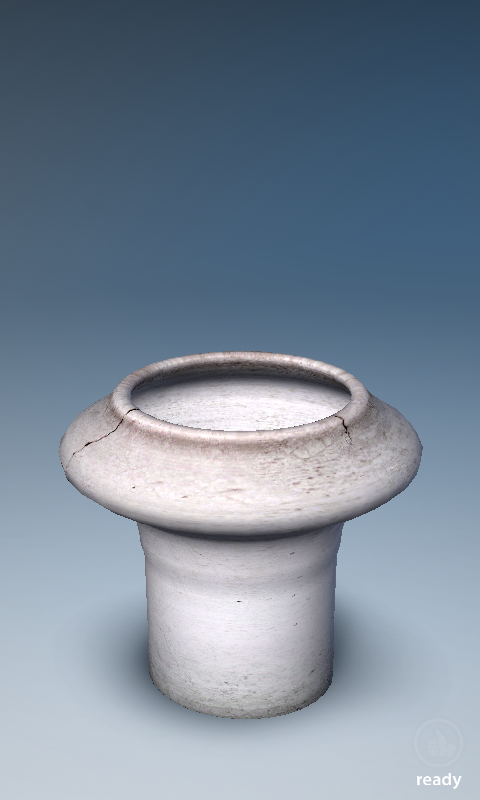
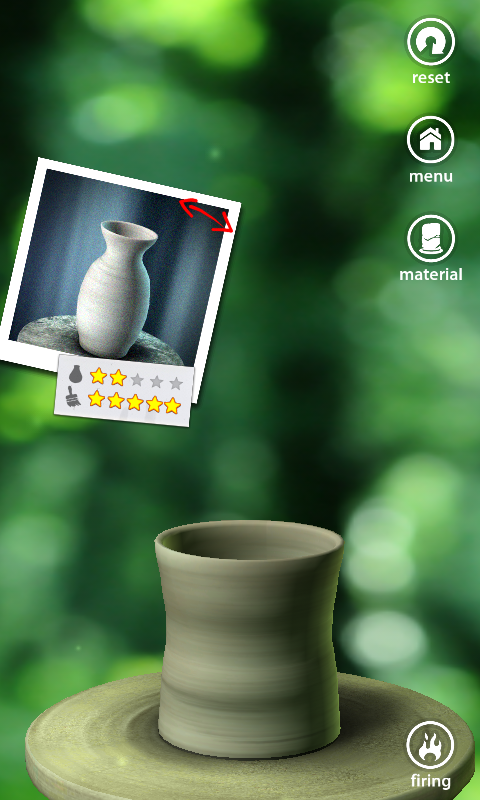
The first few minutes are satisfying because the central interaction is so direct. You touch the clay, drag up or down to alter its height, and move in or out to change its width at the point you are working on. It is a simple idea, but it invites tinkering. You can make a sensible pot, chase a more dramatic silhouette, or keep correcting one stubborn bulge until the result finally feels right.
Free-form creation only carries a game so far, and the customer orders are what give this one structure. Each message includes an image to imitate, then judges your finished piece with a star rating based on how closely it matches. That makes you pay closer attention to proportions than you might when casually making your own design. The frustration is also fair: if your eye for shape is not precise, a piece that looks good on its own may still score poorly as a copy.
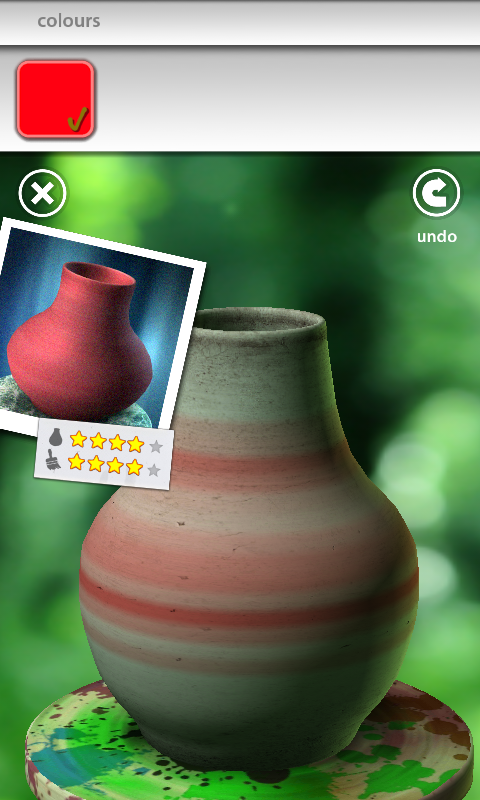
The full loop has a pleasant craft-room rhythm. Shape the vessel, bake it, paint it in different colors or add lines with brushes, then sell it at auction. Earnings go back into paints, brush patterns, materials, and additions such as handles and lids, so the shop gives you concrete reasons to keep making and selling pots rather than treating every attempt as disposable.
This is not a game for someone wanting constant escalation or a complicated simulation. Its strength is the focused act of making something with your hands and then trying to make the next one cleaner. Give it a chance if you enjoy slow, tactile creative tasks and do not mind that accuracy, rather than speed, is the real test.
Graphics
You spend your time looking closely at a single ceramic form as it changes from a lump of clay into a baked, painted object. The reference images in customer orders matter visually because you are comparing your vase’s height and width against their shapes, while paint, brush lines, lids, and handles give finished work some personality.
Story
There is no grand narrative pulling you from one chapter to the next. Instead, the game frames your work as a small pottery business: customers send requests, you fulfill them as closely as possible, and completed pieces go to auction.
That light premise fits the game well. An inbox full of orders is enough context to turn abstract crafting into a job with modest stakes, and the star rating supplies the feedback that a more traditional story might otherwise provide.
The community side extends that same idea beyond the workshop. You can upload creations for other people to rate, and rankings and contests offer a competitive angle for anyone who wants more than private experimentation. It is a sensible extra motivation, though the personal satisfaction of finishing a piece you like remains the stronger hook.
Overall Experience
Let’s Create! Pottery succeeds because it makes a very narrow activity feel pleasantly hands-on. The best moments come when a rough shape slowly becomes intentional, then survives the bake and earns the decoration you had in mind. It is easy to understand, yet the copy orders reveal how much care it takes to control a form well.
Its limits are part of the deal. The game revolves around pottery, and the progression mainly expands how you decorate and embellish that work. If that sounds repetitive before you begin, it probably will be; if the thought of refining vase after vase sounds calming, the loop has real staying power.
The payoff is modest but genuine: better tools, more ways to finish your creations, and a growing ability to nail the requested shape. It is worth your time as a relaxed creative simulation with a welcome dose of precision, especially if you like games that let you slow down and make something rather than merely chase a high score.



Reviews
There are no reviews yet.