 Retro Replay Retro Gaming History, Reviews & Emulation
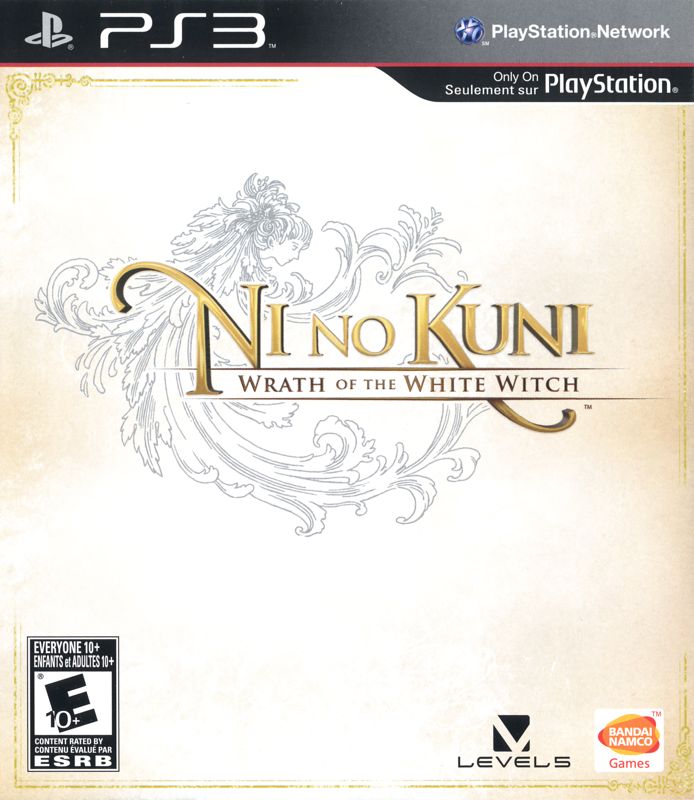
Retro Replay Review
Gameplay
The first hour gives you a strong reason to care before asking you to save anybody: Oliver is a boy trying to turn unbearable grief into hope. Once Drippy arrives and opens the door to another world, the game finds its main rhythm. You travel as a young wizard, meet people who need help, and head toward a larger threat embodied by the Dark Djinn Shaddar. It is familiar fantasy-RPG territory on paper, but Oliver’s personal reason for taking the journey gives the opening more emotional weight than a routine chosen-one setup.
Combat is real-time, but it is not mindless button mashing. Enemies roam the overworld and dungeons, and contact takes you into an encounter where attacks run for a set duration after you issue a command. You can switch between Oliver and a Familiar whenever you need to, which creates a welcome layer of decision-making: should Oliver act directly, or is one of his creatures better suited to the moment? Familiars have their own attributes while sharing Oliver’s HP and MP, so they feel tied to his survival rather than like disposable summons.
The catch is that Familiars cannot remain active forever. Their battle time expires and they must be retired from the fight, forcing you to pay attention instead of leaning on one favorite creature without thought. That limitation can be frustrating in a hectic battle, especially if you switch at the wrong moment, but it also gives the system a useful push-and-pull. When it clicks, you are managing timing, commands, and who is currently on the field rather than simply waiting for a turn.
Outside combat, Oliver’s ability to take excess personality traits from one person and give them to someone lacking them is a smart fit for the game’s warmhearted tone. Helping somebody recover enthusiasm or another missing quality makes side tasks feel connected to the journey’s interest in healing people. Errands also award merit stamps that can be traded for rewards, giving helpful detours a concrete payoff. If you enjoy RPGs that make room for helping townsfolk between larger objectives, these systems make wandering off the main path worthwhile.
Graphics
This is a third-person fantasy RPG with enemies visible as they roam the overworld and dungeon spaces before a battle begins. Oliver is accompanied by Drippy and his Familiars, so the game’s action is built around a young wizard moving through a world populated by summonable creatures and hostile enemies rather than an abstract menu-only battlefield.
Story
Ni no Kuni starts from a painful place. Oliver loses his mother after she tries to save him from drowning, then cries over a doll she made for him. When that doll becomes Drippy, the story earns its magical turn through Oliver’s desperation rather than treating another world as a casual adventure destination. You understand why he would follow a fairy through a portal: he believes this could lead him to Alicia, the Great Sage who may be his mother’s counterpart and perhaps his only chance to see her again.
The linked-soul premise gives the quest a little more intrigue than a simple resurrection story. People in Oliver’s world have equivalents in Drippy’s world, meaning the two places are connected in ways that make each encounter potentially matter on both sides. It also neatly supports the trait-restoration tasks: the game’s concern with people who have too much or too little of a quality belongs to its larger idea that lives and hearts affect one another.
Drippy keeps the tone from sinking under Oliver’s sadness. His hope that Oliver is the legendary wizard capable of saving the world places a classic heroic burden alongside the deeply personal mission to restore Oliver’s mother. The story eventually diverges from the path of Shikkoku no Madōshi around its middle, so it is not merely repeating that earlier tale. Come for a fantasy quest with a sincere emotional hook, and you will find one that has room for both intimate loss and a world-scale conflict.
Overall Experience
Ni no Kuni: Wrath of the White Witch is at its strongest when its systems reinforce Oliver’s character. His quest is not just about beating Shaddar; it is about a grieving child trying to repair what was broken, whether that means finding a path to Alicia or helping strangers overcome a lack of some essential trait. Drippy’s arrival gives the journey energy, while the world-spanning soul connection gives its smaller acts of kindness a reason to matter.
You should give it a chance if you want a fantasy RPG with an emotional opening, visible enemy encounters, and real-time battles that require active switching between a hero and his creature partners. The Familiar time limit may test your patience before the rhythm settles in, but it prevents combat from becoming a passive routine. There is enough to think about in each encounter without losing the sense that Oliver is growing into the role Drippy believes he can fill.
At an 8.5, this is an easy recommendation for anyone who likes a more heartfelt RPG journey and does not mind managing a party under pressure. Its best moments come from the meeting of big fantasy stakes and small human needs: you are pursuing a Dark Djinn, but you are also restoring enthusiasm, completing errands, and pushing Oliver toward the hope that brought him into this strange new world in the first place.


Reviews
There are no reviews yet.