 Retro Replay Retro Gaming History, Reviews & Emulation

FanWen Yang’s fwNES98 offered another route through the NES’s stubborn cartridge library, with versions for DOS and Linux and a distinctive interface.
Name: FanWen Yang; archived pages also spell it Fanwen
Known for: fwNES and fwNES98
1998 connection: fwNES98 circulated for DOS and Linux SVGAlib
Historical caution: Archived download listings do not by themselves prove every mapper worked
Another answer to the NES question
FanWen Yang wrote fwNES in a period when a popular emulator could easily be mistaken for the whole NES story. By 1998, users could choose among several programs with different strengths, prices, and host platforms. fwNES98 is listed in the preserved Patent Pending NES directory as a shareware program with DOS and Linux SVGAlib builds. That pairing is a useful reminder that “PC emulation” did not mean Windows alone. A player on a Linux machine had different graphics and sound options from a player launching a DOS executable.
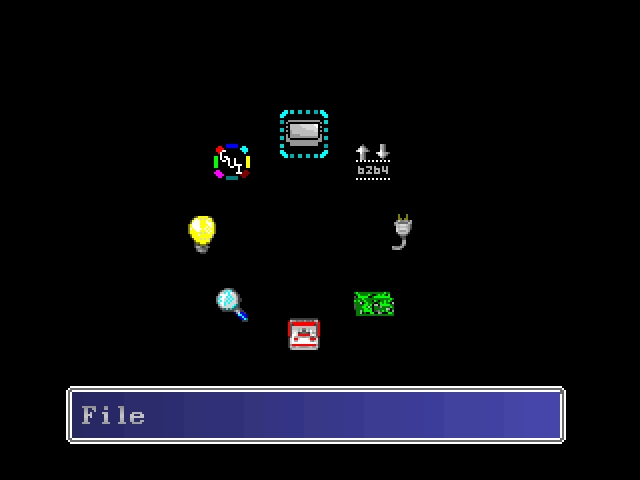
Zophar’s fwNES entry identifies Yang and notes support for a good number of mappers and an unusual interface. A mapper is cartridge hardware that changes how a game accesses memory or generates events. It explains why success with one famous NES game said little about another title’s compatibility. A programmer who added mapper support widened the library in a concrete way, even if a simple screenshot could not display the technical change.
Shareware and expectations
The shareware label placed fwNES98 in one of the year’s recurring debates. Some users believed emulators should be free, especially when game data had its own legal and ethical complications. Others saw a programmer’s time and technical skill as worth paying for. The Patent Pending directory preserves the licensing label without resolving the argument. Yang’s work should be evaluated as software and as part of that economic conversation, not dismissed because its model differed from a familiar freeware program.
Multiple host builds also created maintenance work. A graphics mode that worked in DOS might need changes for Linux SVGAlib. Controller inputs, file paths, and audio could behave differently. From the outside a port can look like a minor checkbox. For a small emulator author it can mean debugging another entire environment while the cartridge-compatibility work continues. The existence of both builds shows the audience Yang hoped to reach.
What survives
The preserved fwNES images in the local research archive illustrate the emulator but do not establish the precise release date or compatibility of each pictured version. That limit is common for 1990s projects whose original homepages have shifted or vanished. The reliable claims here rest on surviving directory entries and the program’s association with Yang.
Yang’s place in the 1998 chapter is the larger lesson that NES emulation was still an active technical field. NESticle had made the concept popular, but no single program gave every player every cartridge, platform, and interface they wanted. fwNES98 offered another answer. Its story belongs beside RockNES, FCE Ultra, and Japanese projects that English-language sites sometimes struggled to document. Together they make the year look like a community of experiments rather than a finished product category.
Context and legacy
The two archived platform builds are particularly interesting because both DOS and Linux SVGAlib gave programs direct access to display modes that a later desktop application might hide. That could help performance, but it also meant a user had to understand the host setup. A program’s reputation for speed depended partly on the machine and the environment in which reviewers tested it. Yang was serving an audience willing to make those choices in exchange for a capable NES emulator.
A preserved directory can tell us who authored the software and which version was listed; it cannot tell us which favorite game a particular visitor successfully finished. That is why this biography does not invent a dramatic compatibility triumph. It instead places fwNES98 in the actual problem space of the year: mapper diversity, cross-platform maintenance, and arguments over shareware. Those are concrete contributions to the scene even when the original homepage has not survived in a complete, easily dated form.
FanWen Yang in the History of Video Game Emulation
1998 Part II: The Console Race Reaches the PlayStation Era
FanWen Yang’s fwNES98 offered another route through the NES’s stubborn cartridge library, with versions for DOS and Linux and a distinctive interface.