 Retro Replay Retro Replay gaming reviews, news, emulation, geek stuff and more!



Retro Replay Review
Gameplay
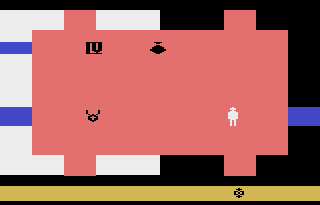
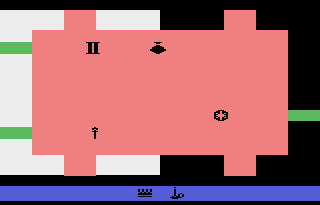
SwordQuest: WaterWorld follows the proven formula of its predecessors, EarthWorld and FireWorld, by guiding players through a series of interconnected chambers in search of crucial artifacts. You’ll navigate maze-like rooms, collect keys, jewels, and other mystical items, then strategically place them to unlock new areas. The sense of exploration is heightened by the need to retrace your steps once you’ve uncovered a vital clue or item, offering both challenge and reward as you piece together the path forward.
(HEY YOU!! We hope you enjoy! We try not to run ads. So basically, this is a very expensive hobby running this site. Please consider joining us for updates, forums, and more. Network w/ us to make some cash or friends while retro gaming, and you can win some free retro games for posting. Okay, carry on 👍)
Throughout the adventure, action stages punctuate the room-to-room exploration, demanding precise timing and reflexes. These high-octane sequences range from underwater chases avoiding hostile sea creatures to surfacing B-button battles against mini-bosses. Success in these segments yields additional items or access codes that feel truly earned, breaking up the methodical puzzle-solving with bursts of arcade-style excitement.
What truly sets WaterWorld apart is its integration with the included comic book: when you place the right combination of items in the correct room, a pair of numbers flashes on-screen. These numbers correspond to a page and panel in the comic, where a hidden word awaits discovery. Finding and logging the right words transforms each play session into an interactive treasure hunt, with the tantalizing promise of entering Atari’s contest to become the ultimate SwordQuest champion. This meta-puzzle mechanic adds layers of depth, motivating you to explore every nook and scrutinize every illustration.
Graphics
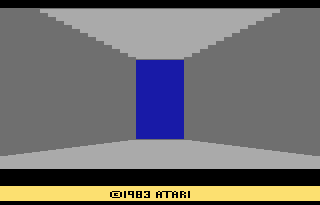
For a late-era Atari release, WaterWorld delivers surprisingly detailed visuals that embrace an aquatic theme with cool blues, shimmering waves, and coral-like background motifs. The environments feel distinct, from sunlit shallows to deep-sea caverns, each rendered with crisp pixel art that makes item pickups and hazards easy to distinguish. The layout of rooms is often cleverly designed to leverage tile-based graphics, creating memorable landmarks within the labyrinthine map.
Character sprites, including your valiant hero and the various sea monsters, animate smoothly for the platform’s capabilities. WaterWorld’s designers made efficient use of color palettes to convey depth: darker shades dominate the deeper levels, while lighter hues signal safe zones or puzzle-centric chambers. Action stages feature fast-moving waves and dynamic obstacles that push the Atari hardware to its limits, yet maintain solid frame rates without noticeable slowdown.
While dated by today’s high-definition standards, the graphical style retains nostalgic charm and clear readability. Icons for keys, chalices, and elemental emblems stand out sharply against their backgrounds, ensuring you never struggle to identify critical items. Even the comic book art, reproduced on the cartridge’s manual pages, complements the in-game visuals, making the transition from screen to physical page feel seamless and intentional.
Story
WaterWorld continues the overarching SwordQuest narrative, where elemental realms each house a fragment of ultimate power. In this chapter, the hero dives beneath the waves to reclaim the Water Amulet and thwart an evil force threatening to flood the world with chaos. Though minimalist in dialogue, the storyline is conveyed through environmental storytelling, in-game cutscenes, and the richly illustrated comic that accompanies the cartridge.
The comic book doesn’t merely recount events; it serves as an indispensable gameplay aid. As you collect items and solve room-based puzzles, you’ll flip through the panels searching for concealed words tied to your on-screen clues. This interplay between digital and analog mediums fosters a deeper connection to the story, making each comic panel a vital piece of the narrative tapestry. Players invested in the lore will appreciate how the comic expands upon the cryptic text and glyphs found within the game’s chambers.
The contest component wraps the storyline in a real-world quest, turning players into active participants in the SwordQuest universe. By mailing the correct words from the panels, you’re not just unlocking an ending—you’re vying for exclusive prizes and recognition from Atari. This blending of fiction and reality heightens the narrative stakes and elevates WaterWorld from a conventional platformer to a uniquely immersive experience.
Overall Experience
SwordQuest: WaterWorld expertly melds exploration, action, and meta-puzzling into a cohesive whole that stands out among classic Atari titles. Its balance between slow-paced room puzzles and adrenaline-fueled stages keeps the gameplay loop fresh over hours of play. The linked comic book mechanic showcases inventive design, rewarding curiosity and attention to detail while offering a sense of accomplishment beyond the screen.
While modern gamers might find the controls and graphics rudimentary, WaterWorld’s strengths lie in its originality and nostalgic appeal. It’s best suited for enthusiasts of retro gaming, puzzle hunters, and completionists drawn to the idea of solving a contest that transcends the cartridge. The requirement to juggle both in-game clues and comic-based riddles may feel challenging at first, but it ultimately delivers a satisfying “aha” moment each time a new word is uncovered.
For collectors, SwordQuest: WaterWorld represents the pinnacle of Atari’s ambitious contest-era experiments. Even without the allure of prizes, the game offers substantial replay value through alternate puzzle routes and the thrill of re-examining comic panels for missed clues. In sum, WaterWorld remains a standout example of early narrative integration and interactive puzzle design—highly recommended for those seeking a taste of gaming history with a clever twist.


Reviews
There are no reviews yet.