 Retro Replay Retro Replay gaming reviews, news, emulation, geek stuff and more!


Retro Replay Review
Gameplay
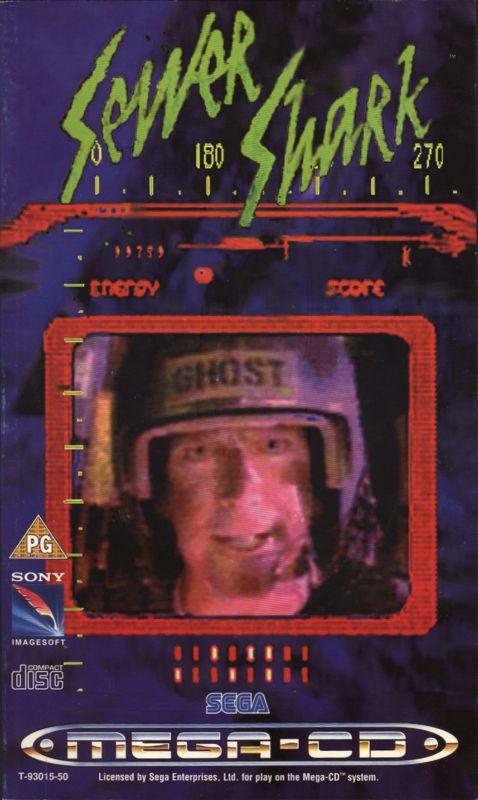
Sewer Shark delivers a unique take on the rail shooter genre by leaning heavily on FMV (full-motion video) technology. As the pilot of a high-speed hovercraft engineered for subterranean warfare, you’ll constantly move forward through twisting, claustrophobic tunnels while using an on-screen crosshair to eliminate waves of mutated “ratigators.” The firing mechanics are straightforward: aim with the directional pad or thumbstick, pull the trigger to shoot, and keep an eye on your limited ammo reserves. Accuracy and reaction time are vital, as stray shots are penalized and the pace rarely lets up.
(HEY YOU!! We hope you enjoy! We try not to run ads. So basically, this is a very expensive hobby running this site. Please consider joining us for updates, forums, and more. Network w/ us to make some cash or friends while retro gaming, and you can win some free retro games for posting. Okay, carry on 👍)
At key junctions, Sewer Shark allows you to make split-second directional choices—left, right, up or down—to choose alternate routes through the sewers. These branching paths add a layer of strategy, encouraging replay to discover hidden corridors or high-value targets. However, the FMV sequences are fixed, so while you may explore different tunnels, the core footage remains the same. This design keeps the action feeling fresh enough on repeat plays, but savvy players will quickly learn which paths yield the best scoring opportunities.
The game’s challenge ramps up steadily. Early levels introduce you to basic ratigator types, while later stages throw faster, more elusive mutants and environmental hazards—like collapsing pipes or flickering lights—into the mix. Despite the limited interactivity, the pressure of dwindling ammo, the threat of collision, and the constant onslaught of enemies make each mission tense. Hardcore players will find enduring appeal in mastering every target pattern and route.
Graphics
For its time, Sewer Shark’s visual presentation was nothing short of revolutionary. Harnessing the Sega CD’s CD-ROM capabilities, the game streams prerecorded video footage of live-action sets and models to create the illusion of journeying through a living, breathing sewer system. The practical effects—flickering fluorescent lights, dripping water, and clattering pipes—lend a palpable sense of place that few games had achieved by 1993.
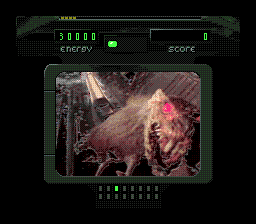
That said, the FMV sequences are hampered by low resolution and color banding typical of early CD-ROM titles. Close-ups of the ratigators can appear blocky, and the video can suffer from occasional frame drops. Yet, these imperfections also contribute to the game’s gritty atmosphere, transforming technical limitations into an underground horror aesthetic. The occasional blurring and pixelation won’t satisfy modern high-definition cravings, but vintage enthusiasts will appreciate the raw, analogue feel.
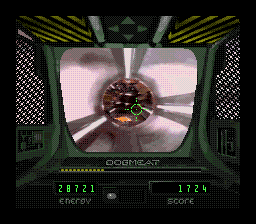
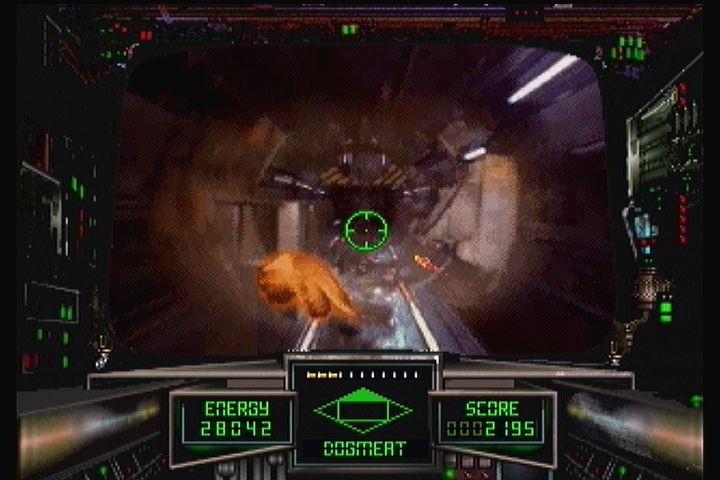
Overlayed crosshairs, score counters, and ammo indicators are neatly integrated into the video streams without overly obscuring the action. Explosions and muzzle flashes are executed with bright, bold sprites that momentarily distract you, heightening the intensity of each firefight. In short, while Sewer Shark’s graphics are outdated by contemporary standards, they remain a fascinating snapshot of an era when developers experimented boldly with new media.
Story
The narrative framework of Sewer Shark is concise but evocative: in a dystopian near-future, humanity has retreated into subterranean tunnels to escape an environmental catastrophe. These once-safe refuges are now infested by “ratigators,” terrifying hybrids of rats and alligators mutated by toxic waste. As a volunteer pilot, your sole mission is to purge the sewers of these deadly vermin in exchange for a one-way ticket to Solar City’s beaches above ground.
Rather than unveiling plot twists or detailed character arcs, Sewer Shark relies on atmospheric hints and mission briefings to build its world. Before each sortie, you receive a terse audio dispatch outlining the task at hand and warning you about new ratigator variants. Between missions, brief leadership speeches remind you of the stakes: survive long enough, and you earn your freedom. The story’s power lies in its minimalism—every shot you fire feels like a direct contribution to humanity’s eventual reclamation of the surface.
Although some players may find the lack of in-game dialogue or cutscenes limiting, Sewer Shark’s premise is strong enough to carry you through its five chapters. The ratigator designs, blending vicious biological traits with uncanny humanoid movements, reinforce the sense of fighting a genuine plague. Overall, the narrative gives just enough context to motivate the action without slowing down the breakneck pace.
Overall Experience
Sewer Shark stands today as a pioneering relic of the early CD-ROM era—an experimental fusion of live-action video and interactive shooting sequences. Its FMV technology may feel primitive compared to modern high-definition cutscenes, but it remains compelling for players intrigued by gaming history. Whether you’re a retro collector or simply curious about the roots of full-motion gameplay, Sewer Shark offers an unforgettable, if occasionally clunky, ride through the dark underbelly of a post-apocalyptic world.
The game balances novelty with challenge, rewarding both quick reflexes and memorization of level layouts. While the fixed-video branches can lead to repetitive footage after multiple playthroughs, the rush of dodging hazards and dispatching ratigators in a frenetic on-rails shooter is still potent. If you approach Sewer Shark with an appreciation for its era and hardware constraints, you’ll find plenty to enjoy.
In the end, Sewer Shark is less about deep mechanics or narrative complexity and more about delivering an immersive, adrenaline-pumped experience. Its strengths lie in atmosphere, pacing, and the sheer novelty of FMV interactivity. For anyone building a retro library or exploring early experiments in cinematic gaming, Sewer Shark remains a must-play curiosity that laid groundwork for future multimedia titles.


Reviews
There are no reviews yet.