 Retro Replay Retro Replay gaming reviews, news, emulation, geek stuff and more!



Retro Replay Review
Gameplay
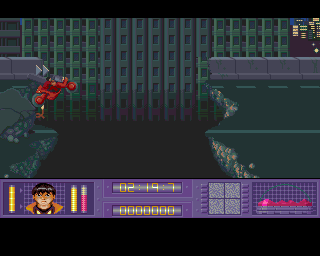
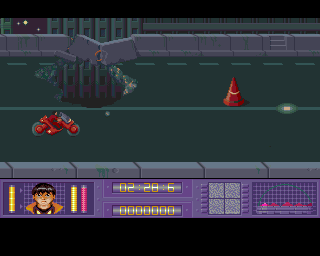
The core gameplay of Akira is a blend of high-speed motorcycle navigation and intense side-scrolling combat. In the opening levels, you take control of Kaneda’s futuristic bike, weaving through a dystopian Neo-Tokyo filled with roadblocks, craters, and enemy combatants. These sections demand quick reflexes as you dodge bombs thrown by gang members, leap over gaps using strategically placed ramps, and clear barriers with grenades obtained by smashing traffic cones. The constant threat of running out of fuel adds an extra layer of tension, forcing you to balance speed with caution to reach each level’s end before your tank runs dry.
(HEY YOU!! We hope you enjoy! We try not to run ads. So basically, this is a very expensive hobby running this site. Please consider joining us for updates, forums, and more. Network w/ us to make some cash or friends while retro gaming, and you can win some free retro games for posting. Okay, carry on 👍)
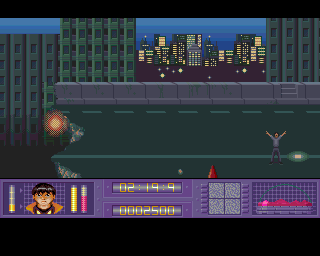
Once you survive the perilous road stages, the gameplay transitions into five distinct platforming levels. Here, Kaneda dismounts his bike and engages in close-quarters combat against waves of enemies. Each foe you dispatch contributes to a kill-meter that you must completely fill to progress. The simple “run-and-gun” formula is bolstered by a variety of melee and ranged attacks, encouraging you to experiment with different combos and timing. While the combat can feel repetitive at times, mastering the kill-meter mechanic provides a satisfying sense of progression and mastery.
Controls are generally responsive, though the bike sections can feel a bit unforgiving until you learn the precise timing for jumps and grenade throws. Platforming segments offer tighter control over Kaneda’s movements, but the difficulty spikes in later stages can catch newcomers off-guard. Health pickups and occasional weapon upgrades help maintain a fair challenge, but expect to replay sections multiple times as enemies and environmental hazards ramp up. Overall, the gameplay loop is straightforward yet engaging, combining adrenaline-fueled racing with retro beat-’em-up action.
Graphics
Visually, Akira captures the spirit of its anime source material through vibrant, hand-crafted pixel art. The motorcycle stages showcase a scrolling urban backdrop, with neon signs flickering and crumbling buildings whizzing past at breakneck speed. Subtle parallax effects give depth to the cityscape, while detailed sprites for Kaneda’s bike and adversaries bring the world to life. Explosions and weapon effects, though limited by the hardware of the era, still convey a sense of chaos and urgency.
In the platform levels, character animations are fluid and expressive for a classic side-scroller. Kaneda’s punches, kicks, and gunfire are smoothly rendered, and enemy designs draw directly from the film’s iconic biker gangs and military forces. Backgrounds shift from industrial complexes to subterranean tunnels, each environment featuring unique color palettes and atmospheric touches like flickering lights or distant sirens. Though modern standards would demand higher resolution, the retro aesthetic holds a nostalgic charm that fans of 16-bit titles will appreciate.
Transitions between stages are punctuated by simple yet effective cutscenes that nod to key moments in the Akira narrative. While these sequences lack voice acting, they employ dramatic pixel art and scrolling text to keep players immersed. Overall, the graphics may feel dated to newcomers, but they remain a testament to creative sprite work and level design that evoke the bleak, futuristic world of the original film.
Story
The narrative in Akira’s game adaptation is streamlined, offering a skeletal framework of the film’s complex plot. You assume the role of Kaneda, determined to rescue his friend Tetsuo after a catastrophic psychic awakening. Early motorcycle stages symbolically represent Kaneda’s desperate pursuit through the city, while platform levels dramatize his battles against military forces and rival gangs. Although dialogue is sparse, the urgency of each mission communicates the stakes effectively.
Rather than weaving an intricate tale, the game focuses on action-driven encounters that echo key set-pieces from the anime. Story exposition is delivered through brief interludes and text-based cutscenes, allowing you to piece together motivations and allegiances. This minimalist approach keeps the pace brisk but may leave newcomers craving more context about Akira’s deeper themes of power, corruption, and friendship. Longtime fans, however, will recognize familiar landmarks and character designs that evoke nostalgia.
Despite its simplicity, the storyline provides enough narrative thrust to justify each level’s objectives. The sense of escalation—from navigating dangerous roads to confronting powerful foes—mirrors Kaneda’s journey in the film. While true believers may lament the absence of psychological depth and sprawling subplots, the game successfully channels the spirit of Akira in an action-focused format, delivering a concise adventure that complements the source material.
Overall Experience
Akira offers a unique blend of racing and beat-’em-up action that stands out among contemporaries of its era. Its split focus on motorcycle hazards and on-foot combat creates varied gameplay that keeps you engaged across multiple levels. While the difficulty curve can be steep—particularly as fuel shortages and kill-meter requirements intensify—the satisfaction of mastering each stage’s mechanics is rewarding. Expect to invest time learning enemy patterns and optimizing your grenade usage during bike chases.
From a presentation standpoint, the game’s pixel art and soundtrack capture the gritty, cyberpunk atmosphere of Neo-Tokyo with remarkable fidelity. Though modern gamers might find the visuals dated, the technical artistry involved in pixel animation and parallax scrolling still shines through. The sparse narrative serves its purpose, driving you forward without bogging down the pace, but those seeking a deeper story may find it somewhat lacking.
Ultimately, Akira is best experienced by fans of the film and retro gaming enthusiasts who appreciate classic side-scrolling challenges. Its combination of high-octane motorcycle sequences and frantic combat offers a memorable, if occasionally demanding, journey through one of anime’s most iconic worlds. For anyone curious about how the landmark movie translates to a video game format, Akira delivers an authentic, adrenaline-fueled adventure that’s well worth exploring.


Reviews
There are no reviews yet.