 Retro Replay Retro Replay gaming reviews, news, emulation, geek stuff and more!

Retro Replay Review
Gameplay
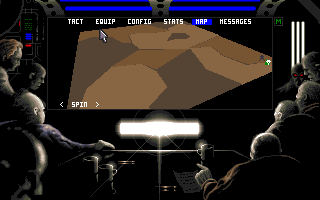
Armour-Geddon 2: Codename Hellfire builds upon its predecessor’s 3D combat/strategy formula by integrating deep resource management into its core loop. Players must mine essential materials, allocate supplies to research new vehicle designs, and maintain factory facilities that churn out the units needed on the battlefield. This triad of gathering, research, and production adds a layer of strategic planning seldom seen in action-oriented war games of its era.
(HEY YOU!! We hope you enjoy! We try not to run ads. So basically, this is a very expensive hobby running this site. Please consider joining us for updates, forums, and more. Network w/ us to make some cash or friends while retro gaming, and you can win some free retro games for posting. Okay, carry on 👍)
Pre-defined missions guide your campaign, tasking you with objectives such as capturing strategic outposts, escorting convoys laden with critical supplies, and neutralizing enemy installations. Each scenario feels purposeful, with mission briefings that clearly outline both short-term goals and overarching campaign stakes. The variety ensures that you’re never simply spamming tank rushes; you’ll have to think several steps ahead to allocate resources and time effectively.
Combat unfolds in real time within fully rendered 3D arenas. Unlike squad-based titles that offer full-group control, Armour-Geddon 2 requires you to switch between individual units on the fly. This design choice places emphasis on mastering each vehicle’s unique handling characteristics—from the lumbering yet armored tanks to the nimble hovercrafts and helicopters. While this segmented control can pose a steep learning curve, it also makes every successful maneuver feel personally earned.
For those lucky enough to own two Amiga machines and a null-modem cable, the game supports local cooperative play. A friend can pilot one unit while you command another, allowing for coordinated tactics and dynamic battlefield synergy. Whether you’re flanking an enemy base with hovercraft while your partner provides air cover in a helicopter, or one player focuses on resource gathering while the other handles frontline engagements, co-op mode breathes even more life into an already rich gameplay system.
Graphics
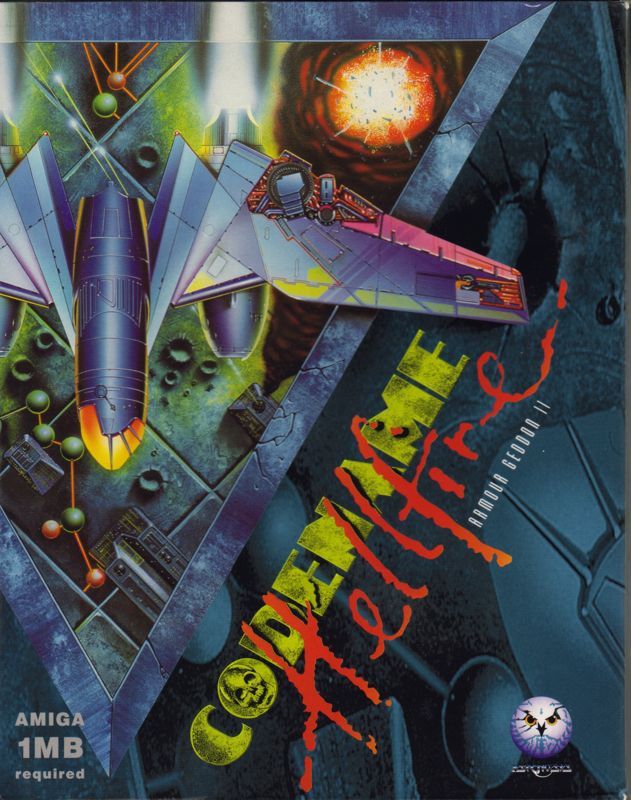
While running on mid-’90s hardware, Armour-Geddon 2’s graphics engine remains impressive for its time. The 3D models of tanks, helicopters, planes, and hovercraft are detailed, with distinct silhouettes and readable color schemes that help you quickly identify friend from foe in the heat of battle. Polygon counts may seem modest by modern standards, but Psygnosis’s art team compensated with smart texture usage and crisp animations.
Environmental detail is another strong suit. Desert wastelands, ruined cities, and fortified military compounds come alive through varied terrain textures, scattered debris, and dynamic lighting effects. As you switch units, you’ll notice shadows shift realistically, and explosions briefly illuminate the surrounding landscape—small touches that heighten immersion in an otherwise bleak, post-apocalyptic world.
Animation quality stands out in both combat and logistical phases. Vehicles shake convincingly when hit by enemy fire, and turret barrels recoil realistically upon firing. Mining rigs and factories maintain constant motion as they process resources or manufacture new units. This persistent sense of activity reinforces the idea that you’re managing an entire war effort, not just a handful of machines.
Admittedly, screen resolution and frame rate limitations on the Amiga can lead to occasional slowdown during large-scale engagements. However, these technical constraints rarely undermine the enjoyment. In fact, the subtle stuttering that occurs when dozens of units clash on-screen can amplify the tension, reminding you of the scale and chaos of modern mechanized warfare.
Story
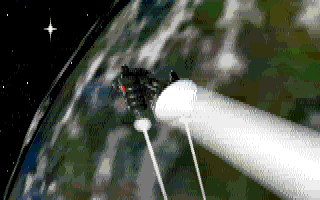
Armour-Geddon 2 thrusts players into a grim future where an apocalyptic satellite—codenamed Hellfire—threatens to obliterate Earth entirely. As commander of the surviving resistance forces, you’re humanity’s last hope to disable the satellite and preserve what remains of civilization. The stakes are never understated: every mission briefing underscores the catastrophic potential of failure.
Although the narrative is delivered primarily through text-based briefings and static images, Psygnosis’s writing does an admirable job of conveying urgency and desperation. Characters—ranging from hardened veterans to rookie drone pilots—provide color and occasional moral perspective. Their interactions, while sparing, ground the story in human terms, reminding you that every destroyed enemy bunker comes at the cost of countless lives on both sides.
Missions are tied cohesively into the overarching plot: capturing resource depots not only strengthens your war effort mechanically but also advances the storyline by granting access to critical data on Hellfire’s vulnerabilities. Side objectives, such as rescuing civilian scientists or securing experimental tech labs, flesh out the world and reward players with narrative payoffs in the form of upgraded weaponry or new intel.
While there are no cinematic cutscenes to rival big-budget console titles, Armour-Geddon 2’s minimalistic approach keeps the focus squarely on strategy and combat. The story serves as an effective backdrop rather than an all-consuming thread, allowing players who prioritize gameplay depth to find what they’re looking for without narrative distractions.
Overall Experience
Armour-Geddon 2: Codename Hellfire strikes a rare balance between strategic depth and action-packed combat. Its resource management mechanics give meaningful context to every engagement, ensuring that victories feel earned and setbacks carry real consequences. If you relish the challenge of building an industrial war machine from raw minerals and then personally piloting its deadliest vehicles, this game offers both granular control and sweeping strategic scope.
The learning curve may deter casual players, particularly those unaccustomed to switching between individual units mid-battle. However, once you master each vehicle’s capabilities—understanding when to deploy tanks for brute force assaults, helicopters for aerial reconnaissance, or hovercraft for amphibious strikes—the satisfaction is immense. Co-op mode further enhances longevity, providing an opportunity for dynamic teamwork that few Amiga titles of the era could match.
Visually, the game still holds up as a technical showcase for its platform. Its modest shortcomings—like intermittent frame drops—are easily forgiven given the breadth of content and level of immersion on offer. The story, while straightforward, provides enough motivation to keep you moving through a campaign packed with varied objectives and emergent tactical challenges.
For fans of real-time strategy blended seamlessly with direct vehicle control, Armour-Geddon 2: Codename Hellfire remains a standout entry in Psygnosis’s catalog. Its unique combination of mining, research, factory management, and intense 3D battles creates an experience that is both demanding and deeply rewarding. Whether you’re revisiting an Amiga classic or discovering it for the first time via an emulator, this sequel delivers a comprehensive, adrenaline-fueled war game experience.


Reviews
There are no reviews yet.