 Retro Replay Retro Replay gaming reviews, news, emulation, geek stuff and more!
Retro Replay Review
Gameplay
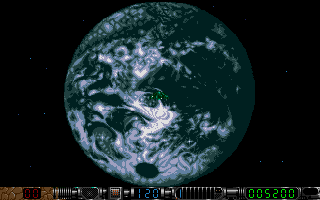
“Awesome” delivers a dynamic multi-stage experience that keeps players on their toes from start to finish. Each planet approach feels like a mini-mission, beginning with an overhead-view asteroid blasting stage. You’ll dodge and destroy rocks that fracture into smaller pieces, all while using a scanner that gives just enough directional hints to maintain tension without tipping you off completely.
(HEY YOU!! We hope you enjoy! We try not to run ads. So basically, this is a very expensive hobby running this site. Please consider joining us for updates, forums, and more. Network w/ us to make some cash or friends while retro gaming, and you can win some free retro games for posting. Okay, carry on 👍)
After clearing the rock field, the action shifts to a thrilling “into-the-screen” dogfight. Enemies dart back and forth in your crosshairs, and you must master both aim and timing to survive their unpredictable attack patterns. This section feels like a classic arcade shooter brought up to date, complete with satisfying weapon feedback and the constant need to conserve limited ammo and shields.
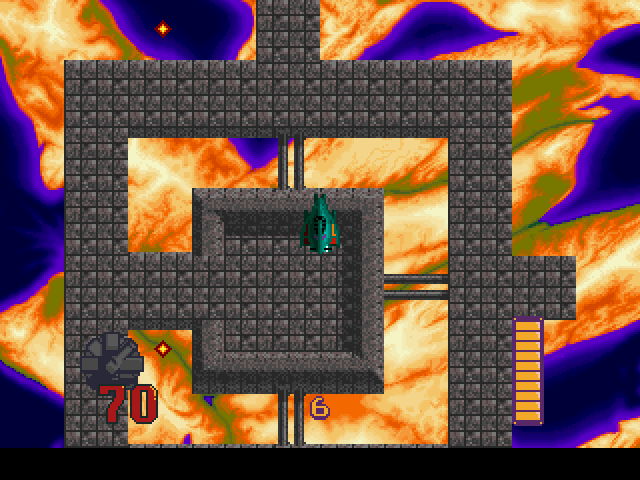
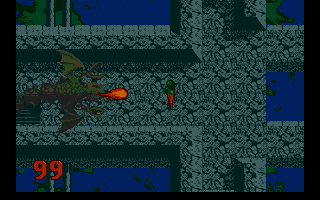
The final approach to each trading center is a race against time. Swapping to an overhead-on-foot perspective, you guide your pilot across hostile terrain. Unlike earlier stages, contact with enemy patrols doesn’t drain shields but eats into the precious clock. With only three attempts to make it before your ship’s systems give out, this segment blends tense platforming with strategic risk-management.
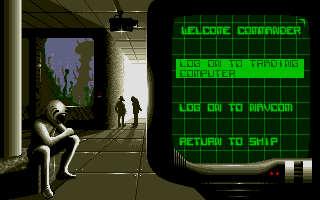
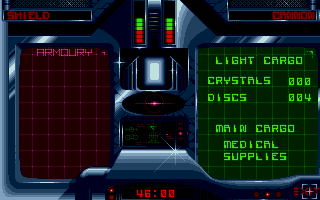
Once your feet touch down on the planet’s surface, the game shifts into its strategic trading phase. Here, you allocate funds to buy upgrades—everything from heavier armor plating to more powerful energy cannons. The balance between shields, firepower, and speed becomes critical as you plot your course through increasingly dangerous star systems.
Graphics
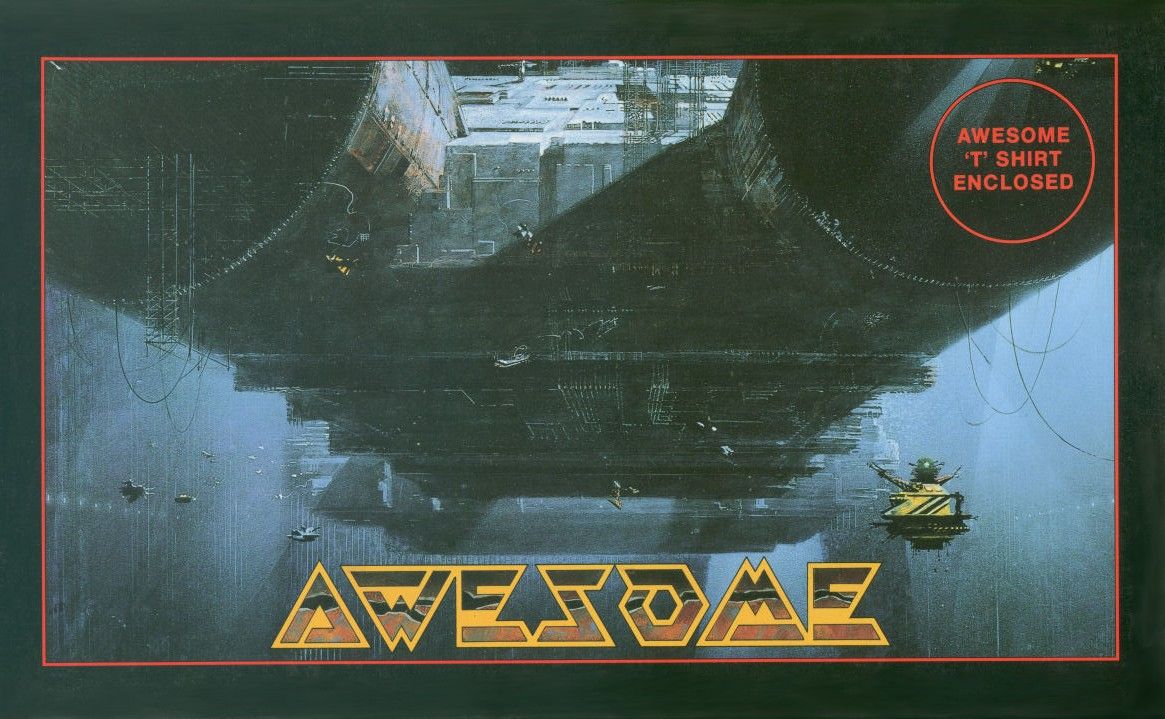
Graphically, “Awesome” captures the vastness and peril of deep space with a crisp, vibrant palette. The asteroid belts in the opening stages have a satisfying sense of mass and motion. Each fragment you blow up shatters convincingly, reflecting light in real time and highlighting the game’s robust particle effects.
The dogfight sequences impress with zooming camera angles and detailed starfield backdrops. Enemy fighters are distinct enough to read their attack patterns at a glance, yet they never feel copy-pasted. Explosions and laser blasts streak across the screen with a luminous flair that heightens every firefight.
On-foot segments offer a clean, top-down aesthetic that remains easy to navigate, even when under time pressure. Environmental details—rusted machinery, alien flora, and battered shipping containers—underscore the frontier feel of each settlement. The UI is minimal yet informative: life bars, countdown timers, and scanner readouts nest into the corners without overwhelming the action.
Finally, the trading screens and upgrade menus are sleek and intuitive. Icons for shields, weapons, and engines pop with color, making it easy to compare stats and plan purchases. Whether you’re on a high-resolution monitor or a smaller laptop, “Awesome” scales neatly to deliver consistent clarity.
Story
At its core, “Awesome” weaves a tale of survival against astronomical odds. You’re a scrappy captain trying to cross a hostile galaxy without the funds or firepower big corporations enjoy. This David-vs-Goliath premise gives every decision weight—every piece of wreckage you loot, every extra shield you buy, and every second you shave off your approach matters.
The narrative unfolds subtly through mission briefings and in-game chatter rather than long cut-scenes. This choice keeps the pace brisk, letting gameplay carry the emotional stakes. Hearing your co-pilot quip about dwindling credits or warning you of an incoming patrol sharpens the feeling that you’re truly operating on a shoestring budget.
Planetary locales come with their own little slice of backstory—rumors of pirate kings hoarding trade shipments, frontier towns built from salvaged wreckage, and environmental hazards unique to each world. These details don’t require reading a novel; they show up in mission prompts and the items available in local markets, enriching the overall tapestry without bogging down the action.
By the time you’ve charted multiple star systems, your ragtag fleet begins to feel like a living entity. The small victories—unlocking a stronger thruster, surviving a nail-biting sprint to the docking pad—add up to a quiet triumph. The galaxy may be harsh, but your growing legend is undeniable.
Overall Experience
“Awesome” strikes a careful balance between arcade thrills and strategic depth. Each of its core segments is polished enough to stand alone, yet the real magic arises from how they interlock. Blasting through asteroids feeds into your resource pool, which then factors into dogfights and foot races, and ultimately informs your trading decisions.
Difficulty ramps up steadily, so veteran space-shooter fans will find satisfying challenges without feeling overwhelmed from the get-go. Casual players, meanwhile, can ease in by prioritizing defensive upgrades or focusing on time-management during the on-foot sections. The game’s learning curve is generous, rewarding experimentation and planning.
Replay value is strong thanks to variable enemy patterns, shifting scanner readings, and a trading economy that reacts to your choices. No two runs feel identical, and minor tweaks to your purchasing strategy can yield vastly different experiences. Completing one galaxy feels rewarding, and charting new courses with alternative builds keeps the adventure feeling fresh.
For anyone craving a space-faring journey that weaves together high-octane action, tense platforming, and light strategy, “Awesome” is a compelling pick. It may not have the blockbuster budget of AAA franchises, but its tight gameplay loops, vivid presentation, and underdog narrative make it a must-try for fans of genre mash-ups and interstellar grit.


Reviews
There are no reviews yet.