 Retro Replay Retro Replay gaming reviews, news, emulation, geek stuff and more!
Retro Replay Review
Gameplay
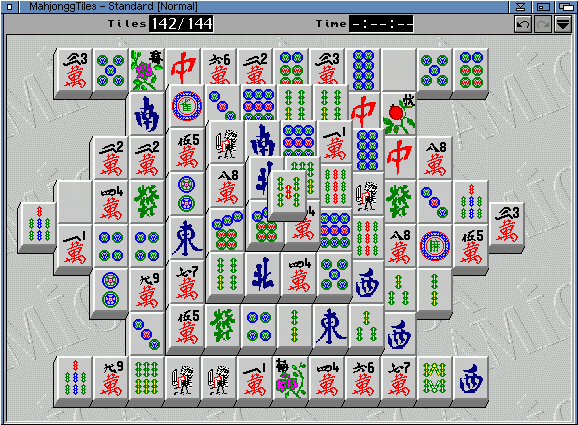
MahjonggTiles delivers the classic “mahjongg solitaire” experience with a modern, system-friendly twist. Right from the start, you’re presented with a familiar stacked tile layout—click two matching, free tiles to clear them, and work your way through intricately designed patterns. The core mechanics remain faithful to the Shanghai variants, ensuring a quick learning curve for veterans and a gentle introduction for newcomers.
(HEY YOU!! We hope you enjoy! We try not to run ads. So basically, this is a very expensive hobby running this site. Please consider joining us for updates, forums, and more. Network w/ us to make some cash or friends while retro gaming, and you can win some free retro games for posting. Okay, carry on 👍)
One standout feature is the robust undo and suggest-move system. If you make a misclick or get stuck midway, a single keypress will either rewind your last move or highlight a viable match. This safety net encourages experimentation and helps maintain momentum, especially in more complex tile arrangements. For players seeking a challenge, timed modes add pressure and pace, turning leisurely play into an adrenaline-fueled puzzle sprint.
MahjonggTiles also embraces flexibility with its tile history store. Every removed tile is logged in chronological order, letting you review past moves and even revert the board state to a specific point. This “web browser–style” history is unique in the genre and can be a lifesaver when hunting down that elusive match buried under layers of cleared bricks.
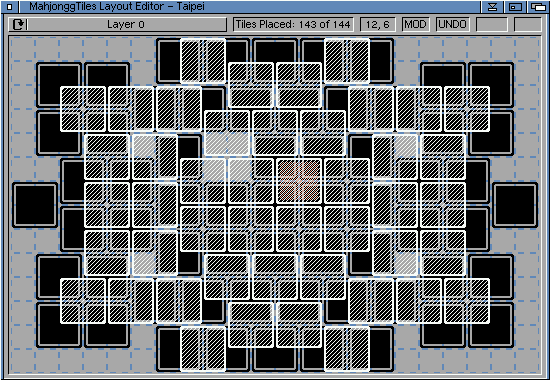
Beyond the essentials, the built-in level editor and a library of user-created layouts expand replay value exponentially. Whether you prefer the classic Dragon shape or crave avant-garde patterns, you can load, tweak, or build your own arrangements. Combined with the option to always show all available matches, the game caters equally to casual players who want a relaxed session and puzzle purists chasing ever-higher scores.
Graphics
Visually, MahjonggTiles excels in customization. You’re not stuck with a single tileset—instead, a variety of art styles are included out of the box, from traditional bamboo motifs to sleek, modern geometries. If none of these suit your taste, you can import or draw your own tileset, giving you full creative control over the look and feel of every brick.
Shadow direction and intensity can be defined with simple sliders, transforming a flat grid into a three-dimensional stack or a softly lit tableau. The window backdrop is equally flexible: choose a solid color, a textured pattern, or even a personal photo to set the mood. These visual tweaks not only make each play session feel fresh but also cater to different accessibility needs and screen environments.
The user interface is clean and intuitive, with unobtrusive icons for undo, suggest, and history on the side. Animations are smooth and responsive, even on modest hardware, reflecting the game’s lightweight design. Whether you’re running it on a high-resolution display or an older public-screen terminal, MahjonggTiles maintains clarity, performance, and style without breaking a sweat.
Overall, the graphical polish goes beyond aesthetics. It serves gameplay by clearly communicating tile availability and board state, ensuring you spend time thinking about your next match rather than squinting at ambiguous visuals. It’s a testament to how a well-designed interface can elevate a simple puzzle to a compelling daily diversion.
Story
As a solitaire puzzle title, MahjonggTiles doesn’t weave an elaborate narrative. Instead, its “story” unfolds through each board you tackle, the strategies you devise, and the patterns you clear. The absence of a defined plot allows you to focus entirely on the mental challenge, making every completed layout feel like a personal accomplishment.
The traditional Chinese iconography on the tiles—dragons, bamboo, characters—imbues each session with cultural resonance. Even without a storyline, you’ll appreciate the historical roots of mahjongg as you match symbols that have graced tabletops for centuries. There’s a quiet satisfaction in stripping away layers of tiles, almost like uncovering hidden treasures in a digital archeological dig.
For players who crave context, the bundled user guide offers a concise history of mahjongg solitaire. It covers the evolution from physical tiles to digital adaptations, giving you insight into why certain layouts persist and how modern variants like this one continue to innovate. It’s minimal yet informative, framing your play in a broader tradition of tile-matching games.
Ultimately, the “story” lives in your own engagement with the puzzles. Each arrangement can be seen as a standalone chapter, with rising tension as the stack grows and a triumphant climax when the final pair is removed. It’s storytelling by gameplay, relying on mechanics and design rather than cutscenes or dialogue.
Overall Experience
MahjonggTiles shines by marrying deep customization with classic puzzle mechanics. It strikes a balance between accessibility and complexity, making it suitable for a quick five-minute brain teaser or an extended strategic session. The undo, suggest, and tile history features ensure that frustration is minimal while learning opportunities abound.
Graphically, the game is both attractive and functional. The diverse tilesets, adjustable shadows, and changeable backdrops let you tailor the aesthetic to your preferences, while the well-optimized interface keeps performance silky smooth. Add to that the ability to import user-generated content, and you have a title with near-unlimited visual variety.
Although there’s no traditional storyline, the game’s flexibility and historical nods to mahjongg heritage create a context-rich environment for puzzle fans. Each board becomes a unique challenge, and the absence of “levels” or narrative constraints means players can jump in wherever they please or craft their own path with the editor.
For anyone seeking a polished, endlessly customizable solitaire experience, MahjonggTiles is a standout choice. It respects the origins of the genre while pushing its boundaries, delivering a puzzle game that feels both timeless and refreshingly modern. Whether you’re playing on a public kiosk or your personal PC, it’s a title you’ll return to time and again for satisfying tile-matching action.



Reviews
There are no reviews yet.