 Retro Replay Retro Replay gaming reviews, news, emulation, geek stuff and more!



Retro Replay Review
Gameplay
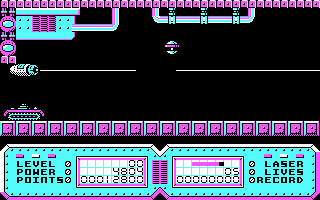
The Last Mission delivers a compelling blend of action and puzzle-solving through its distinctive two-part robot mechanic. Players pilot a tank-like robot that can split into a tracked body and a flying head, each offering unique movement capabilities. Mastering the timing and positioning of these two components is key: while the head can soar over obstacles for a limited time, the body remains the anchor, dictating your restart point if you fail during flight.
(HEY YOU!! We hope you enjoy! We try not to run ads. So basically, this is a very expensive hobby running this site. Please consider joining us for updates, forums, and more. Network w/ us to make some cash or friends while retro gaming, and you can win some free retro games for posting. Okay, carry on 👍)
Progressing through the game means navigating a sprawling network of screens, each filled with hazards, switches, and secret paths. Unlike smooth-scrolling titles, The Last Mission uses discrete screens that shift when you reach their edges, evoking classics like Underwurlde and Starquake. This screen-by-screen design heightens the sense of discovery: every new room may hide a shortcut, a power-up, or a cleverly concealed trap.
Challenge ramps up organically as you venture deeper into the complex. Enemies patrol corridors, energy barriers block key routes, and timed puzzles demand quick thinking. You’ll find yourself repeatedly breaking apart and rejoining the robot, figuring out the safest sequence to leap over lethal pits or deactivate a shielded door. The risk-and-reward loop is finely tuned, making each success feel well-earned.
Controls are responsive, though the learning curve can be steep—especially when coordinating split maneuvers under a ticking time limit. Veteran arcade players will appreciate the precision required, while newcomers may need patience to acclimate. In all, the gameplay strikes a satisfying balance between exploration, combat, and cerebral puzzle elements.
Graphics
Graphically, The Last Mission embraces the aesthetic of late-’80s arcade hardware with richly detailed pixel art and a bold color palette. Each screen is hand-crafted, featuring industrial corridors, deep caverns, and futuristic machinery. Subtle animations—like the head’s propellers whirring or sparks flying off damaged walls—add life to the environments without overwhelming the hardware.
Character sprites are small but distinct, allowing you to instantly differentiate between hazards, pickups, and background elements. The robot’s two parts are clearly defined, ensuring you never lose track of your body or head during split maneuvers. Occasional sprite flicker on stages with heavy on-screen action is part of its retro charm rather than a detriment.
The level design makes excellent use of color contrast: danger zones glow in ominous reds and oranges, while safe platforms and energy pickups often appear in cool blues and greens. This visual language guides you through the labyrinthine map, helping you memorize routes and mark potential secrets. Overall, the graphics strike an ideal balance between functional clarity and atmospheric flair.
While modern gamers may find some textures and animations rudimentary by contemporary standards, the intentional retro stylings foster a sense of nostalgia. The Last Mission’s visuals are a love letter to its inspirations, delivering character and atmosphere in every screen transition.
Story
Though light on narrative exposition, The Last Mission sets the stage with a classic sci-fi premise: you are the final hope to deactivate a rogue command unit threatening to annihilate your homeworld. The sprawling underground complex you explore was once a research facility, now corrupted by malfunctioning defenses and rogue automatons.
Story elements are conveyed mainly through environmental cues—abandoned data terminals, flickering console screens, and the occasional distress beacon. These fragments piece together a tale of hubris and calamity, urging the player onward with a sense of urgency. Every new wing of the base reveals more about the failed experiment that birthed your adversaries.
The minimalistic narrative complements the gameplay rather than overshadowing it. There are no lengthy cutscenes or dialogue trees; instead, the plot unfolds through exploration and player discovery. This approach keeps the pace brisk and ensures that the focus remains on mastering the robot’s unique mechanics.
For players who enjoy lore hunting, The Last Mission rewards thorough exploration. Hidden rooms sometimes contain logs or visual storytelling that deepen the mystery behind the facility’s downfall. While not a blockbuster saga, the game’s storyline provides just enough context to make each screen feel purposeful.
Overall Experience
The Last Mission offers a memorable, tightly crafted retro adventure that will resonate with fans of old-school arcade puzzles and action-platformers. Its unique robot-splitting mechanic sets it apart from contemporaries, turning every screen into a mini-challenge that tests both dexterity and strategy. The sense of accomplishment when you clear a particularly tricky section is genuine and gratifying.
Difficulty is uncompromising but fair, with a pattern-recognition emphasis that rewards repeated playthroughs. The large map encourages both methodical exploration and daring leaps of faith. While the lack of a modern checkpoint system can be punishing, it also fuels a classic arcade adrenaline—knowing that a single misstep can send you back to your last regroup point keeps the tension high.
Sound design is functional and evocative, with bleeps and boops that echo the era of 8-bit arcades. There’s no full soundtrack, but the minimalist effects blend seamlessly with the visual style, creating an immersive retro ambiance. For players seeking a nostalgic throwback with fresh puzzle twists, The Last Mission delivers in spades.
In conclusion, The Last Mission stands as a commendable homage to its inspirations while forging its own identity. Its blend of exploration, split-robot puzzle-solving, and arcade intensity makes it a compelling pick for anyone looking to recapture the thrill of discovering new secrets around every corner. Prepare for a challenge—but also for one of the most inventive retro experiences you’ll find today.


Reviews
There are no reviews yet.