 Retro Replay Retro Replay gaming reviews, news, emulation, geek stuff and more!
Retro Replay Review
Gameplay
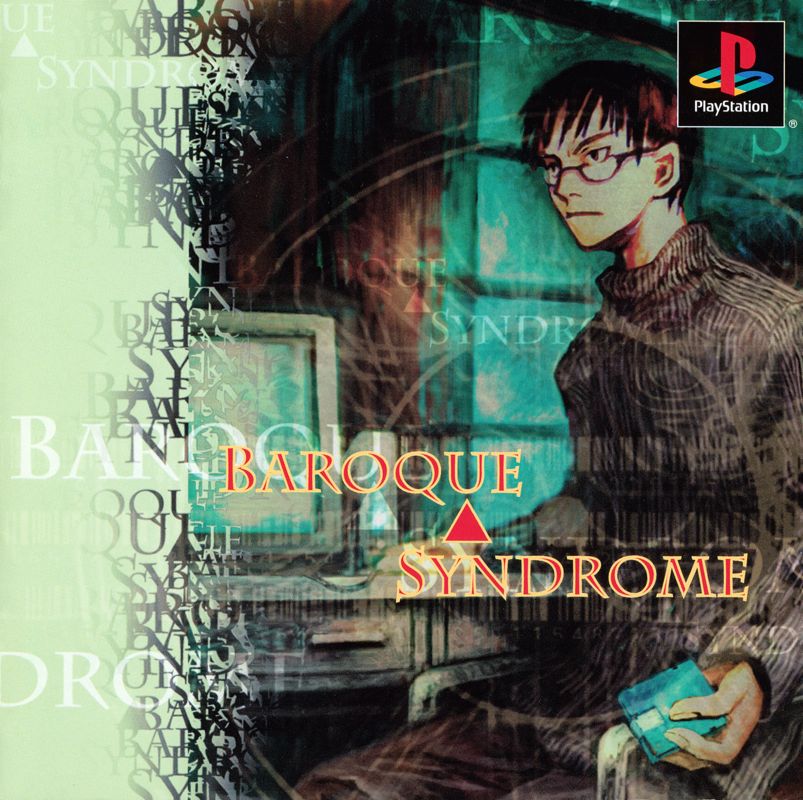
Baroque Syndrome presents itself as an interactive novel rather than a traditional RPG, emphasizing narrative over action. You guide Kitsune Kanazawa through a series of supernatural crime scenes, reading scrolling text and examining still images. At key junctures, the game pauses and offers you a binary or multi-option choice that steers the plot in different directions. These decisions ultimately influence character relationships and unlock varied story paths, lending the experience replay value for completionists or those curious about every nuance of the plot.
(HEY YOU!! We hope you enjoy! We try not to run ads. So basically, this is a very expensive hobby running this site. Please consider joining us for updates, forums, and more. Network w/ us to make some cash or friends while retro gaming, and you can win some free retro games for posting. Okay, carry on 👍)
While purists craving deep combat systems or complex exploration mechanics might find the minimal interactivity limiting, the trade-off here is a tight focus on storytelling. Instead of grinding stats or managing inventories, you devote your attention fully to the narrative beats and dialogue. If you relish branching narratives, moral dilemmas, and character-driven mysteries—as opposed to click-fest battle sequences—Baroque Syndrome delivers a concise, choice-based structure that feels like a well-paced visual novel.
The pacing is deliberate and methodical, reflecting the tone of a murder investigation. Each choice panel is an opportunity to gather new clues, shape Kitsune’s personality, or trigger flashbacks that foreshadow the cataclysmic events of the original Baroque. The absence of time limits or real-time decisions means you can ponder each option at leisure, but it also means the game demands patience from players used to constant stimuli. In this sense, it caters more to aficionados of literary gaming experiences than speed-run enthusiasts.
Graphics
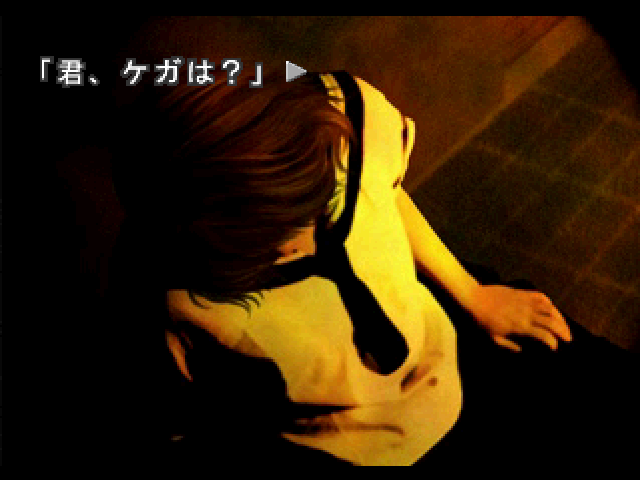
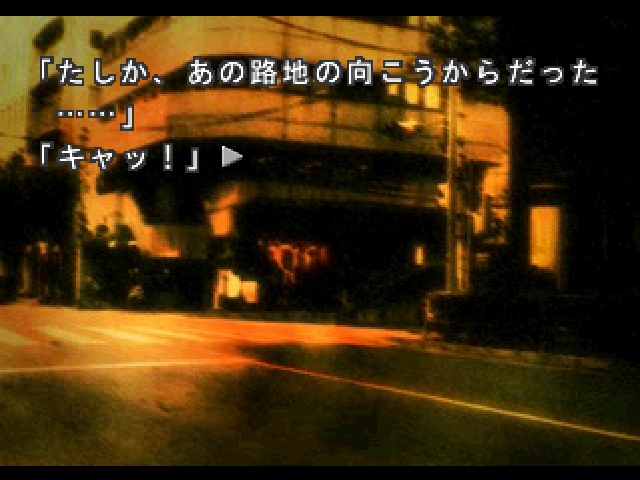
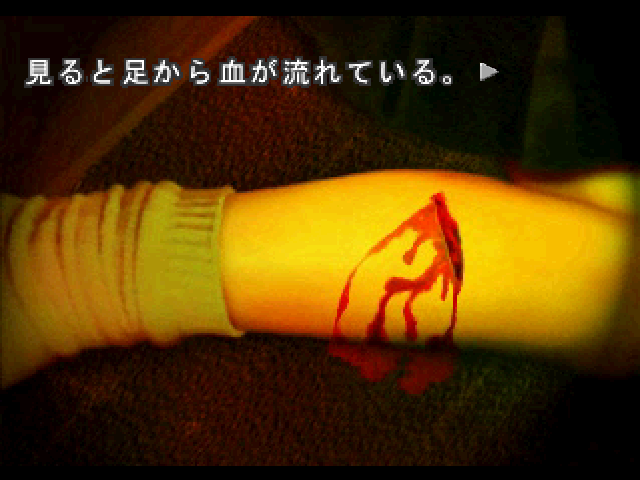
Visually, Baroque Syndrome relies on richly detailed 2D still images of characters and environments. The game’s art style combines stark linework, muted color palettes, and atmospheric shading to evoke the dread of an impending apocalypse. Each scene—from derelict city streets to dimly lit interrogation rooms—conveys a sense of isolation that complements the story’s dark undertones. Though there’s no animated cutscenes or dynamic camera movement, the static illustrations are imbued with enough mood and texture to keep you immersed.
Character portraits are where the emotional weight truly shines. A close-up of Kitsune’s contemplative face as he sifts through evidence or the haunted gaze of an NPC on the brink of confession adds gravitas to every dialogue exchange. Background art often stays consistent across multiple text blocks, but subtle changes—like a shifting shadow or the flicker of neon signage—underscore narrative tension. This economical use of art assets reflects the game’s indie roots, yet it never feels cheap or repetitive.
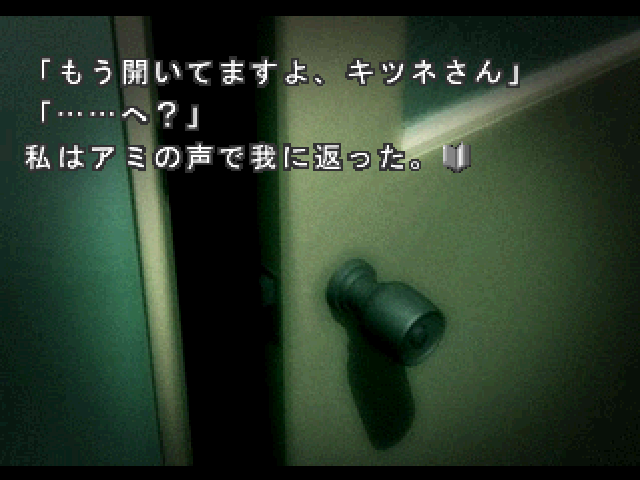
Dialogue boxes and UI elements embrace a minimalistic design: clean fonts, translucent panels, and intuitive button prompts. The lack of flashy menus or ornamental borders keeps your focus squarely on the text and images. Sound design—while not strictly graphical—is worth a mention here, as understated ambient effects and sporadic musical cues enhance the visual mood without overwhelming the senses. In sum, Baroque Syndrome proves that strong art direction can offset the absence of high-polish animations.
Story
As a prequel to the cult classic Baroque, this title sets the stage for the apocalyptic meltdown that devastates the world with relentless heat. You step into the shoes of Kitsune Kanazawa, a Japanese college student caught up in a series of bizarre, supernatural murders. Each crime scene you investigate reveals cryptic symbols and allusions to otherworldly forces—seeds of chaos that will blossom in the original game’s catastrophic finale.
The narrative excels at building tension through a measured reveal of information. Early on, you might think you’re simply solving grisly homicides, but soon you encounter prophecy-laden diaries and conspiratorial figures hinting at a global phenomenon. These strands gradually intertwine, introducing characters—both allies and antagonists—who will later influence the fate of humanity. The branching structure allows you to explore multiple angles of the mystery, though some threads lead to dead-ends or tragic outcomes that underscore the fragility of hope in Baroque’s universe.
Dialogue is smartly written, balancing cryptic exposition with grounded emotional beats. Kitsune himself is a likable protagonist—curious, empathetic, and occasionally haunted by self-doubt. Side characters each harbor their own motivations and secrets, and discovering their backstories feels rewarding. However, because of the interactive-novel format, some exposition dumps are inevitable, and the game occasionally relies on lengthy text walls to convey lore. Players who savor dense, atmospheric writing will appreciate this, while others might wish for more visual storytelling.
Overall Experience
Baroque Syndrome offers a compact, mood-driven journey into the pre-apocalyptic events that shattered the world of the original Baroque. Its strengths lie in its narrative focus, atmospheric art direction, and choice-driven structure that encourages multiple playthroughs. If you’re intrigued by supernatural mysteries, occult undercurrents, and branching story paths, this interactive novel will hold your interest from the first clue to the final revelation.
That said, the game is unapologetically niche. Those expecting traditional RPG mechanics—such as exploration, combat, or character customization—may find the limited interactivity underwhelming. Rather than a full-fledged gaming experience, consider Baroque Syndrome an engrossing novella with visual accompaniment. Its brevity (often completed within a few hours) may disappoint players seeking lengthy campaigns, but it also means there’s little filler: every page, every image, and every decision feels purposeful.
Ultimately, Baroque Syndrome stands as a testament to storytelling in games, demonstrating how a focused narrative and evocative artwork can compensate for the lack of flashy mechanics. It’s best suited for fans of the original Baroque who want to deepen their understanding of the world’s descent into chaos, as well as newcomers drawn to interactive fiction with a dark, apocalyptic flavor. For potential buyers craving a tight, atmospheric mystery rather than an action-packed romp, Baroque Syndrome is a unique gem well worth exploring.


Reviews
There are no reviews yet.