 Retro Replay Retro Replay gaming reviews, news, emulation, geek stuff and more!



Retro Replay Review
Gameplay
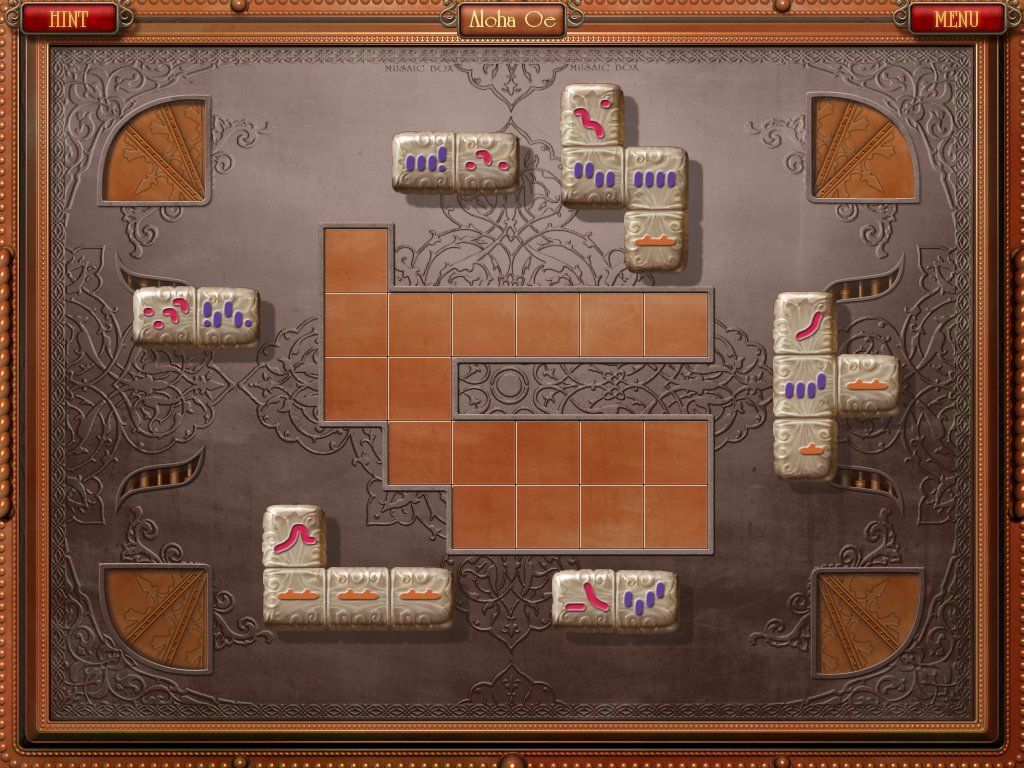
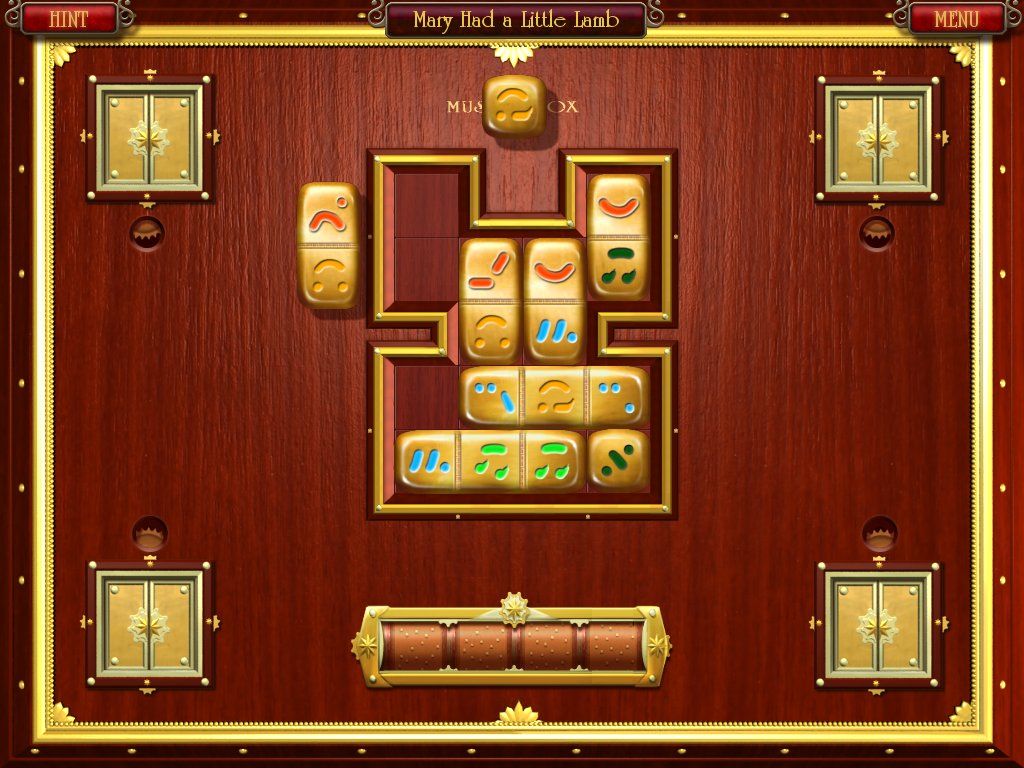
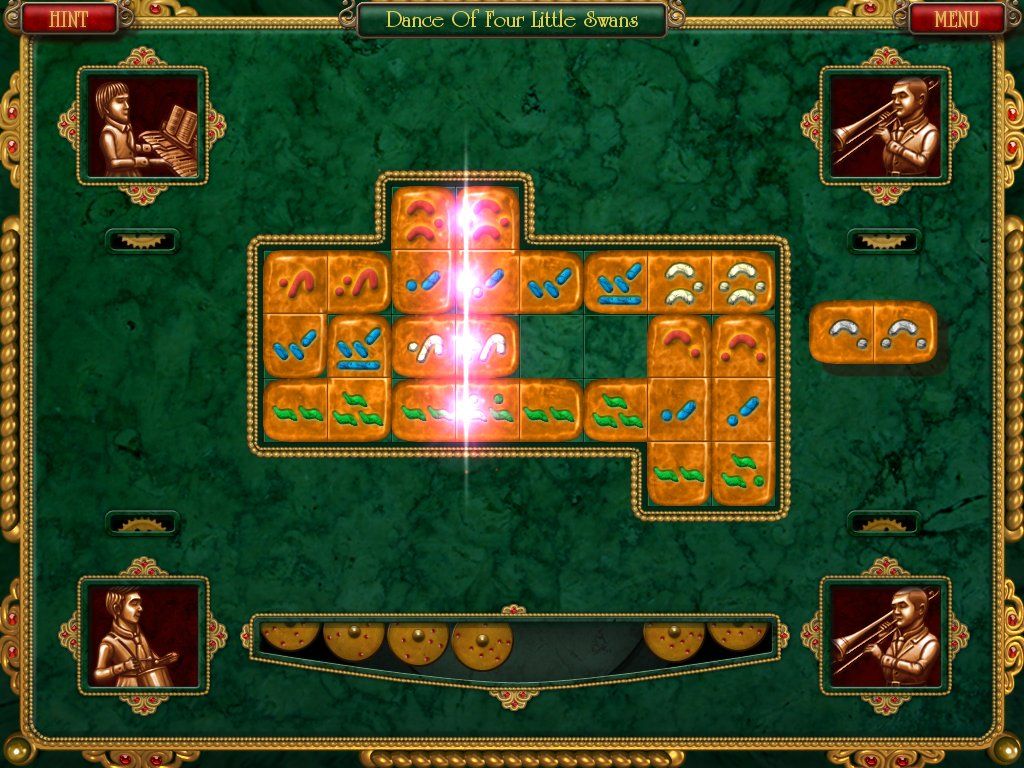
Musaic Box weaves together classic block-dropping mechanics with a rich musical layer, elevating the puzzle experience beyond mere shape-fitting. Players are presented with a central grid of varying dimensions and a set of tetromino pieces, each adorned with symbols and colors denoting different instruments. The core challenge lies in placing these pieces so that all sections align to play the full melody, instrument by instrument, exactly in sequence.
(HEY YOU!! We hope you enjoy! We try not to run ads. So basically, this is a very expensive hobby running this site. Please consider joining us for updates, forums, and more. Network w/ us to make some cash or friends while retro gaming, and you can win some free retro games for posting. Okay, carry on 👍)
Each tetromino block doubles as a musical sample: clicking on it triggers a short clip of the arrangement, guiding you toward the correct composition. As you rotate and shift pieces, the grid columns light up with the melody roll at the bottom, showing the correct order of blocks. When two blocks with the same instrument overlap, they turn black, serving as a visual cue of a conflict. Some levels ups the ante by removing the melody rolls altogether, forcing you to rely purely on auditory memory and pattern recognition.
Beyond the puzzles themselves, Musaic Box layers exploration into its gameplay loop. The grid outlines are hidden throughout intricately designed rooms, scattered over surfaces and in corners, requiring keen observation to discover. Once an outline is collected and copied into the in-game songbook, it unlocks a new musical puzzle. A map in the corner of the screen tracks the outlines remaining per room, offering a clear sense of progression while encouraging thorough investigation.
Graphics
The visual design of Musaic Box is minimalist yet vibrant, emphasizing clarity over clutter. The central grid is crisply rendered, and each tetromino piece stands out with bold, contrasting colors. Instrument symbols—whether a trumpet, cello, or piano—are neatly integrated into the shapes, ensuring that players can quickly match color to sound without second-guessing.
Rooms are rendered with subtle textures and ambient lighting to evoke a sense of calm curiosity. The scattered grid outlines blend seamlessly into the environment, painted on walls or etched into furniture, making their discovery feel like a rewarding treasure hunt rather than an arbitrary task. Background details are kept muted so they don’t distract from the core puzzle interface, but they still contribute to an immersive atmosphere.
Animations in Musaic Box are smooth and purposeful. Pieces snap into place with a satisfying click, and the transformation of overlapping blocks into blacked-out conflicts is immediate and noticeable. The melody roll at the bottom of the screen pulses in time with the music, adding a rhythmic visual counterpart to the auditory experience. Overall, the graphics are functional, elegant, and tailored to support the game’s emphasis on both puzzles and music.
Story
While Musaic Box does not boast a sprawling narrative, it offers a subtle storyline that unfolds as you progress through each room. You begin as a lone investigator of forgotten melodies, tasked with piecing together shattered musical themes. Each completed puzzle unlocks a new section of the ancient Songbook, revealing snippets of lore about a long-lost composer and the mysterious “Musaic” instrument he created.
The progression from one room to the next mimics the structure of a musical suite, with each environment representing a different movement. This framing device gives purpose to the puzzle-solving, transforming what could be a series of disconnected brain teasers into a cohesive journey. Floating notes and musical motifs occasionally drift through doorways, reminding you of the overarching goal: to restore harmony to a fragmented world of sound.
Fragments of parchment, letters, and sketches found alongside the grid outlines add further context, hinting at the composer’s eccentric personality and his devotion to merging geometry with melody. Though the story is light, it’s delivered with enough charm and mystery that you’ll be motivated to unlock every puzzle and unearth every hidden outline just to learn more about the mythic Musaic Box itself.
Overall Experience
Musaic Box strikes a delightful balance between mental challenge and musical satisfaction. Fans of spatial puzzles will appreciate the depth of the tetromino mechanics, while music enthusiasts will be drawn to the layer of auditory puzzle-solving. The absence of an explicit timer or strict move limits invites a relaxed yet focused playstyle, letting you experiment freely until the piece clicks—both literally and figuratively.
The pacing is well-judged: early levels introduce mechanics and help you internalize melody rolls, while later puzzles demand sharper listening skills and more creative spatial reasoning. The hunt for hidden outlines adds an extra dimension, encouraging exploration and rewarding attention to detail with new challenges. As rooms unlock, the sense of accomplishment compounds, making each puzzle feel like a vital step toward a grand musical finale.
While Musaic Box may not appeal to those seeking fast-paced action or a deep narrative-driven adventure, it shines as a thoughtful, serene puzzle game where music is both the medium and the prize. Its clean graphics, intuitive controls, and harmonious integration of sound and shape combine into a unique package. For anyone looking to experience puzzles in perfect sync with melody, Musaic Box is a tune you won’t soon forget.


Reviews
There are no reviews yet.