 Retro Replay Retro Replay gaming reviews, news, emulation, geek stuff and more!


Retro Replay Review
Gameplay
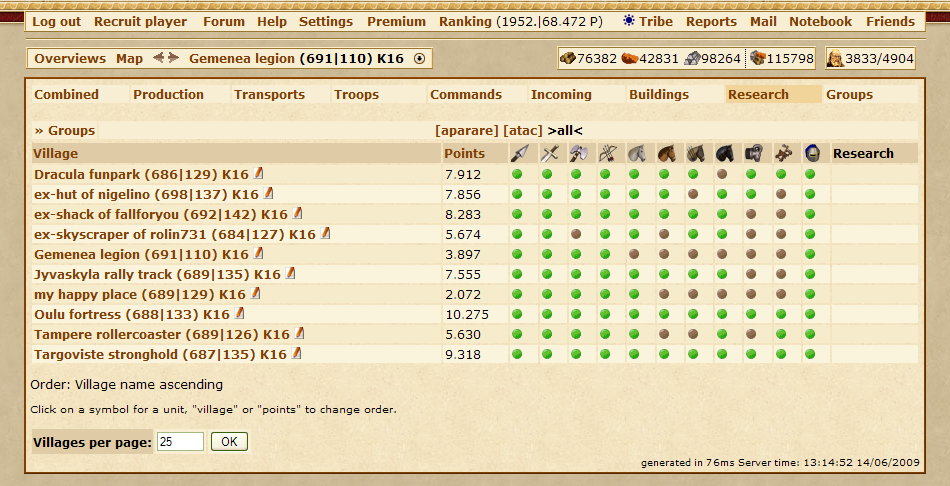
Tribal Wars excels in offering a layered strategic experience, where players balance the intricate development of individual villages with the broader tactics of world map conquests. Starting as the chief of a humble settlement, you must manage the construction of key buildings—such as resource fields, warehouses, and farms—each upgrade unlocking higher production or greater troop support. This city-building facet challenges players to plan upgrades in an optimal sequence, ensuring that wood, clay, and iron production scales smoothly alongside population growth and army needs.
(HEY YOU!! We hope you enjoy! We try not to run ads. So basically, this is a very expensive hobby running this site. Please consider joining us for updates, forums, and more. Network w/ us to make some cash or friends while retro gaming, and you can win some free retro games for posting. Okay, carry on 👍)
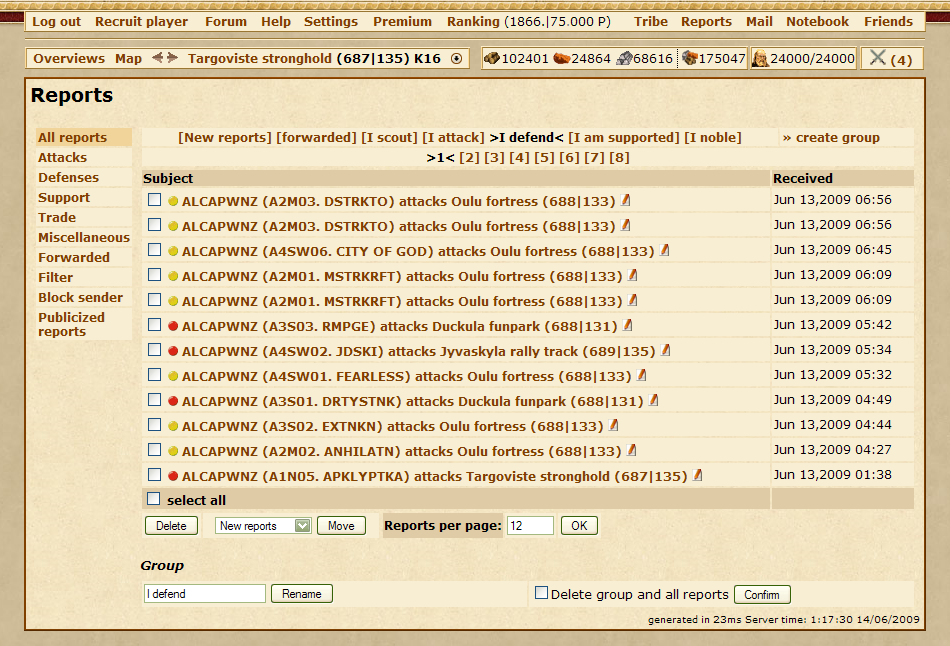
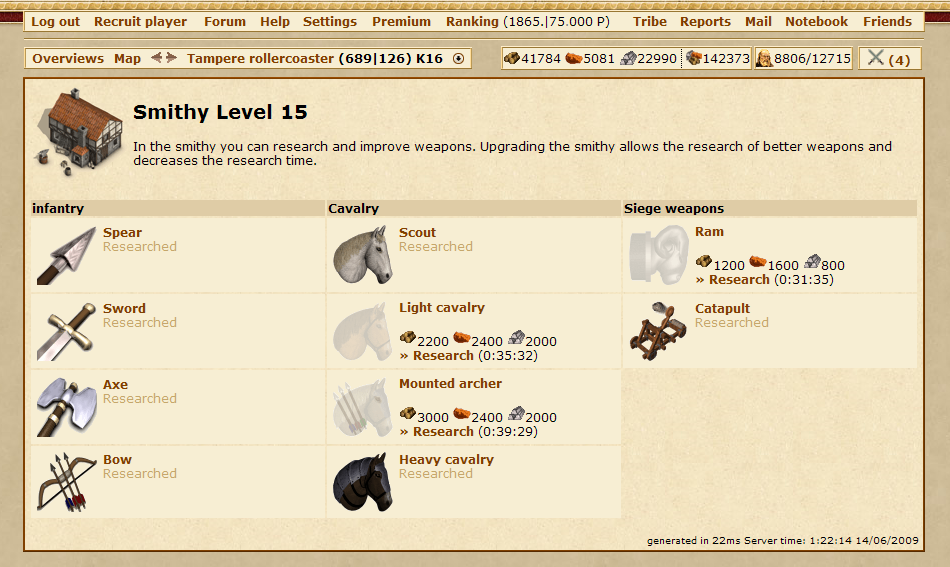
Beyond village micromanagement, the heart of Tribal Wars lies in coordinating armies and forging alliances across a persistent game world. Scouts, spearmen, cavalry, and siege engines each possess unique offense, defense, speed, and carrying capacities, demanding that you select the right unit mix for raiding abandoned villages or defending against a coordinated coalition. Timing becomes crucial: since orders execute and complete even while you’re offline, precise calculation of march durations allows allied players to synchronize multi-pronged assaults or set up deceptive sorties that catch opponents off-guard.
Diplomacy and trade weave additional strategic threads into the gameplay tapestry. An integrated messaging system lets you negotiate resource exchanges, tribute pacts, or non-aggression treaties, while the tribe mechanics empower you to recruit members, delegate ranks, and define diplomatic stances toward rival groups. Conquering neutral or enemy villages via the nobleman unit adds a long-term expansion strategy: this high-cost, fragile hero can gradually lower village loyalty, culminating in full takeover but sacrificing himself in the process. Over time, you’ll find yourself balancing resource pipelines, military logistics, and inter-tribe politics in a dynamic, ever-evolving theater of war.
Graphics
As a browser-based title, Tribal Wars takes a minimalist but functional approach to visuals. The village screens feature a charming day-night cycle that transitions seamlessly according to server time, lending a sense of immersion without impacting core mechanics. Though these aesthetic touches are purely cosmetic, they help differentiate between dawn raids and midnight skirmishes, adding subtle ambiance to otherwise straightforward tile-based layouts.
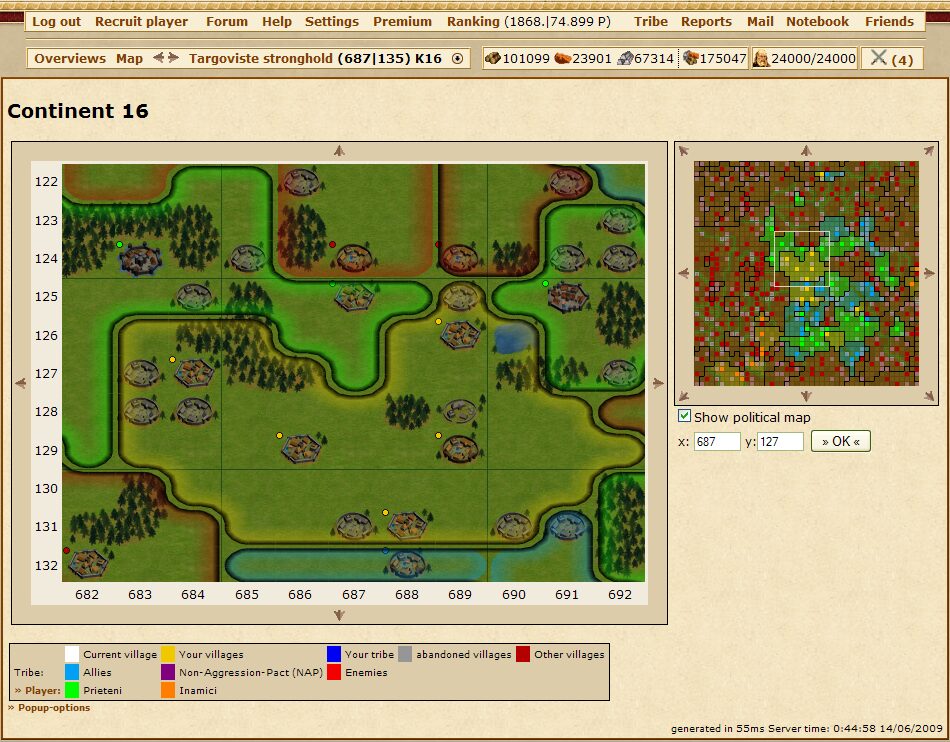
The world map view offers a clear, grid-based representation of villages, tribes, and unexplored regions. Color-coded borders and tribe flags provide instant visual cues about friend or foe territories, preventing confusion during large-scale coordination. While unit icons and building graphics remain simple line art, they load quickly even on slower connections, ensuring that gameplay stays smooth and responsive.
For players seeking more polish, the premium account delivers interface enhancements such as resource forecasts, production graphs, and streamlined unit-dispatch menus. These additions not only make micromanagement more efficient but also lend a modern sheen to the otherwise utilitarian UI. Overall, Tribal Wars’ graphics may not match high-end desktop titles, but they strike an ideal balance between clarity, performance, and thematic immersion in a browser environment.
Story
Tribal Wars does not follow a scripted narrative or traditional campaign, but it forges its story organically through player interactions. From the moment you found your first village, each alliance treaty signed, siege laid, or betrayal encountered contributes to an ever-unfolding saga. The game thrives on the emergent tales of underdog tribes rallying for vengeance, diplomatic negotiations gone awry, and epic coalition battles that reshape the map.
Every world develops its own lore as veteran players weave tales of legendary generals and storied provinces. Community forums and in-game messaging amplify these stories, allowing clans to chronicle their rise to power or share war diaries that detail precisely timed attacks and cunning defensive feints. This player-driven narrative component transforms the static game world into a living chronicle of ambition, loyalty, and rivalry.
Even without a preset storyline, Tribal Wars’ strategic depth and social dynamics ensure that no two campaigns feel alike. You might begin your saga as a lone wolf raider, pillaging unguarded homesteads for vital resources, only to be recruited into a grand alliance bent on conquering the region. Such fluidity between diplomacy and warfare crafts a personalized story with every session, sustaining engagement and forging memorable war-tales to recount with allies and enemies alike.
Overall Experience
Tribal Wars offers a compelling blend of village management, military strategy, and social interaction that keeps players invested for months or even years. The persistent world ensures that every decision—whether upgrading a warehouse or dispatching a reinforcement—has lasting consequences, making victories sweeter and defeats truly motivating. Its free-to-play model allows newcomers to learn the ropes without financial commitment, while the premium tier provides quality-of-life improvements for those craving smoother control.
The learning curve can be steep, particularly when mastering the precise timing required for coordinated assaults or colony expansions. However, the active community and wealth of online guides help bridge that gap, and rookie-friendly tribes frequently offer mentorship to fledgling chiefs. As you grow in skill and influence, scaling your operations across multiple villages becomes an addictive puzzle of resource juggling, alliance politics, and military logistics.
Ultimately, Tribal Wars shines as a sandbox of strategic possibility rather than a linear gaming experience. If you relish the challenge of building an empire from scratch, forging alliances, and executing meticulously timed campaigns—while forging your own stories along the way—this browser-based classic remains one of the most enduring and satisfying strategy games available.



Reviews
There are no reviews yet.