 Retro Replay Retro Replay gaming reviews, news, emulation, geek stuff and more!
Retro Replay Review
Gameplay
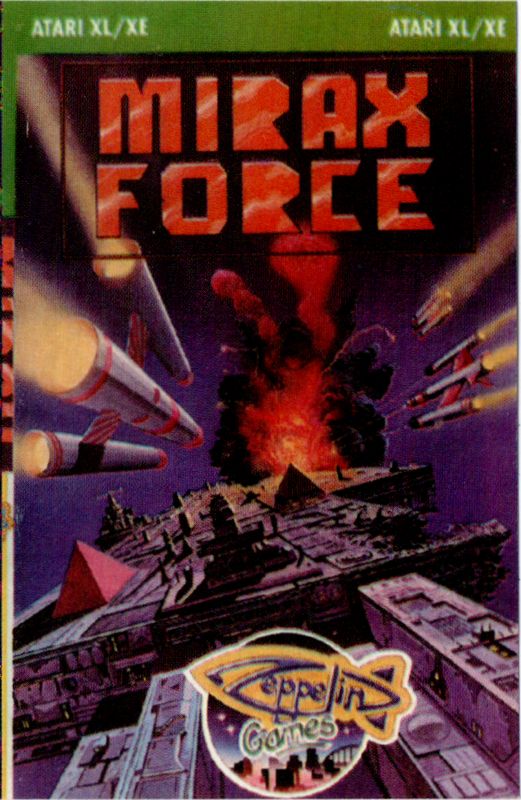
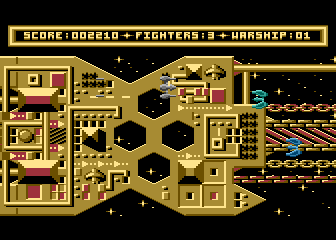
Mirax Force wears its inspiration from classic shooters like Uridium on its sleeve, delivering a fast-paced, side-scrolling experience that demands both precision and timing. Players pilot the sleek Star Quest vessel over the cavernous decks of a massive enemy mothership, navigating tight corridors while evading gun bays that open fire without mercy. The controls are responsive, allowing for sharp turns and quick strafing maneuvers, which become vital the deeper you venture into hostile territory.
(HEY YOU!! We hope you enjoy! We try not to run ads. So basically, this is a very expensive hobby running this site. Please consider joining us for updates, forums, and more. Network w/ us to make some cash or friends while retro gaming, and you can win some free retro games for posting. Okay, carry on 👍)
Each level is segmented into bays and circuits, offering a sense of progression as you methodically dismantle the mothership’s defenses. The challenge ramps up naturally: early sections introduce basic turrets and pursuing fighters, while later bays feature overlapping gun emplacements and more aggressive enemy AI. Destruction of each bay contributes toward unlocking the path to the Main Reactor, encouraging strategic targeting and risk assessment—do you go for the nearest turret or attempt to clear a bank of shielded circuits?
Enemy fighter ships provide a constant aerial threat, swooping in from off-screen with split-second attacks that force you to juggle offense and defense. Surviving these dogfights often hinges on your ability to use the ship’s momentum to your advantage, particularly when escaping a tight spot beneath a barrage of flak. The tension peaks when you realize that every hit not only drains your shields but also changes the background color—an ingenious visual cue that heightens awareness of your remaining lives.
Furthermore, Mirax Force spices up its play sessions with sampled speech, a feat especially impressive given its era. The programmer’s own voice punctuates key moments, such as mission starts or dire warnings, adding personality to a genre that typically relied on bare-bones text. This aural flair, combined with tight shooting mechanics and dynamic level layouts, cements Mirax Force as a memorable overhead shooter that both veterans of the genre and newcomers can appreciate.
Graphics
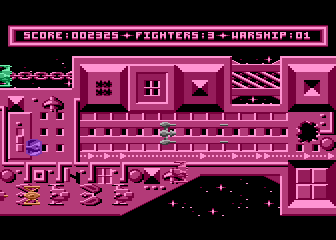
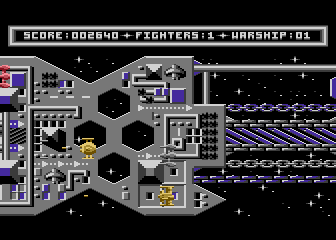
Graphically, Mirax Force capitalizes on the hardware’s capabilities to present a colorful and detailed environment. The mothership backdrop is richly textured with panels, vents, and conduits that hint at the scale of the alien war machine. Sprite work for the Star Quest and enemy craft is crisp, with distinct color palettes that help players identify friend from foe at a glance—even in the heat of a firefight.
One standout feature is the background color shift that occurs each time you lose a life. This not only serves as an innovative life-tracker but also keeps the visual palette fresh and engaging throughout repeated attempts. From deep purples to blazing oranges, the shifting hues create a dynamic atmosphere, reminding you of the stakes each time you warp back into action.
The sampled speech, though rudimentary by modern standards, showcases impressive digital sampling for its time. Brief audio clips such as “Mirax Force, engage!” or “Hull breach detected!” deliver both functional alerts and a dash of personality. These voice snippets cut through the electronic hum, reinforcing the feeling that you’re the lone pilot in a relentless battle for survival.
Explosions and laser blasts are accompanied by simple yet effective particle effects, lending weight to every successful hit. While the frame rate remains steady even during intense exchanges, occasional flickering may occur when multiple sprites overlap—an expected quirk of retro hardware that does little to detract from the overall visual appeal. In all, Mirax Force’s graphics strike a fine balance between technical prowess and nostalgic charm.
Story
Mirax Force doesn’t layer on an epic narrative, but what it lacks in plot sophistication it makes up for in concise, mission-driven stakes. You assume the role of a starfighter pilot within the elite Mirax Force attack team, a unit entrusted with the defense of your home planet against a seemingly unstoppable alien armada. This setup instantly places you at the heart of the action, giving purpose to each strafing run and turret demolition.
The progression through the mothership’s bays unfolds like a surgical strike: you’re not brawling aimlessly through space but executing a targeted assault to disrupt the enemy’s power grid. This focused structure bolsters immersion—every destroyed circuit brings you one step closer to crippling the Main Reactor and turning the tide of war. Brief on-screen messages and sampled voice lines underscore these objectives without breaking the game’s rapid pace.
Despite its minimalist approach, the game’s narrative succeeds in motivating repeated plays. The changing backgrounds symbolize the rising tension as systems fail and alarms echo across the vessel. By the time you reach the final reactor core, the stakes feel palpably higher, transforming what could be a rote shooter into a gripping dash against the clock and enemy reinforcements.
For players who crave deep lore or branching storylines, Mirax Force might seem straightforward—but its direct storytelling is precisely what keeps the focus on high-octane action. If you relish the thrill of infiltration missions and the satisfaction of dismantling a fortress from within, this streamlined tale will resonate long after the credits roll.
Overall Experience
Mirax Force combines tight controls, dynamic level design, and inventive audio-visual touches to deliver a shooter experience that stands the test of time. Its homage to Uridium is clear, yet it carves out its own identity through sampled speech, lively color shifts, and a relentless difficulty curve that rewards practice and memorization. Each foray onto the mothership feels fresh, as you adapt your strategy to increasingly complex gunbay arrangements and dogfighting patterns.
The game’s learning curve is steep but fair. Early levels serve as a rigorous training ground, teaching you to balance offensive bursts with evasive rolls. By the time you face the Main Reactor’s final defenses, you’ll have developed muscle memory for navigating corridors, prioritizing targets, and reading enemy spawn patterns. The sense of achievement when you finally topple the reactor is immense—a testament to the game’s well-crafted challenge.
Moreover, the nostalgic aesthetic—pixel art merged with rudimentary voice samples—imbues the experience with charm. It’s a vivid reminder of an era when developers squeezed every ounce of creativity from limited hardware, resulting in memorable quirks like the programmer’s own voice guiding your mission. These details foster a connection between player and creator that many modern shooters lack.
In conclusion, Mirax Force is a must-play for fans of classic overhead shooters and anyone seeking an intense, skill-based arcade challenge. Its short bursts of high-intensity gameplay, combined with clever audio-visual design choices, ensure that each mission feels both rewarding and replayable. Whether you’re a retro enthusiast or a newcomer curious about the genre’s roots, Mirax Force delivers an engaging ride through enemy territory that will keep you coming back for more.


Reviews
There are no reviews yet.