 Retro Replay Retro Replay gaming reviews, news, emulation, geek stuff and more!
Retro Replay Review
Gameplay
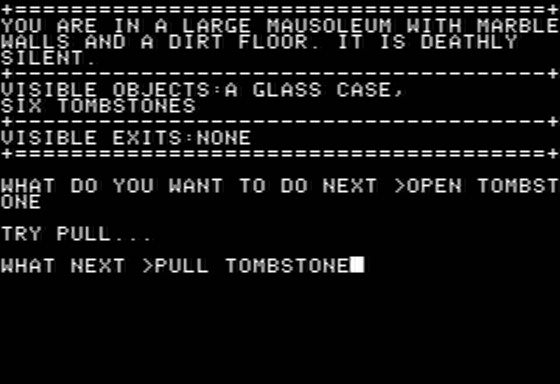
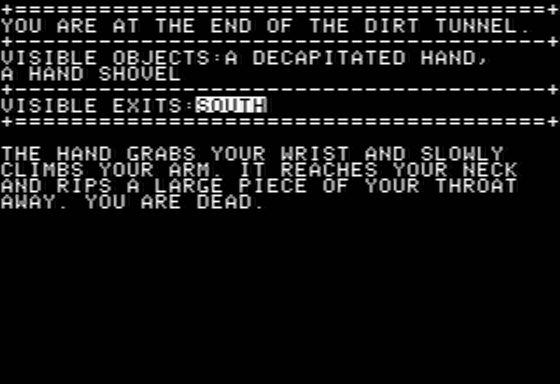
Crypt of Medea employs a classic two-word “verb noun” parser that will feel familiar to veterans of early text adventures. Commands such as “OPEN DOOR” or “EXAMINE SKELETON” are all it takes to navigate the branching corridors of the mausoleum. While simple, this parser demands precision, and mistyping even a single word can mean missing out on crucial clues or dying by an unseen trap.
(HEY YOU!! We hope you enjoy! We try not to run ads. So basically, this is a very expensive hobby running this site. Please consider joining us for updates, forums, and more. Network w/ us to make some cash or friends while retro gaming, and you can win some free retro games for posting. Okay, carry on 👍)
The core of the gameplay revolves around exploration and puzzle solving. You’ll collect items—torches, keys, mysterious vials—and experiment with them in different locations. The game’s design often requires trial and error: a torch might reveal hidden inscriptions on a wall, while a vial of oil could disarm a pressure plate. Each puzzle has logical underpinnings rooted in classic adventure tropes, but a few solutions feel surprisingly inventive for the era.
Combat is minimal but memorable. Instead of real-time fighting, you encounter hostile creatures and must decide whether to use an item or attempt to flee. The tension of these encounters is heightened by the parser’s deliberateness—typing the wrong command or hesitating can lead to quick deaths. For modern players accustomed to action-heavy horror, these turn-based confrontations can feel slow, yet they capture the creeping dread that defines the title.
Difficulty is on the punishing side. With no in-game map or autosave, you’ll need to draw your own layout of twisting passageways and remember where you found each key or lever. Death is frequent and often instantaneous, from spiked pits to acid pools. If you’re the kind of player who revels in charting unknown territory and reloading hours of progress, Crypt of Medea will test your patience and reward careful note-taking.
Despite its age, the gameplay loop remains engaging. The sense of discovery—uncovering a hidden tomb chamber or deciphering a runic code—still feels fresh. It’s a reminder that well-crafted puzzles and atmospheric exploration can captivate even without flashy animations or voice acting.
Graphics
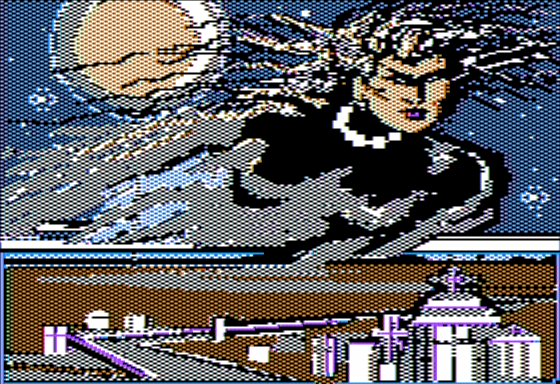
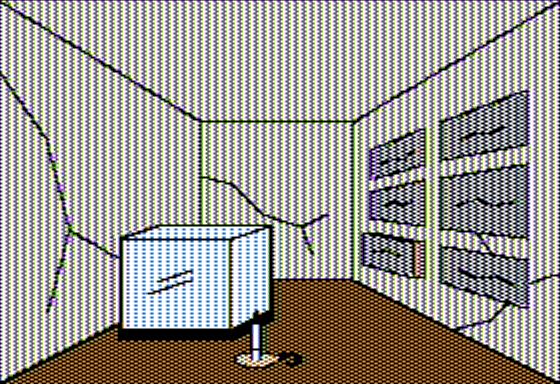
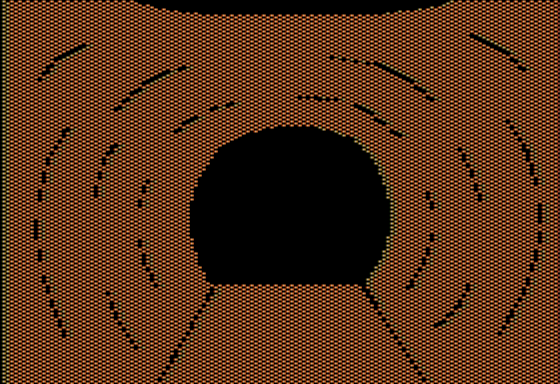
For an Apple II title released in the early 1980s, Crypt of Medea’s hi-res color graphics were quite ambitious. Rooms are rendered with bold, saturated hues that highlight the bleak, torchlit corridors and the gore-scattered floors. Though blocky by today’s standards, each screen feels carefully composed to reinforce the macabre mood.
The game’s monochrome backgrounds—often a deep burgundy or dull slate—frame the more vividly colored sprites of monsters and traps. A writhing serpent might be rendered in angry green, while dripping blood is a shocking bright red. This limited palette paradoxically enhances the horror: your brain fills in the grisly details that the low-resolution sprites merely imply.
Animation is minimal but effective. A flickering torch icon pulses to evoke a swaying flame, and enemy sprites toggle between two frames to simulate creeping movement. These modest flourishes breathe life into the crypt’s otherwise static environments. You learn to dread certain screen layouts not for their complexity, but for the creatures you know will appear.
While there are occasional graphical glitches—overlapping pixels or color bleed—these quirks feel more like nostalgic artifacts than flaws. They remind you of the hardware limitations developers overcame to deliver a fully illustrated horror experience. If you’re accustomed to high-definition, seamless art, the visuals may appear primitive. However, as a piece of gaming history, their ambition is clear and commendable.
Overall, the graphics serve the atmosphere perfectly. The bold contrasts and minimal animation combine to evoke a sense of dread that persists long after you’ve left the mausoleum. In many ways, these visuals remain more haunting than some modern horror titles, proving that a strong art direction can outlast raw pixel counts.
Story
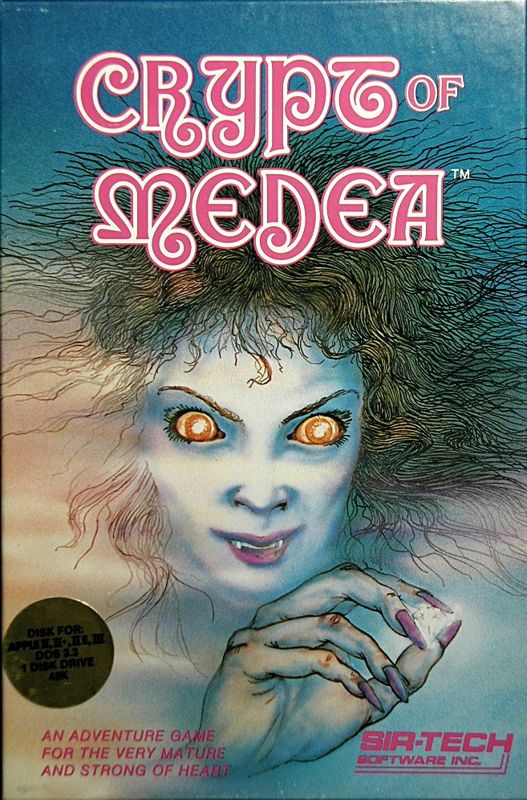
Crypt of Medea draws its inspiration from the tragic Greek sorceress Medea, though the connection is more thematic than narrative. Rather than retelling her myth, the game borrows her associations with dark magic and fatal intrigue to frame your imprisonment. You awaken in the depths of an underground crypt, with only the distant sounds of dripping water and the occasional creature’s hiss for company.
The storyline unfolds through sparse textual descriptions and environmental details. Skeletons and discarded notes hint at previous explorers who fell victim to hidden traps or the crypt’s supernatural guardians. This minimal storytelling forces you to piece together the fate of those who came before, building tension through implication rather than heavy exposition.
Despite the lack of dialogue or cutscenes, the game excels at creating a foreboding mood. Each new chamber suggests a chapter in an unseen horror epic: a bloodstained altar whispers of dark rites, while a shattered sarcophagus hints at a restless entity beneath the earth. The narrative’s strength lies in its ability to stoke the player’s imagination rather than spelling everything out.
Some players may find the story too thin by modern standards, as text adventures of the era rarely pursued deep character arcs or moral dilemmas. Yet, within its constraints, Crypt of Medea crafts a cohesive, if lean, gothic horror tale. The lurking presence of the crypt itself becomes the antagonist—an unfeeling labyrinth that toys with you as surely as any monster.
In retrospect, the story’s simplicity is part of its charm. It’s a pure horror experience distilled to its essentials: isolation, dread, and the urgent need to escape. For fans of psychological and environmental storytelling, the crypt’s silent narrative speaks volumes.
Overall Experience
Playing Crypt of Medea today feels like stepping into a time capsule of gaming history. Its deliberate pacing, challenging puzzles, and stark visuals contrast sharply with contemporary horror games’ cinematic approach. If you appreciate retro design and are willing to embrace its idiosyncrasies, you’ll find a uniquely immersive experience.
The game demands patience and careful planning. Without modern conveniences—no autosave, no hint system, no dynamic map—you become deeply invested in every item collected and every corridor drawn on paper. This old-school methodology can be both refreshing and exasperating, but it fosters a satisfying sense of accomplishment once you finally emerge from the crypt’s depths.
Crypt of Medea can feel brutal to newcomers. The frequent, often sudden deaths underscore the game’s mantra: “Explore cautiously.” For players seeking a forgiving experience, this title may prove too harsh. However, for adventurers who delight in mastering a system through perseverance, the crypt’s challenges will feel like hard-earned triumphs.
The historical significance of Crypt of Medea also adds weight to the overall experience. As one of the first horror-themed hi-res adventures on the Apple II, it pushed boundaries of both content and technology. Horror veterans will appreciate its role as a progenitor of modern survival and puzzle-based fright games.
In conclusion, Crypt of Medea remains an engaging relic for those open to retro gaming’s demands. Its atmosphere is impressively sustained by minimalist graphics and terse narrative, while its puzzles and exploration mechanics still reward dedication. If you’re curious about where digital horror began, delving into this crypt is a journey well worth your time—provided you don’t mind losing a few characters along the way.



Reviews
There are no reviews yet.