 Retro Replay Retro Replay gaming reviews, news, emulation, geek stuff and more!
Retro Replay Review
Gameplay
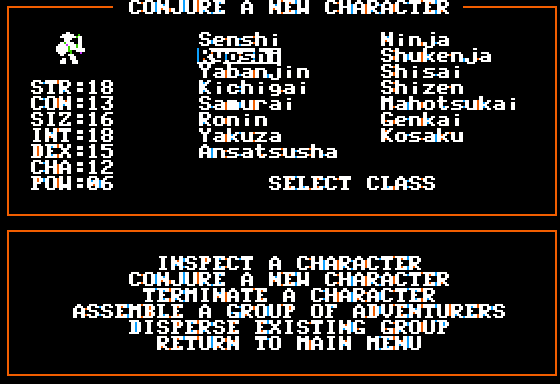
Deathlord’s gameplay captures the essence of classic Ultima-style RPGs while layering in a distinctive oriental flavor. At its core, you assemble a party from eight unique races and sixteen specialized classes, from human Genkai Wizards to fierce Ryoshi Fighters. This expansive character creation system invites thorough experimentation, ensuring that each playthrough can feel markedly different depending on your team composition.
(HEY YOU!! We hope you enjoy! We try not to run ads. So basically, this is a very expensive hobby running this site. Please consider joining us for updates, forums, and more. Network w/ us to make some cash or friends while retro gaming, and you can win some free retro games for posting. Okay, carry on 👍)
Combat unfolds in a turn-based, grid-like format that will feel familiar to devotees of Bard’s Tale and Wizardry. With 84 spells bearing Japanese names—yet performing the elemental and restorative functions veterans expect—Deathlord strikes a balance between novelty and nostalgia. The included translation guide demystifies terms like “Bōden” for “Magic Missile” or “Fudō” for “Fireball,” so you’ll quickly grasp each spell’s use in battle without constantly referencing external sources.
One of Deathlord’s standout features is its import utility, which lets you Easternize characters from Bard’s Tale, Ultima III, and Wizardry. This seamless bridge to other beloved RPGs not only accelerates the early game but also deepens the sense of continuity across your favorite medieval adventures. Whether you’re forging ahead with a fresh party or marching in with veteran heroes remapped to Japanese-themed archetypes, the gameplay loop remains richly rewarding.
Graphics
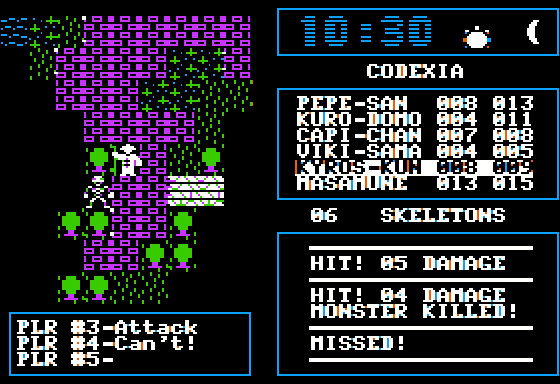
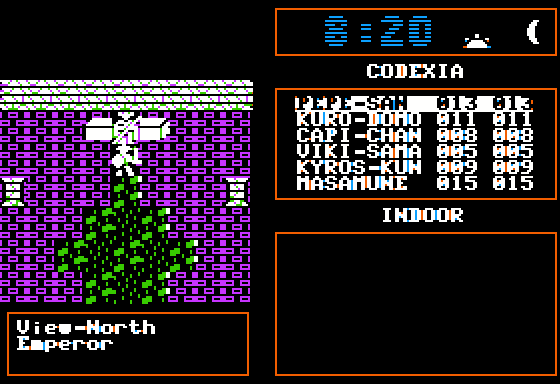
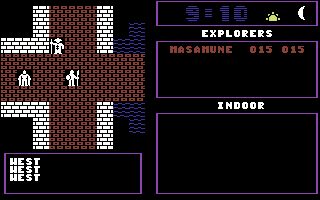
Visually, Deathlord embraces the limits and charms of late-’80s PC graphics. Its tile-based environments—rendered in a palette of muted earth tones and occasional bursts of crimson for demon-infested dungeons—create a cohesive aesthetic that underscores the game’s oriental setting. While it lacks the high-resolution textures of modern titles, the hand-crafted sprites and blocky iconography possess a nostalgic warmth.
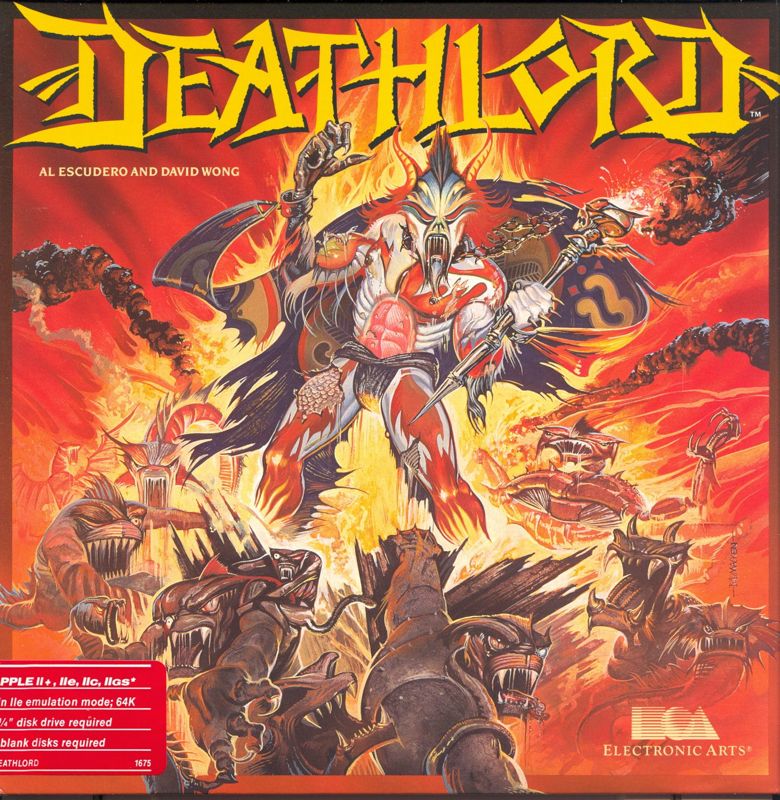
Character portraits and enemy designs lean into traditional Japanese aesthetics, with demon lords sporting kabuki-like makeup and samurai echoes. Even within the confines of 16-color EGA (or colorized Apple II graphics), each monster feels distinct, and the townsfolk’s robes and banners help reinforce the game’s cultural milieu. It’s a visual style that rewards patient exploration, as hidden details emerge on deeper dives through ancient temples and mountain shrines.
The interface itself is thoughtfully organized, with clear status windows for party health, spell memorization, and inventory. While modern gamers might find menu navigation a tad cumbersome, the game minimizes frustration by grouping similar actions—such as casting spells or equipping armor—under intuitive commands. Overall, Deathlord’s graphics serve the gameplay and narrative exceptionally well, fostering immersion rather than distracting from it.
Story
At the heart of Deathlord lies a straightforward yet compelling narrative: theDeathlord and his demon horde threaten the realm, and only you, summoned by Emperor Nakamoto, can drive them back. This Eastern-inspired backdrop sets the stage for a saga that spans over a dozen continents, each with its own cities, temples, and underground strongholds. The scope alone imbues the story with a grand, epic feel.
The game peppers lore throughout dialogues with NPCs, ancient scrolls, and hidden shrines. Town elders recount calamities wrought by demonic incursions; wandering monks offer cryptic hints about the Deathlord’s true identity. While some exposition is delivered through plain text, the translation guide and original nomenclature lend authenticity to the world, making every new name and location feel like a genuine part of a living culture.
What Deathlord lacks in branching plotlines it makes up for in sheer breadth. Side quests range from rescuing kidnapped villagers in mountain passes to deciphering secret runes in abandoned castles. Though you might occasionally yearn for more moral choices or narrative consequences, the sheer volume of content—designed to fill “a few hundred hours” of gameplay—ensures that the story remains engaging from the first shrine to the final showdown with the demon army.
Overall Experience
Playing Deathlord today is akin to unearthing a time capsule of classic RPG design infused with Japanese themes. Its unforgiving difficulty curve and sprawling world demand patience and strategy, rewarding thoughtful character builds and careful resource management. For those who relish methodical exploration and building synergy among diverse classes, this game offers unparalleled depth.
The adventure’s length is both its greatest strength and potential stumbling block. With over a dozen continents to explore and countless dungeons to clear, newcomers should be prepared for extended sessions and possibly consulting maps to avoid getting lost. That said, the satisfaction of delving into a massive, intricately crafted world—and ultimately confronting the Deathlord himself—is a rare thrill that few modern titles can replicate.
Ultimately, Deathlord stands as a testament to the golden age of CRPGs, blending familiar mechanics with fresh cultural motifs. Its rich character options, extensive spell list, and vast geography combine to create an experience that will keep dedicated RPG fans engrossed for weeks or even months. If you’re seeking a deep, challenging journey steeped in Oriental aesthetics, Deathlord remains an excellent choice.


Reviews
There are no reviews yet.