 Retro Replay Retro Replay gaming reviews, news, emulation, geek stuff and more!
Retro Replay Review
Gameplay
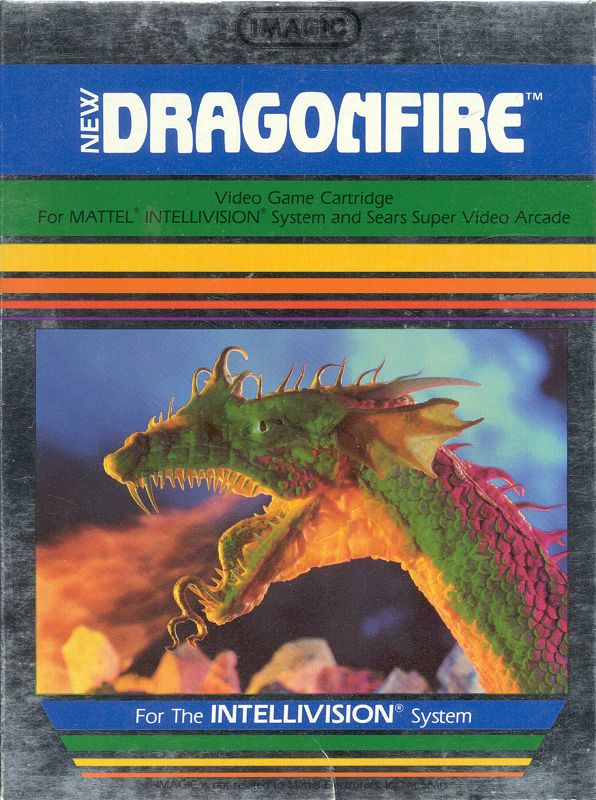
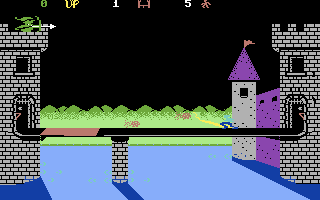
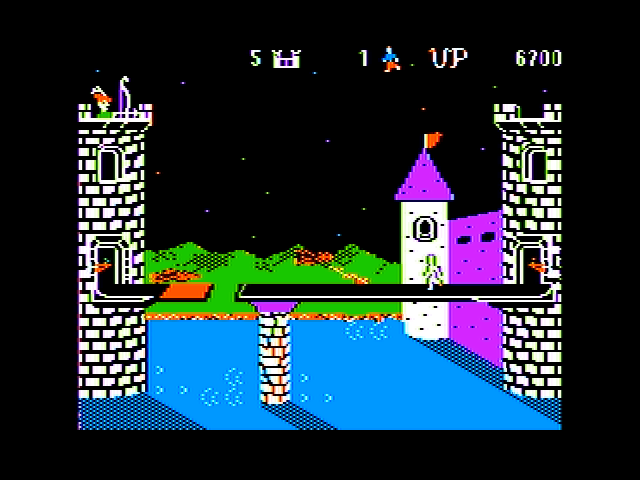
Dragonfire’s gameplay is built around a simple yet addictive two-part level design that keeps you coming back for more. In the first half of each stage, you navigate your prince across a precarious drawbridge, timing jumps and ducks to avoid the dragon’s fireballs and a hail of flying arrows. The controls are tight and responsive, ensuring that when you mistime a jump or get caught by a fireball, it feels like your own mistake rather than clunky mechanics. This precise platforming challenge lays a solid foundation for the game’s escalating difficulty.
(HEY YOU!! We hope you enjoy! We try not to run ads. So basically, this is a very expensive hobby running this site. Please consider joining us for updates, forums, and more. Network w/ us to make some cash or friends while retro gaming, and you can win some free retro games for posting. Okay, carry on 👍)
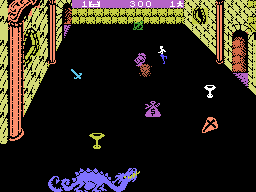
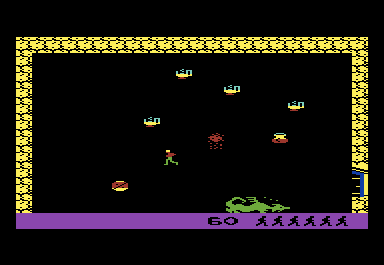
Once you clear the drawbridge segment, the action shifts to the treasure chamber where your main objective is to collect every glittering artifact scattered across the floor. Here, the dragon prowls at the bottom of the screen, forcing you to plan each move carefully. The pacing in this phase is brisk—you’ll dash between chests, lure the dragon away, and sprint for the exit just as the beast lunges. It’s a thrilling dance of risk and reward that never grows stale, thanks to cleverly placed treasure clusters and escape routes.
As you advance through the castles, each dragon introduces a new firing pattern or movement style. One dragon might fire rapid, low-arching fireballs, while another will unleash wide horizontal streams that demand precise timing to avoid. These variations compel you to adapt your strategy constantly, preventing the game from feeling repetitive. Dragonfire strikes the perfect balance between challenging platforming segments and tense collectible runs, ensuring that every level feels fresh and engaging.
Graphics
Dragonfire’s pixel art style pays homage to classic 16-bit era platformers while incorporating modern visual flourishes. The castles are richly detailed, with moss-covered stone walls, flickering torchlight, and intricately patterned drawbridge chains. Background elements—like distant mountain ranges or stormy skies—add depth without distracting from the foreground action. The color palette shifts subtly between levels, reinforcing the distinct atmosphere of each dragon’s lair.
The dragon animations deserve special praise. Each beast moves with a weighty presence, its wings beating slowly as it tracks your position. When it breathes fire, you’ll notice glowing embers that cascade down in realistic arcs, complete with dynamic lighting effects on surrounding surfaces. Even small details, such as the prince’s hair fluttering in the dragon’s heat waves or the way treasure chests sparkle when collected, contribute to a cohesive visual experience.
While Dragonfire leans into nostalgia, it avoids feeling dated. Particle effects—like shattered stone when drawbridge sections break underfoot, and cascading sparks from deflected arrows—add polish and flair. The frame rate remains steady, even during moments of intense action, ensuring that graphical complexity never compromises playability. Overall, the visual presentation is both charming and functional, elevating standard platforming mechanics with crisp art and smooth animations.
Story
At its core, Dragonfire offers a straightforward but effective narrative: the king’s treasures have been stolen, and it’s up to a daring young prince to reclaim them from fire-breathing dragons. This setup is familiar, yet it provides just enough context to make each stage feel purposeful. You’re not just jumping and dodging for the sake of it—you’re on a heroic quest to restore your kingdom’s glory.
The story unfolds through brief cutscenes and environmental storytelling. Between castle levels, you glimpse the prince’s determination in simple pixel-art panels: a clenched fist, a resolute gaze, or a map showing the next dragon’s domain. While there’s no deep character development, these touches give the campaign a sense of progression and stakes beyond mere high scores. You feel like a true adventurer rather than a disembodied sprite.
Dragonfire refrains from overly complicated lore, which works in its favor. The narrative never outstays its welcome, allowing the gameplay to remain front and center. Yet, the promise of rescuing royal treasures and confronting ever-more formidable dragons provides a consistent motivational thread that keeps you invested from the first drawbridge crossing to the final showdown.
Overall Experience
Playing Dragonfire is a thrill from start to finish. The blend of tight platforming and strategic treasure-collection segments ensures that each level delivers a satisfying mix of tension and triumph. Whether you’re a seasoned platformer fan seeking a fresh challenge or a newcomer looking for an accessible entry point, Dragonfire strikes the right difficulty curve.
The game’s pacing is impeccable. No two levels feel identical, thanks to the diverse dragon behaviors and castle layouts. Moments of cautious precision on the drawbridge are balanced by frantic sprints through treasure rooms, creating a dynamic rhythm that keeps adrenaline levels high. Even when you fail a stage, the quick restart times and clear visual feedback make retrying a pleasure rather than a chore.
Dragonfire successfully marries retro aesthetics with modern design sensibilities. Its pixel art visuals and chiptune-inspired soundtrack evoke a sense of nostalgia, while polished mechanics and varied level design ensure contemporary appeal. In a crowded market of indie platformers, Dragonfire stands out as an engaging, well-crafted title that offers both challenge and charm for players of all skill levels.


Reviews
There are no reviews yet.