 Retro Replay Retro Replay gaming reviews, news, emulation, geek stuff and more!
Retro Replay Review
Gameplay
Star Fire revives the classic arcade feel of the original 1980 Exidy coin-op with a refreshingly simple yet addictive shooter mechanic. You control a lone starfighter, aiming your crosshair at swarms of incoming Exidy vessels. The core loop—lock on targets, fire rapidly, collect energy diamonds, and warp to the next sector—creates an instant pick-up-and-play appeal that rewards both quick reflexes and strategic timing.
(HEY YOU!! We hope you enjoy! We try not to run ads. So basically, this is a very expensive hobby running this site. Please consider joining us for updates, forums, and more. Network w/ us to make some cash or friends while retro gaming, and you can win some free retro games for posting. Okay, carry on 👍)
Each sector presents a varied formation of enemy fighters, from nimble interceptors to heavily armored freighters. Shooting down all ships triggers a warp gate, offering a brief moment of triumph before you’re thrust into the next wave. As you progress, enemy patterns grow more complex: ships weave in tight formations, fire homing projectiles, or briefly cloak themselves, challenging you to stay sharp and adapt your shooting rhythm.
Energy management plays a surprising role in Star Fire’s longevity. Each enemy shot that finds its mark chips away at your shield, but energy diamonds dropped by destroyed vessels can instantly recharge you. This dynamic forces players to balance raw aggression with careful target selection, ensuring that every encounter feels tense and meaningful.
The control scheme remains faithful to its arcade roots: a single firing button and intuitive cursor movement. Veteran gamers will appreciate the lack of complicated button combos, while newcomers can dive straight in. Though deceptively straightforward, mastering dodge patterns and timing shots under pressure keeps the challenge alive through dozens of intense levels.
Graphics
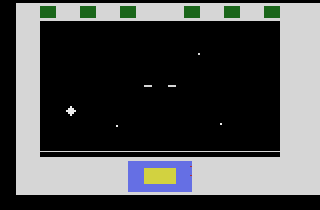
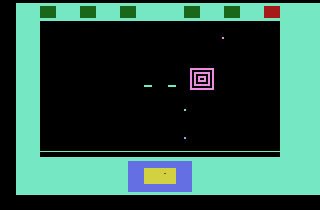
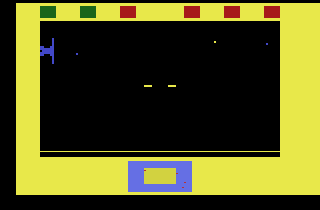
Star Fire’s visual presentation channels the spirit of early vector-based arcade cabinets, with crisp, minimalist lines and a restrained color palette. Enemies and projectiles are rendered as clean, neon-like shapes that stand out sharply against the deep black backdrop of space. This retro aesthetic not only pays homage to the original arcade machine but also ensures that gameplay elements remain instantly legible.
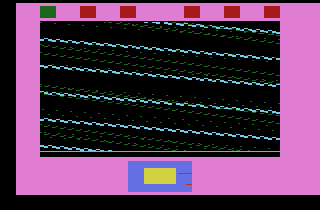
On modern displays, the game scales beautifully without losing its vintage charm. The warp animation—a cascading tunnel of glowing rings—provides a satisfying transition between sectors, while subtle particle effects add visual flair to explosions and shield hits. These touches lend a contemporary polish without detracting from the classic feel.
UI elements are kept deliberately sparse. A simple shield meter sits unobtrusively in the corner, and your current sector number flashes briefly on-screen after each warp. This minimal HUD approach ensures that nothing distracts from the high-octane action at the center of the screen.
Sound design complements the visuals with sharp, arcade-style beeps, laser zaps, and explosive bursts. Each audio cue is calibrated to the on-screen event, reinforcing the impact of a successful hit or a near-miss. The combination of sights and sounds captures the original arcade’s urgency, making every session pulse with retro excitement.
Story
Behind the frenetic action of Star Fire lies a simple yet effective sci-fi premise. The Earth forces are in peril after years of relentless assaults by the Exidy coalition. Humanity’s defenses are crumbling, and hope dims as enemy armadas breach friendly space.
Intelligence operatives uncover a dire new threat: Exidy freighters, bristling with devastating weaponry, are headed straight for Earth. Accompanying these warships is an armada of smaller fighter craft—each one hell-bent on planetary annihilation. The stakes could not be higher: allow these freighters to reach Earth, and civilization as we know it will be extinguished.
In this narrative, you embody Earth’s last line of defense. Alone in the vast void, your mission is clear: destroy every enemy vessel in each sector, collect precious energy diamonds to keep your shields up, and use warp gates to press the fight deeper into the Exidy fleet. There are no backup squadrons or reinforcements—just you versus a seemingly endless tide of foes.
While the storyline unfolds through brief text blurbs and mission briefings, it provides enough context to ground the action. The urgency of the threat, combined with your solitary hero role, fuels the drive to keep shooting, keep dodging, and keep warping until the final sector is cleared.
Overall Experience
Star Fire succeeds as both a nostalgia trip for arcade veterans and an approachable shooter for newcomers. Its fast-paced gameplay loop is easy to learn but hard to master, offering satisfying depth for players who enjoy chasing high scores and perfect runs. The risk-and-reward of energy management keeps sessions thrilling from start to finish.
Visually, the game’s retro vector style and clean particle effects combine old-school authenticity with modern clarity. The audio cues heighten every laser shot and explosion, immersing players in a relentless space battle that never loses momentum. Even after extended play, the simple aesthetic remains comfortable on the eyes, avoiding fatigue common in densely textured modern shooters.
The storyline, though minimal, effectively sets the stage for each firefight. Knowing that you’re Earth’s sole savior against the Exidy coalition adds an emotional undercurrent to every encounter. Even silent warp gates and sparse briefings feel meaningful when the fate of the planet hangs in the balance.
Overall, Star Fire stands out as a tight, engaging homage to early arcade classics. Its blend of straightforward controls, escalating challenge, and polished retro presentation makes it a worthy addition to any shooter fan’s library. Whether you’re reliving old memories or discovering this era of gaming for the first time, Star Fire delivers an arcade blasting experience that’s hard to put down.


Reviews
There are no reviews yet.