 Retro Replay Retro Replay gaming reviews, news, emulation, geek stuff and more!



Retro Replay Review
Gameplay
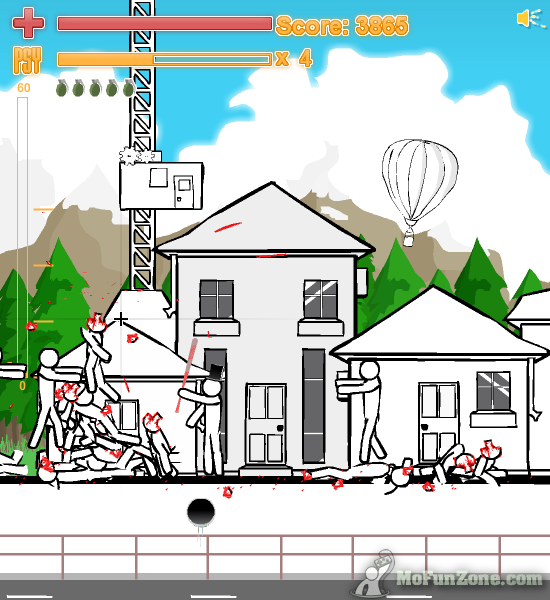
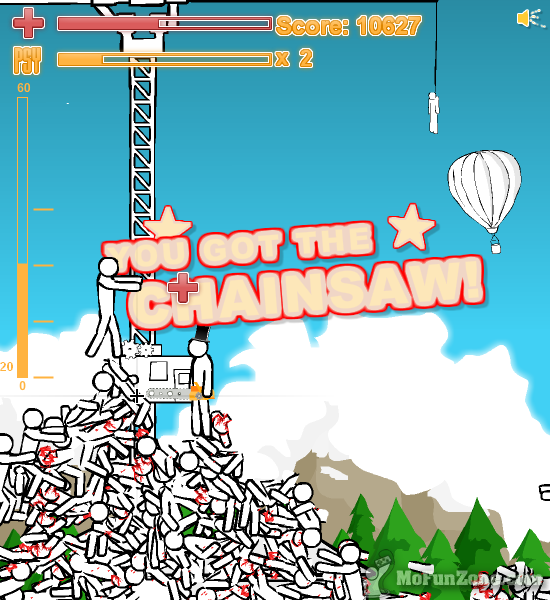
Body Ladder delivers a refreshingly chaotic gameplay loop centered around stacking the corpses of countless evil clones to ascend each level’s vertical gauntlet. You begin unarmed, relying solely on your wits and stick-figure agility to collect bodies until you hit the unlocking threshold for your first weapon. As your body-stack meter climbs, you’ll progress through a lineup of four melee weapons—baseball bat, axe, chainsaw, and dual pistols—each offering a distinct rhythm and damage profile.
(HEY YOU!! We hope you enjoy! We try not to run ads. So basically, this is a very expensive hobby running this site. Please consider joining us for updates, forums, and more. Network w/ us to make some cash or friends while retro gaming, and you can win some free retro games for posting. Okay, carry on 👍)
The seamless integration of mouse and keyboard controls feels intuitive once you get the hang of it. Movement and jumping are mapped to the arrow keys or WASD, while your aim is handled by the mouse. A neat targeting system means aiming low triggers melee strikes, and aiming high unleashes your psy power to literally blow clones’ heads off. Grenades add a layer of tactical decision-making: you have five per round, and their area-of-effect can turn a tight corridor into a strategic bottleneck.
Weapon progression in Body Ladder is both a blessing and a constraint. Unlocking a new weapon feels like a reward for your stacking prowess, but the inability to revert to previous arms can frustrate those who favor the precision of the bat over the wild spin of a chainsaw. Powerups—randomly dropping health icons and “psy” invincibility cloaks—keep you on your toes, while two meters at the top of the HUD track your health and psy-attack capacity, ensuring you’re always balancing offense and defense.
Graphics
Body Ladder’s visual style embraces minimalism with a 3-D stick figure protagonist set against stark, industrial backdrops. The choice of a simplistic avatar allows the action to remain crystal-clear, even when dozens of corpses clutter the screen or explosions obscure the battlefield. Despite the basic character models, weapon animations—especially the gleeful head-exploding psy attacks—are satisfyingly visceral.
Environmental details are subtle but effective. Platforms, crates, and conveyor belts provide enough variety to keep each level feeling fresh, while occasional splashes of color—like the red health cross or the glowing psy icon—guide your eyes to crucial gear and upgrades. Lighting effects, particularly around electric wires or neon signage, add depth without overwhelming the core stick-figure aesthetic.
Performance-wise, Body Ladder runs smoothly on mid-range machines, maintaining a steady frame rate even during the most chaotic moments. Sound design complements the visuals: bone-crunching impacts, the spin of a chainsaw, and the crackle of psychic detonations all land with satisfying punch. Though not a graphical showcase, the game’s art direction and responsive effects create a cohesive, high-energy atmosphere.
Story
Body Ladder doesn’t bog itself down with a sprawling narrative; instead, it embraces a tongue-in-cheek premise: you are a lone stick-figure in a top hat, hell-bent on stacking evil clones to conquer ever-higher levels. This minimalist setup lets you focus on explosive combat and strategic stacking rather than cutscene indulgence. The absurdity of the “evil clone” concept adds a wry humor that threads through the entire experience.
Each level comes with its own aesthetic nods—ranging from laboratory ruins to gritty industrial plants—that hint at the origins of your malevolent doppelgängers. These environmental cues do most of the storytelling, suggesting a darker world-building backdrop without pulling you out of the action. NPCs are nonexistent, but between powerup drops and the on-screen meter, the game communicates what’s important: stay alive, stack bodies, ascend.
Though light on plot, Body Ladder’s self-awareness keeps it engaging. The relentless waves of clones and the ever-present threat of losing your stack serve as a narrative engine, driving you to push higher and unlock the next weapon. In a way, the story is your own struggle against the clones—an unspoken challenge that unfolds naturally through gameplay mechanics.
Overall Experience
Body Ladder strikes a compelling balance between simplicity and depth. The core stack-and-climb concept is immediately accessible, yet the layering of weapons, grenades, and psychic powers adds strategic nuance. This makes each run feel unique: do you hoard grenades for chokepoints, go all-in with the chainsaw’s area damage, or rely on headshots for precision dispatches?
Replayability is high, thanks to the random timing of powerup drops and the gradual unlocking of weapons. Trying to perfect your run, minimize damage, and maximize body stacks provides a satisfying loop for completionists. Leaderboards or time trials—if added—could further extend the game’s lifespan, but even in its current form, Body Ladder encourages repeated attempts.
For players seeking a quick-hit action experience with light strategy and a healthy dose of dark humor, Body Ladder delivers. It may not boast an epic storyline or hyper-realistic visuals, but its tight controls, addictive stacking mechanic, and unapologetic mayhem make it a standout in the indie brawler scene. Climb on and keep your top hat firmly on—there’s always another higher rung waiting.



Reviews
There are no reviews yet.