 Retro Replay Retro Replay gaming reviews, news, emulation, geek stuff and more!


Retro Replay Review
Gameplay
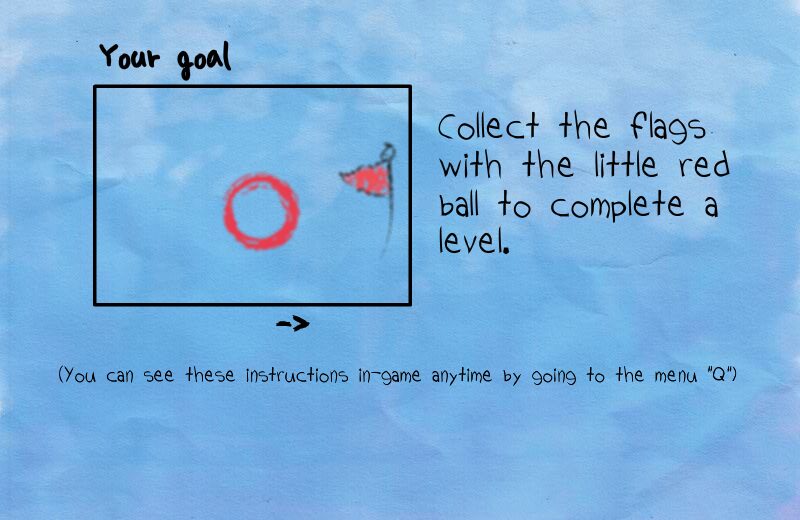
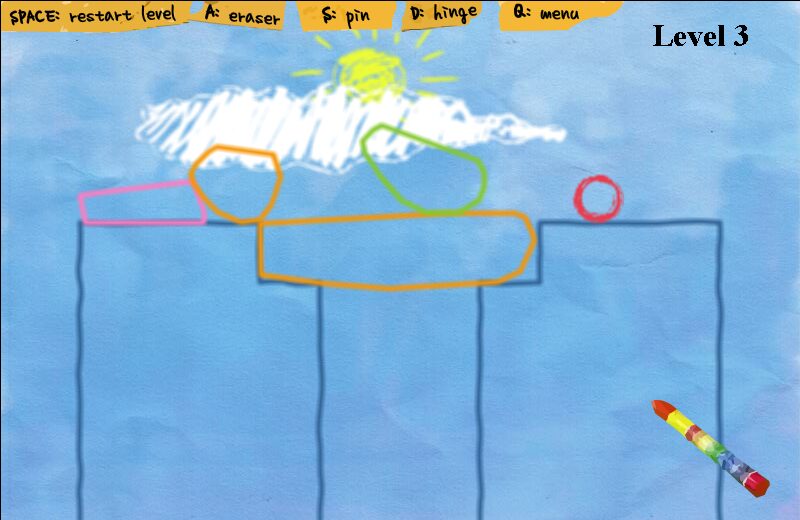
Magic Pen delivers a familiar yet satisfying puzzle experience by borrowing heavily from Crayon Physics Deluxe. From the moment you launch the game, you’re asked to draw lines, ramps, and simple machines with your mouse to guide a rolling ball through each level. The core mechanics hinge on realistic gravity and momentum, so every stroke you make feels meaningful. You’ll quickly learn that a slight change in angle or length can turn a failed attempt into a triumphant run.
(HEY YOU!! We hope you enjoy! We try not to run ads. So basically, this is a very expensive hobby running this site. Please consider joining us for updates, forums, and more. Network w/ us to make some cash or friends while retro gaming, and you can win some free retro games for posting. Okay, carry on 👍)
The inclusion of fixed connectors and hinge joints elevates the gameplay, allowing you to build rudimentary pendulums, catapults, and seesaws to launch the ball up steep inclines. These features open up creative solutions beyond straight ramps—some levels practically beg you to experiment with clever rotational contraptions. This added flexibility keeps the first dozen levels breezy, then steadily ramps up complexity as you juggle multiple flags, moving platforms, and bottomless pits.
With 26 thoughtfully designed levels, the progression feels well-paced. Early challenges introduce basic drawing and physics concepts, while later stages demand precision timing and inventive engineering. Even seasoned fans of drawing-based physics puzzles will find fresh twists here, whether it’s propelling the ball through narrow corridors or activating a series of hinged gates in quick succession. The undo button offers forgiveness for trial-and-error, but there’s genuine satisfaction in nailing a first-try solution.
Graphics
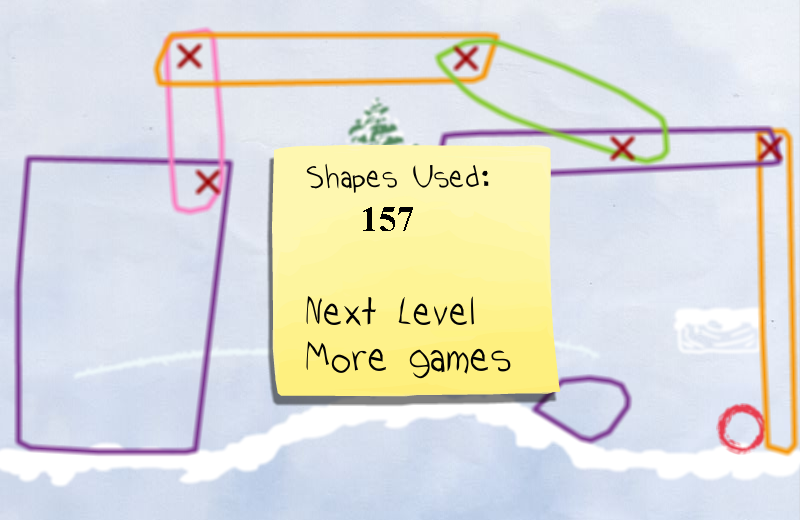
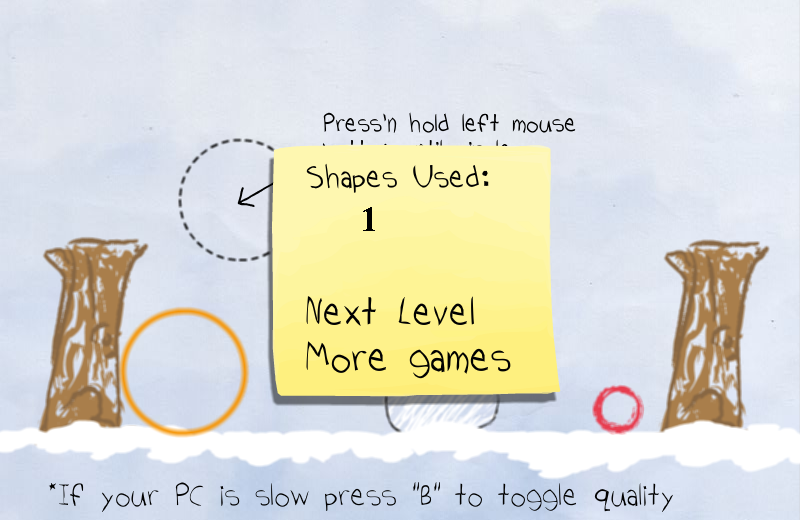
Visually, Magic Pen’s aesthetic is deceptively simple—it looks like a digital sketchbook come to life. The backgrounds are clean and uncluttered, letting your drawn shapes stand out in crisp, high-contrast colors. While it lacks flashy particle effects or high-fidelity textures, the minimalist approach ensures you’re never distracted from the puzzle at hand.
Each interactive element receives clear visual feedback: lines thicken as they bear weight, joints glow briefly when under tension, and the ball leaves a subtle shadow to help you track its movement. These small touches make the physics feel more tangible and keep you rooted in the game world. Animations are smooth, even when multiple objects swing and collide at once, thanks to an optimized physics engine.
The UI complements the hand-drawn theme with sketched icons and a straightforward toolbar. There’s no cluttered scoreboard or confusing menus—just simple buttons for undo, restart, and level select. This elegant presentation underscores the game’s core focus: your creativity and problem-solving skills, rather than flashy visuals.
Story
Magic Pen doesn’t weave an elaborate narrative; instead, it lets the puzzles tell the story of your own ingenuity. Each level unfolds like a chapter in a sketchbook adventure, where the narrative is implied through the evolving challenges and increasingly elaborate contraptions you build. This light touch ensures the focus remains firmly on gameplay while still providing a sense of progression.
That said, some levels introduce gentle thematic shifts—moving from serene open fields to industrial-themed chambers complete with gears and levers. These environmental cues give a modest sense of journey without resorting to cutscenes or lengthy exposition. You feel like an inventor tinkering in a workshop, discovering new tools and tricks as you advance.
For players craving a deeper backstory, Magic Pen leaves room for the imagination. You could envision yourself as an aspiring engineer, a brilliant child doodling in a notebook, or even a whimsical architect designing elaborate ball courses. This open-ended approach to storytelling keeps the experience universally accessible and free from genre tropes.
Overall Experience
Magic Pen strikes an excellent balance between accessibility and depth. Newcomers to drawing-based puzzles will appreciate the intuitive controls and clear physics feedback, while veterans will relish the rich potential for complex contraptions. The 26 levels provide several hours of engaging gameplay, and there’s plenty of replay value in shaving seconds off your best runs or exploring alternate solutions.
The game’s learning curve is friendly but never trivial. Each new mechanic arrives just when you’ve mastered the previous one, ensuring a steady sense of accomplishment. Occasional moments of frustration—inevitable in any physics-based puzzle game—are offset by the built-in undo feature and a forgiving checkpoint system.
In sum, Magic Pen is a wonderfully engaging stopgap for fans awaiting Crayon Physics Deluxe, and it stands on its own as a polished physics-puzzler. Its combination of simple graphics, thoughtful level design, and versatile drawing tools makes it a smart pick for anyone who enjoys creative problem-solving. Whether you’re seeking a casual time-killer or a brain-teasing challenge, this pen-and-paper style adventure has you covered.



Reviews
There are no reviews yet.