 Retro Replay Retro Replay gaming reviews, news, emulation, geek stuff and more!

Retro Replay Review
Gameplay
Phantom Mansion: Spectrum of Souls – Chapter 6: The Indigo Dungeon continues the series’ trademark room-by-room puzzle exploration, challenging players to gather all the trapped souls before making their escape. Each chamber presents a unique blend of block-pushing, switch-activation, and enemy-avoidance mechanics. Fans of the previous Blue Ballroom installment will feel at home manipulating keys, moving crates, and timing their movements around skeletons and zombies.
(HEY YOU!! We hope you enjoy! We try not to run ads. So basically, this is a very expensive hobby running this site. Please consider joining us for updates, forums, and more. Network w/ us to make some cash or friends while retro gaming, and you can win some free retro games for posting. Okay, carry on 👍)
What sets the Indigo Dungeon apart is the introduction of Hop-Frog the Jester, a mischievous adversary who steals shiny gold items—including the all-important keys. This twist forces players to rethink their usual strategies: rather than simply hoarding keys, you must remain vigilant for Hop-Frog’s ambushes and work to corner him if he manages to make off with your progress. The added cat-and-mouse dynamic brings fresh tension to familiar puzzle scenarios.
The controls remain precise, allowing for fine adjustment when shuffling boxes or stepping through narrow corridors. At times, the more elaborate rooms and layered puzzles can feel overwhelming, but the gradual increase in difficulty ensures that newcomers and veterans alike can adapt at a manageable pace. Inventory management is straightforward, though you may find yourself backtracking to retrieve stolen keys or reposition boxes after Hop-Frog’s antics.
One minor drawback is that some of the traps and timed elements rely heavily on trial and error, which can interrupt the flow for players seeking a more cerebral experience. Still, the sense of accomplishment when you outwit Hop-Frog and clear a fiendishly designed chamber makes the occasional restart worthwhile. Overall, the Indigo Dungeon’s blend of classic puzzle elements and new adversary encounters keeps the gameplay feeling fresh throughout its runtime.
Graphics
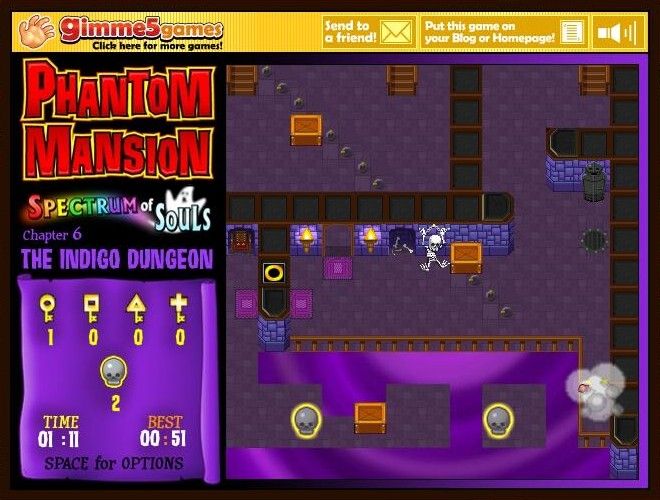
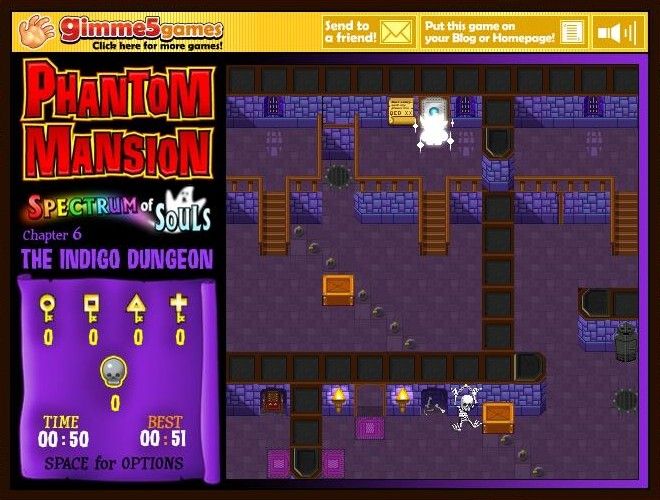
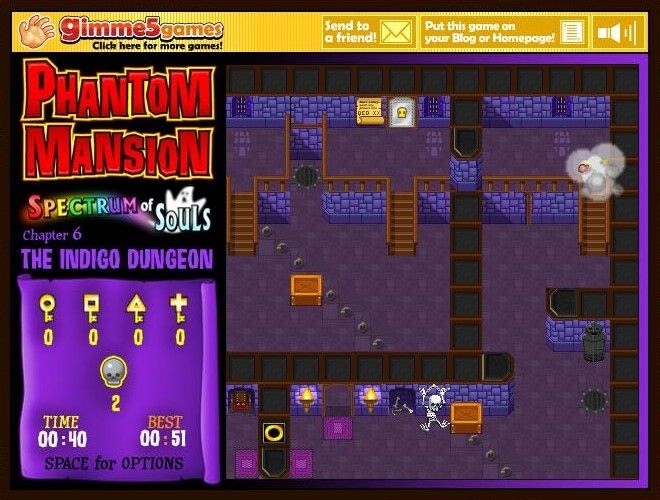
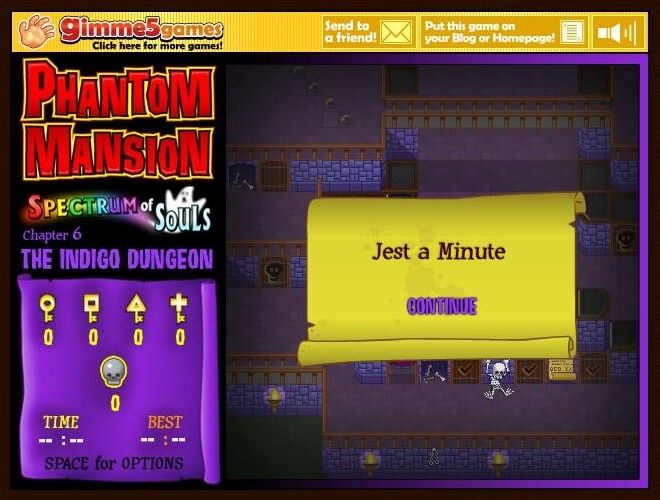
The Indigo Dungeon’s visual design strikes a compelling balance between moody atmosphere and playful detail. Stone walls drip with haunting indigo hues, while torches cast flickering shadows that heighten the sense of entrapment. Each room feels distinct, whether it’s the bone-lined corridor of skeletons or the mossy cell where zombies lurk just out of sight.
Character sprites, including Hector himself, remain charmingly pixel-art stylized, with smooth animations that bring even minor actions—like picking up a key or dusting off a crate—to life. Hop-Frog the Jester is particularly memorable, his frenetic hopping and gleaming gold crown vividly contrasting with the dungeon’s darker tones. His animation cues offer subtle hints to his next move, rewarding observant players who learn to predict his behavior.
While the overall aesthetic is consistent with earlier chapters, you’ll notice refinements in lighting effects and texture detail. Dust motes drifting in torchlight and the slight sheen on metal bars add a layer of polish that enhances immersion. The occasional slowdowns during intense enemy encounters are rare but can momentarily detract from the visual spectacle.
Importantly, the user interface remains clean and unobtrusive. Inventory icons pop against the background without obscuring the action, and the minimap (if enabled) offers just enough guidance without giving away puzzle solutions. Whether you’re playing on a high-resolution display or a modest laptop, the Indigo Dungeon’s graphics deliver a satisfying blend of style and function.
Story
Chapter 6 picks up with Hector freshly escaped from the Blue Ballroom, only to find himself plunged into the depths of the Indigo Dungeon. While the overarching narrative remains light, the game’s lore subtly unfolds through environmental details and the occasional ghostly whisper. You’ll piece together hints of the mansion’s macabre past as you liberate each trapped soul.
Hop-Frog the Jester serves as the chapter’s primary antagonist, and his theatrical personality injects a dash of dark humor into the proceedings. Though he never speaks, his body language and gleeful thievery paint a vivid portrait of a trickster spirit intent on hoarding your treasures. Chasing him through hallway after hallway becomes a recurring mini-story, elevating what might otherwise be a rote fetch-and-deliver task.
Dialogue remains minimal but effective, with Hector’s internal monologue offering dry quips when he narrowly avoids a trap or recovers a stolen key. The subtle character development suggests that Hector is both exasperated and intrigued by each new chapter of the mansion’s trials. Souls you rescue sometimes whisper fragments of their final moments, lending emotional weight to otherwise static puzzle rooms.
While purists seeking a sprawling epic might find the story lean, Chapter 6’s narrative pacing is well-suited to its puzzle-focused design. Each room you clear feels like a small narrative beat, and the cumulative effect is a satisfying sense of progress through the Indigo Dungeon’s grim corridors.
Overall Experience
Phantom Mansion: Spectrum of Souls – Chapter 6: The Indigo Dungeon offers a finely tuned blend of classic puzzle gameplay and inventive new mechanics. The addition of Hop-Frog the Jester introduces a lively adversarial element that prevents the experience from feeling too formulaic, while the polished controls and level design keep frustration at bay.
The game’s atmosphere is a noteworthy highlight, marrying pixel-art charm with evocative lighting and environmental storytelling. Whether you’re evading spectral skeletons or reclaiming a purloined key from a cackling jester, the Indigo Dungeon maintains a strong sense of place and mood throughout.
Though the chapter’s narrative is relatively concise, it achieves a satisfying arc by the time you corner Hop-Frog in the final showdown. The incremental reveals about the mansion’s history and the souls you free lend emotional resonance to each solved puzzle. For fans of the series, it’s a natural and welcome progression, and newcomers will find enough polish and innovation to make this chapter a solid standalone experience.
In conclusion, Chapter 6 strikes a fine balance between challenge and charm, making it an engaging choice for puzzle enthusiasts and casual adventurers alike. Its clever integration of new adversary mechanics ensures that even seasoned Phantom Mansion players will discover fresh layers of strategy and enjoyment in the Indigo Dungeon’s depths.


Reviews
There are no reviews yet.