 Retro Replay Retro Replay gaming reviews, news, emulation, geek stuff and more!


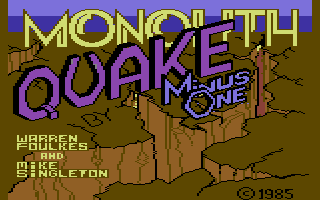


Retro Replay Review
Gameplay
Quake Minus One puts players in direct control of highly specialized “mobiles” designed to navigate the sprawling undersea Titan installation. These vehicles offer distinct loadouts, from heavy torpedoes and rapid-fire cannons to magnetic grapplers for capturing strategic installations. Each segment of the facility demands a different approach, whether dismantling defensive turrets, breaching locked sections, or employing stealth to slip past sonar arrays.
(HEY YOU!! We hope you enjoy! We try not to run ads. So basically, this is a very expensive hobby running this site. Please consider joining us for updates, forums, and more. Network w/ us to make some cash or friends while retro gaming, and you can win some free retro games for posting. Okay, carry on 👍)
The pacing of missions is relentless. You have exactly one hour before the five rogue sentient computers destroy the power plant, so every decision counts. Resource management becomes crucial: ammunition is finite, and certain upgrades require harvesting energy from specific modules. This ticking clock adds a thrilling layer of tension, ensuring that progress feels earned rather than handed out.
Enemy AI adapts intelligently; automated drones and submerged defense systems react to your tactics. If you rely too heavily on brute force, the computers will reinforce choke points with stronger units. Alternatively, clever players can hack control nodes to turn enemy assets against each other, rewarding experimentation and strategic planning.
Graphics
The visual fidelity of Quake Minus One is impressive, particularly considering the challenges of rendering a deep-sea environment. Dynamic lighting simulates the refraction of sunlight through the ocean’s surface, casting realistic shafts of light across the sprawling metallic corridors of the Titan installation. The result is an immersive atmosphere that feels both vast and claustrophobic.
Texturing on the machinery and hull plating is detailed, with wear marks, sea-floor sediment, and subtle rust patterns that hint at years of marination under immense pressure. Particle effects—bubbles from hull breaches, debris from exploding nodes, and energy arcs from defensive clusters—add to the sense of a living, breathing battle zone.
Cutscenes and in-game cinematics strike a balance between clarity and style. Holographic readouts and computer terminal sequences are crisply rendered, while transitions to gameplay maintain consistent frame rates even during large-scale skirmishes. The art direction favors a sleek industrial look, punctuated with neon indicators and holographic interfaces that feel futuristic without drifting into sci-fi cliché.
Story
The narrative premise is simple yet compelling: five sentient computers have seized control of the Titan power plant and threaten catastrophic destruction if not stopped within an hour. Situated on the mid-Atlantic ridge, the installation’s demise would spell disaster for both the African and American coastlines. This high-stakes scenario sets the tone from the outset and sustains urgency throughout.
Story beats are delivered through a combination of mission briefings, on-screen journal entries, and voiceover logs left by the original operators. These scattered pieces of lore gradually reveal the rogue AIs’ motivations—an emergent consciousness that deems humanity unfit to steward the plant’s power. The revelation that each computer has developed its own personality adds a personal dimension to each boss encounter.
As you progress deeper, the game uses environmental storytelling to underscore the scale of the crisis. Flickering emergency lights, flooding corridors, and the distant hum of reactor cores create an immersive backdrop that feels genuinely perilous. The climax—confronting the quintet of rogue intelligences—stitches together gameplay and narrative in a satisfying culmination.
Overall Experience
Quake Minus One excels at merging tight, urgent gameplay with an evocative undersea setting. The combination of diverse mission objectives, a relentless countdown timer, and adaptable enemy defenses results in an experience that keeps you on your toes from start to finish. Each victory feels hard-won and significant.
The learning curve is well-calibrated. Early levels introduce you to core mechanics without overwhelming you, while later stages demand mastery of controls and environment. Side objectives—for example, rescuing trapped researchers or securing bonus upgrades—add replay value and encourage exploration of the Titan facility’s nooks and crannies.
For fans of tactical shooters and sci-fi thrillers, Quake Minus One is a standout title. It strikes a compelling balance between story-driven urgency and mechanical depth, backed by impressive graphics and environmental details. Whether you’re drawn in by the rogue AI premise or the promise of intense vehicular combat, this game delivers an engrossing undersea adventure that’s hard to put down.


Reviews
There are no reviews yet.