 Retro Replay Retro Replay gaming reviews, news, emulation, geek stuff and more!
Retro Replay Review
Gameplay
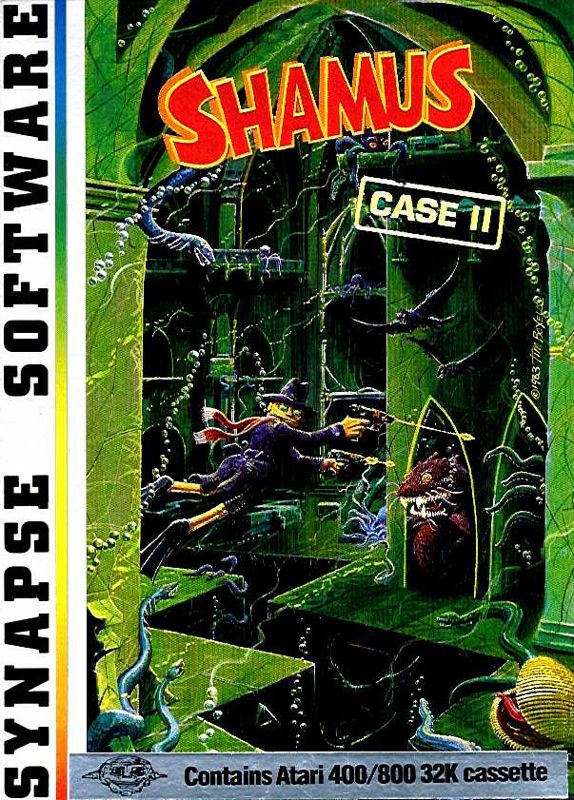
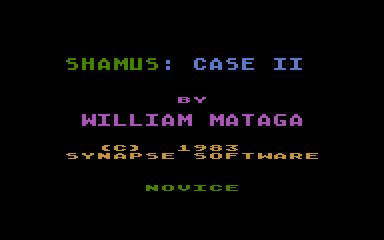
Shamus: Case II offers a unique blend of detective investigation and dungeon-crawling action. You step into the shoes of Shamus, a sleuth determined to recapture his escaped nemesis in a sprawling underground lair. Each level interconnects through hidden passages, forcing you to think like both a detective and an adventurer. The emphasis on exploration means you must search every nook and cranny for keys, clues, and the occasional shortcut.
(HEY YOU!! We hope you enjoy! We try not to run ads. So basically, this is a very expensive hobby running this site. Please consider joining us for updates, forums, and more. Network w/ us to make some cash or friends while retro gaming, and you can win some free retro games for posting. Okay, carry on 👍)
Survival hinges on your ability to navigate treacherous traps and evade or confront a variety of monsters. Combat is minimalist but strategic: your limited ammunition forces you to decide when it’s best to fight and when to sneak past foes. This resource management adds tension to every hallway, transforming each weapon pickup into a precious commodity rather than just another power-up.
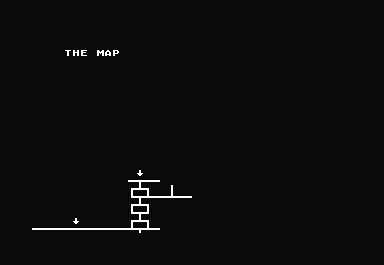
Wrong turns are more than mere annoyances—they are a core part of the challenge. Certain corridors loop back unexpectedly, leading you into ambushes or forcing you to retrace steps. This maze-like design rewards careful mapping and note-taking, heightening the sense of achievement when you finally discover a hidden chest or breakthrough passage.
The inclusion of treasure chests and caches filled with keys, hints, and other useful items injects an element of reward for thorough exploration. Finding a hidden cache can mean the difference between progression and a frustrating backtrack, encouraging players to be observant and inquisitive throughout their descent.
Graphics
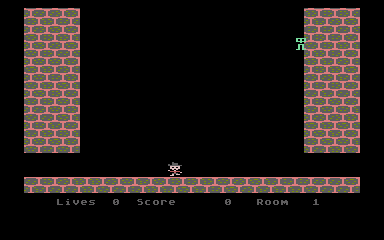
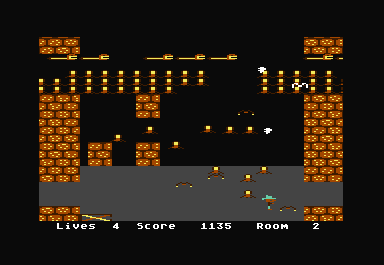
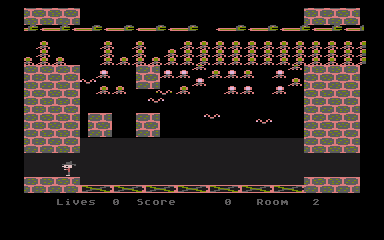
Visually, Shamus: Case II embraces a retro aesthetic that pays homage to classic 8-bit dungeon crawlers. The pixel art is crisp, with well-defined walls, floors, and environmental hazards that stand out against the darker backdrop of the underground lair. This clarity is essential, as traps and monsters must be quickly identifiable in the heat of exploration.
The animation is deliberately simplistic but effective. Shamus’s movements are smooth enough to feel responsive, and monster behaviors—whether pacing, prowling, or lunging—are communicated clearly through brief but distinct frames. These subtle animations breathe life into the dungeon without overwhelming the player with unnecessary visual noise.
Color plays a crucial role in guiding your path. Key items and interactive elements, such as treasure chests and locked doors, are highlighted with brighter hues against the muted rock formations. This visual language reduces confusion when navigating complex layouts and reinforces the importance of environmental storytelling.
Particle effects for weapon discharges and trap activations remain minimal, yet they deliver satisfying feedback. The flash of a shot or the spark of a trigger mechanism draws your eye, confirming that your actions have had the intended effect—and sometimes warning you of imminent danger in the same instant.
Story
At its core, Shamus: Case II is a tale of pursuit and redemption. Having apprehended his arch-enemy once before, Shamus finds himself drawn back into the underworld when that very villain stages a daring escape. The premise is straightforward but compelling: you are the hunter delving into a labyrinth of your foe’s design, determined to restore justice.
Story beats are delivered through sparse but effective text interludes between levels. These snippets maintain momentum by revealing new facets of the villain’s plan, hinting at the perils that lie ahead. While there’s no extensive dialogue or cutscenes, the narrative is sustained through environmental cues and the ever-present threat of traps and monsters.
The sense of place within the underground lair deepens the storytelling. Each section of the dungeon feels deliberately crafted to reflect the villain’s cunning mind—dead ends rigged with spikes, flood zones concealing hidden chambers, and treasure rooms rigged with false floors. This design weaves story into gameplay, making every discovery feel narratively significant.
Hints found in caches occasionally shed light on the villain’s motivations and weaknesses, providing context for your adventure. Though occasional, these hints enrich the backstory and clarify objectives, ensuring that you never lose sight of why capturing your quarry matters.
Overall Experience
Shamus: Case II delivers a tense, methodical gameplay loop that rewards patience and observation. Its combination of puzzle-like navigation, resource-limited combat, and environmental storytelling creates a memorable experience that feels both challenging and fair. Every corridor exploration becomes an exercise in strategy and deduction.
The learning curve is well-balanced. Early encounters introduce you to traps and simple monsters, while later sections ramp up complexity with interlocking puzzles and more aggressive foes. This progression ensures that veterans of dungeon crawlers and newcomers alike find the experience engaging without feeling unfairly punishing.
Replayability is anchored by the thrill of discovering alternate routes and uncovering hidden stashes you missed on your first run. The satisfaction of circumnavigating a particularly devious trap or outsmarting a patrol of monsters encourages you to revisit earlier levels armed with new knowledge.
In sum, Shamus: Case II stands out as a polished blend of detective intrigue and retro dungeon-crawling. Its thoughtful level design, evocative pixel art, and strategic gameplay make it a must-consider title for fans of classic action-adventures seeking a cerebral challenge with just the right dose of old-school flair.


Reviews
There are no reviews yet.