 Retro Replay Retro Replay gaming reviews, news, emulation, geek stuff and more!
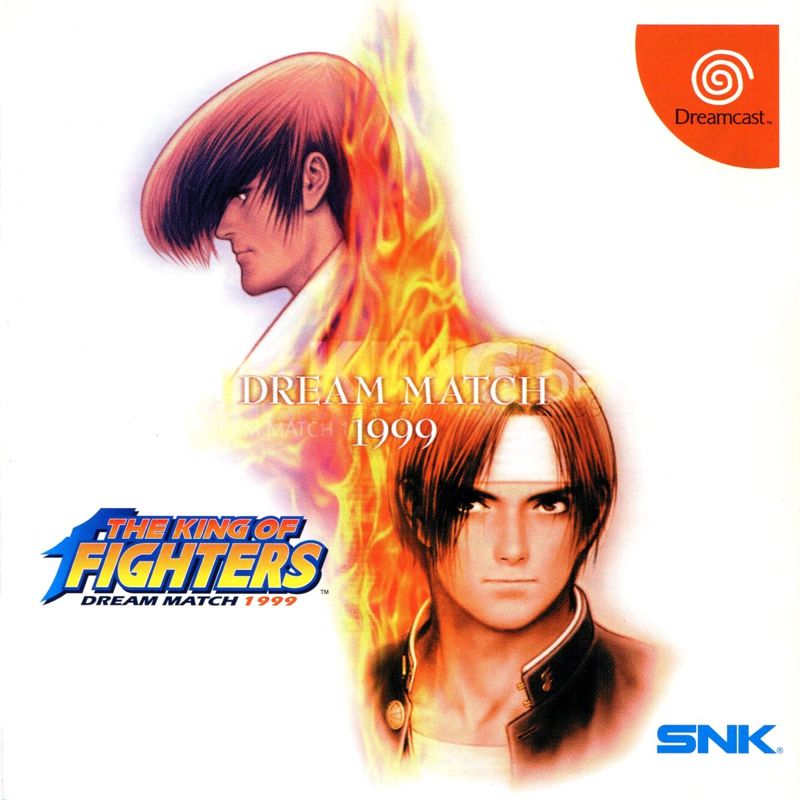
Retro Replay Review
Gameplay
The King of Fighters: Dream Match 1999 stays true to the fast‐paced, technical fighting formula popularized by the arcade version of KOF ’98. Matches flow smoothly with tight controls and a vast roster of 38 characters, each boasting unique special moves and super combos. The classic three-on-three tag system is intact, letting you switch characters on the fly and plan devastating crossovers or desperation moves when your life bar is dwindling.
(HEY YOU!! We hope you enjoy! We try not to run ads. So basically, this is a very expensive hobby running this site. Please consider joining us for updates, forums, and more. Network w/ us to make some cash or friends while retro gaming, and you can win some free retro games for posting. Okay, carry on 👍)
What sets the Dreamcast conversion apart are the subtle yet welcome additions. New training modes and customizable options allow both newcomers and seasoned veterans to polish their combos and experiment with meter usage without the pressure of a real opponent. Frame-by-frame move lists and a detailed hitbox display in practice make it easier to learn the nuances of each fighter, from Iori’s chain combos to Kyo’s flame blasts.
For those who crave a bit of variety, the bonus Challenge Mode injects fresh objectives—such as time-attack survival or landing specific combo chains—to test your mastery. Whether you’re attempting to clear all challenges solo or grinding out ladder matches against friends, the Dream Match formula remains deeply satisfying. The only real quibble is the absence of new character balance patches, leaving a few combo-heavy characters slightly overpowered, but overall the gameplay retains the perfect blend of accessibility and depth.
Graphics
Visually, Dream Match 1999 is a feast for fans of 2D sprite work. All character sprites are lifted directly from the arcade original, preserving their vibrant colors and fluid animations. Each fighter’s signature moves—from Leona’s plunging slash to Terry’s Buster Wolf—look crisp and register with satisfying impact against opponents. Move executions and effects maintain arcade fidelity, ensuring hits feel both powerful and rewarding.
The real visual upgrade comes from the new backgrounds, enhanced with polygonal details that lend a subtle 3D depth to each stage. Street corners now have gently swaying palm trees, neon lights pulse in the heat of battle, and metallic platforms reveal additional angles as you juggle opponents. While these enhancements do not overhaul the 2D presentation, they complement the classic visuals with a modern sheen that feels at home on the Dreamcast.
Moreover, the additional galleries are presented in high resolution, letting players admire concept sketches, character illustrations, and unused assets. A fully featured sound test rounds out the presentation, allowing you to hear classic battle themes, victory jingles, and original character fanfares in glorious CD-quality audio. Though the game doesn’t push Dreamcast hardware to its limits, it perfectly balances nostalgia and subtle next-gen flair.
Story
As with the original KOF ’98, Dream Match 1999 offers little in the way of a traditional story mode. Known as a “Dream Match,” the game intentionally forgoes canon events to bring together an all-star roster from previous tournaments. This approach means you won’t be treated to cinematic cutscenes or branching narrative paths—what you get is pure, unadulterated fighting action.
However, the absence of a plot can be seen as a feature rather than a flaw. Players are free to assemble dream teams featuring iconic rivalries—Kyo vs. Iori—or unexpected mash-ups like survivors from Orochi Saga squaring off against newcomers. The sense of camaraderie and competition stems more from your own story: the tale of mastery, the thrill of perfect wins, and the personal rivalries you forge with friends in local multiplayer.
For completists, the included galleries touch briefly on character backstories and design notes, providing context for each fighter’s appearance and signature moves. It’s a nice nod to fans who want to delve beneath the surface, even if it doesn’t replace a true single-player campaign. Ultimately, the story is what you and your opponents create in each intense match.
Overall Experience
The King of Fighters: Dream Match 1999 on Dreamcast is an outstanding package for any fighting game enthusiast. By preserving the core arcade gameplay of KOF ’98 and layering in Dreamcast-specific bonuses—polygonal stage touches, robust training modes, and rich galleries—the developers have delivered both a love letter to longtime fans and an accessible entry point for newcomers. Every match feels explosive and rewarding, solidifying the game’s place among the best 2D fighters of its era.
Online play may be absent, but local multiplayer sessions remain as thrilling as ever. The Dreamcast controller supports precise inputs, ensuring combos land as intended, and the system’s processing power keeps the action rock-steady, even when three characters each exchange simultaneous super moves. Whether you’re practicing alone or duking it out with friends, Dream Match 1999 stands up as a durable and enjoyable experience.
If you’re looking to expand your fighting library or revisit a classic chapter in the KOF saga, this Dreamcast conversion should be high on your list. The blend of arcade-accurate action, tasteful graphical enhancements, and treasure-trove bonus features makes The King of Fighters: Dream Match 1999 not just a port, but a definitive edition of one of SNK’s best.


Reviews
There are no reviews yet.