 Retro Replay Retro Replay gaming reviews, news, emulation, geek stuff and more!




Retro Replay Review
Gameplay
Hoshi no Suna Monogatari 3 continues the classic point-and-click adventure style that fans of the series have come to expect. Players control Mine Takaishi through a series of static screens, selecting from a menu of verbs—such as “Look,” “Speak,” and the newly added “Take”—to interact with objects, examine their surroundings, and interrogate fellow residents of the seaside boarding house. This simple command list keeps the learning curve shallow while still providing enough variety to keep each investigation feeling fresh.
(HEY YOU!! We hope you enjoy! We try not to run ads. So basically, this is a very expensive hobby running this site. Please consider joining us for updates, forums, and more. Network w/ us to make some cash or friends while retro gaming, and you can win some free retro games for posting. Okay, carry on 👍)
The investigation mechanics are built around exploration and dialogue. There are a handful of inventory items to collect—clues, tools, and key evidence—that can be combined or used in the environment to unlock new areas or revelations. Unlike action-oriented adventure games, progression here relies heavily on carefully revisiting every location and systematically “bumping” into characters to trigger hidden events or overhear crucial conversations. This encourages players to think like true detectives, cross-referencing dialogue with found objects.
One of the strengths of the gameplay is the pacing of puzzle difficulty. Early scenarios are quite forgiving, with hints nested in character conversations or item descriptions. By mid-game, however, the challenge ramps up: you may need to backtrack several screens to find a missed clue or revisit dialogue options to uncover the right question that advances the plot. This ebb and flow of difficulty helps maintain engagement without ever feeling punishing.
Graphics
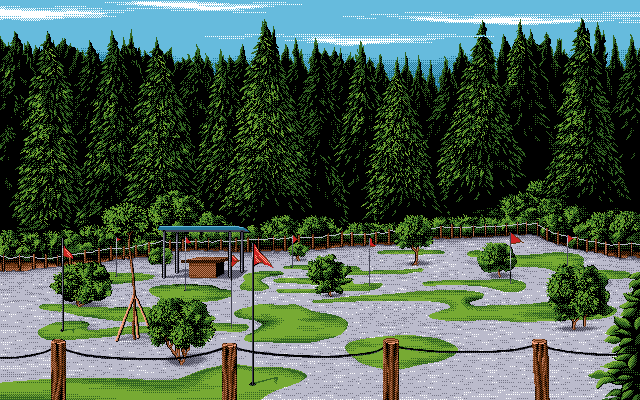
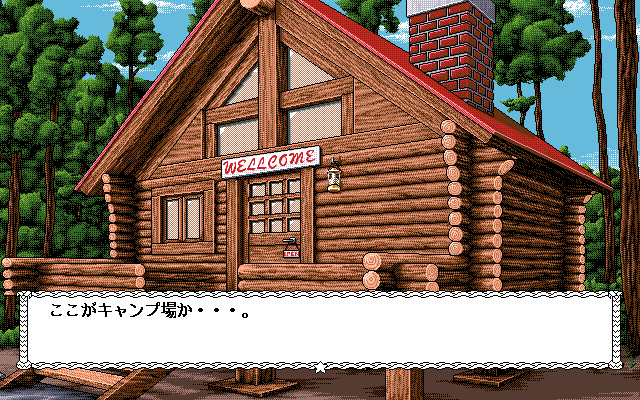
Graphically, Hoshi no Suna Monogatari 3 retains the charming, hand-drawn 2D art style of its predecessors. Backgrounds depict the elegant interiors of Uminoya’s boarding house—with its polished wood floors and vintage lamps—as well as the windswept beach vistas, complete with softly crashing waves and distant fishing boats. These static scenes set a serene yet mysterious tone, perfect for a detective narrative.
Character portraits are richly detailed, emphasizing subtle changes in expression as conversations progress. Mine Takaishi’s own sprite is suitably modest—dressed in his tutor’s attire—while the supporting cast ranges from the aristocratic girl he teaches to the anxious younger brother whose sudden illness sparks the central mystery. Occasional cameo appearances by the beloved series protagonist, Gengorou Imai, are presented as crisp, expressive silhouettes that serve as a nostalgic nod to long-time fans.
The user interface sees only minor tweaks this time around, preserving the clean layout of past entries. Menu text is legible and neatly organized, with color-coded verbs and a small icon denoting active clues. Transitions between screens are instantaneous, avoiding unnecessary loading times and allowing the story to flow smoothly from one investigation point to the next.
Story
At the heart of Hoshi no Suna Monogatari 3 is a classic whodunit premise. Mine Takaishi, a 23-year-old college dropout turned private tutor, joins his wealthy student at a fashionable seaside boarding house owned by her relative, Uminoya. What starts as a leisurely winter retreat soon turns ominous when the owner’s younger brother collapses after dinner, prompting suspicion of foul play. The narrative unfolds like a tightly wound clockwork, with each dialogue choice and discovered item inching you closer to the truth.
The game’s ensemble cast provides ample intrigue: from the high-society elegance of the boarding house matriarch to a handful of eccentric relatives, each character carries their own secrets and potential motives. Conversations are well-penned, offering the right balance of red herrings and genuine leads. Players will appreciate the way late-game revelations tie back to early dialogue hints, rewarding attentive investigation.
Despite being the first installment without Gengorou Imai as the playable hero, his cameo appearances serve as delightful Easter eggs, acknowledging the series’ legacy while allowing Mine’s character to shine. His personal arc—from a penniless tutor grappling with his own pride and principles to a resourceful detective—is subtly drawn. By the climactic confrontation at the hospital ward, players feel invested not only in solving the case but in witnessing Mine’s quiet growth.
Overall Experience
Hoshi no Suna Monogatari 3 delivers a warmly familiar experience for fans of Japanese mystery adventures, while introducing enough new elements to keep the series feeling alive. The deliberate pacing rewards methodical play: revisiting scenes, questioning every character, and scrutinizing all items. If you enjoy taking your time and savoring every clue, this game will hold your attention well into its satisfying conclusion.
Newcomers to the series may find the static navigation and text-heavy interactions a bit slow compared to modern graphical adventures, but those looking for a genuine detective challenge will appreciate the intricate plotting and genuine “a-ha” moments. The lack of hand-holding means you’ll need patience and a keen eye, but solving the mystery of the seaside boarding house is all the more rewarding for it.
In summary, Hoshi no Suna Monogatari 3 is a testament to classic adventure game design: simple interface, elegant visuals, and a layered story that builds intrigue with every conversation. Whether you’re a series veteran or a mystery aficionado seeking a retro-style challenge, this third entry is well worth the trip to the shore—and the secrets that lie beneath its sands.


Reviews
There are no reviews yet.