 Retro Replay Retro Replay gaming reviews, news, emulation, geek stuff and more!

Retro Replay Review
Gameplay
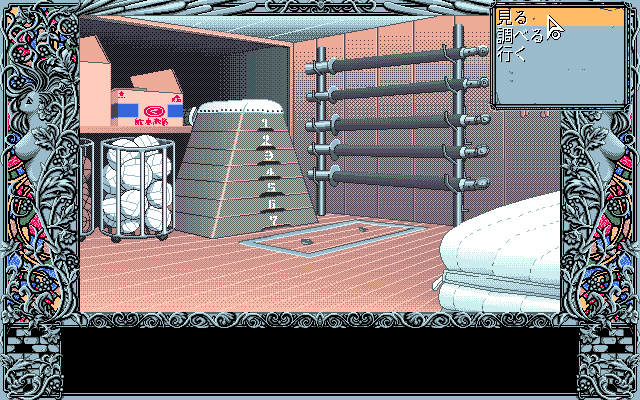
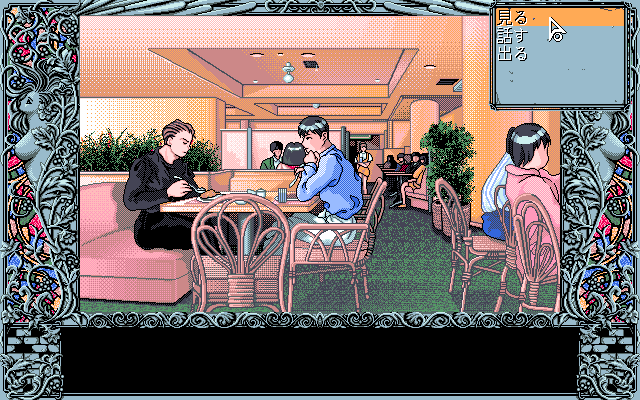
Tenshitachi no Gogo: Tenkōsei streamlines its interactive elements compared to earlier entries in the series. The verb command menu is pared down to just “Look,” “Talk,” “Think,” and “Move” (sometimes even fewer options), which creates a more focused, almost visual‐novel–style flow. This simplicity can be refreshing for players who want to concentrate on narrative progression rather than juggling complex command lists. Choices still appear at key moments, but they do not branch into dead ends—every path leads forward, ensuring that players will see all major story beats without fear of an untimely game over.
(HEY YOU!! We hope you enjoy! We try not to run ads. So basically, this is a very expensive hobby running this site. Please consider joining us for updates, forums, and more. Network w/ us to make some cash or friends while retro gaming, and you can win some free retro games for posting. Okay, carry on 👍)
Exploration is conducted through city and school locales, with minimal sub‐menu objects to inspect. While this reduction in interactivity may disappoint fans used to digging through inventories, it speeds up pacing and reduces repetition. A brisk cycle of move‐and‐talk keeps each scene tightly constructed. The linear structure guarantees you’ll meet every character in due course, though it also sacrifices some replay motivation—after one complete run, the novelty of meeting the same cast in the same order diminishes.
Character encounters hinge on conversational choices, but the stripped‐down menu means that nearly every selection leads to a prewritten scene rather than dramatically different outcomes. For players more interested in the narrative content than multiple divergent endings, this tradeoff works well enough. However, if you seek heavily branching narratives or complex puzzles, Tenkōsei’s simplified framework might feel somewhat limited. On the other hand, the absence of “wrong” choices ensures a smoother, more predictable experience.
Graphics
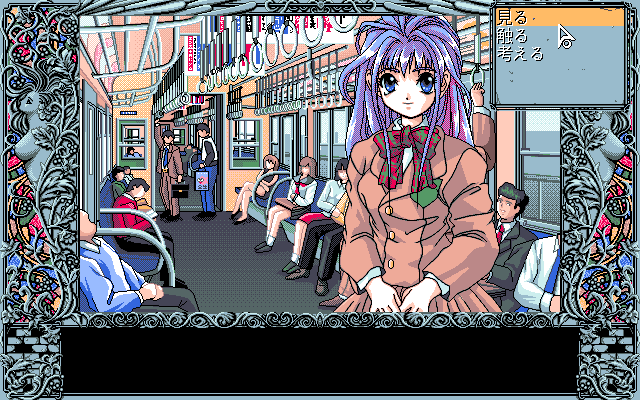
The visual presentation of Tenkōsei remains faithful to the classic Tenshitachi no Gogo aesthetic, with detailed 2D character sprites and hand‐drawn backgrounds that evoke a late‐’90s anime style. The school corridors and urban streets possess a nostalgic charm, though they occasionally appear static or reused across different scenes. Still, the game’s color palette—soft pastels against muted tones—creates a warm, inviting atmosphere that complements the romantic and erotic elements of the story.
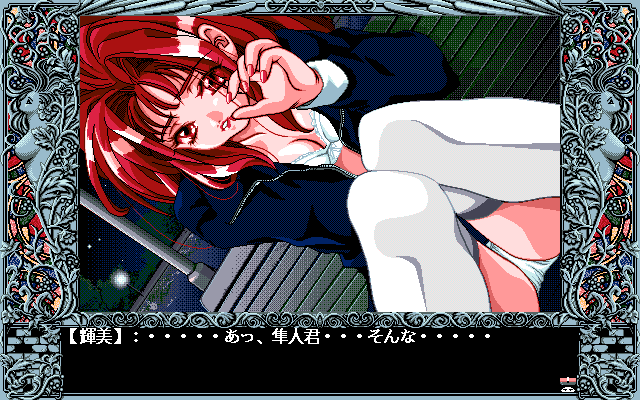
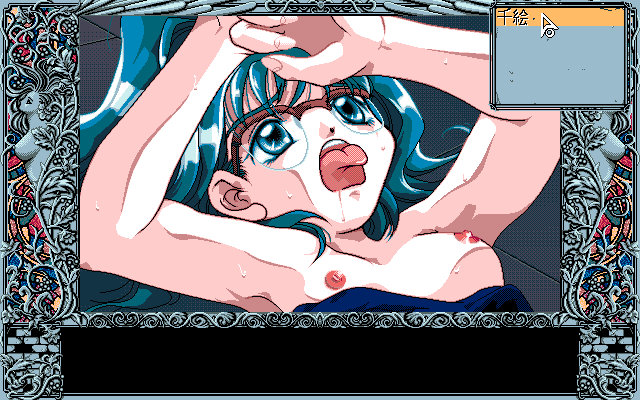
Character portraits are rendered with expressive facial features and subtle blinking animations that enhance immersion during dialogue. Each heroine has a distinct look and wardrobe reflecting her personality: from the shy classmate in glasses to the outgoing city girl in casual streetwear. While the number of unique CG illustrations is not extensive, the key event scenes are polished and well‐composed, conveying the desired mood without straying into overly explicit imagery.
Occasional scene transitions include simple fade‐ins and slide effects, which keep the pace steady without distracting from the text. There is little in the way of dynamic camera work or 3D graphics, but that minimalism aligns with the straightforward gameplay and linear narrative. Overall, the graphics in Tenkōsei serve their purpose well, providing clear character visuals and just enough environmental detail to situate you in Hayato’s new surroundings.
Story
In Tenkōsei, you step into the shoes of Hayato, a young man adjusting to life at a distant new high school. The narrative revolves around his interactions with female classmates and other women he meets in town, each encounter guided by light dialogue choices. While the overarching premise is simple—Hayato’s goal is to establish intimate relationships with as many girls as possible—the game takes its time building familiarity and emotional context before progressing to more adult scenes.
Despite the mature themes, the story generally maintains a tone of innocent discovery rather than outright erotica. Moments of humor and genuine teenage awkwardness pepper the dialogue, and the cast’s differing personalities keep conversations fresh. At times the pacing slows during repetitive exposition, yet key story events—special school festivals, chance meetings in the city, and heart‐to‐heart talks—help maintain interest and illustrate Hayato’s personal growth.
Though the plot is largely linear, short decision points can slightly alter how characters respond to Hayato. These variations rarely lead to completely new branches but do provide small rewards in character reactions or additional dialogue lines. If you’re primarily seeking branching romance drama or multiple endings, you may find the story’s structure lacking depth. However, as a character‐driven slice of life with erotic undertones, Tenkōsei offers enough narrative charm to engage players invested in its premise.
Overall Experience
Tenshitachi no Gogo: Tenkōsei delivers a concise, narrative‐focused presentation that should appeal to fans of classic Japanese dating sims and visual novels with adult content. Its lean gameplay system ensures swift progress through the story, while the absence of dead ends removes frustration and streamlines replay for those curious about minor dialogue variations. However, players looking for extensive choice outcomes or intricate gameplay mechanics might feel underwhelmed by the game’s simplicity.
On the graphics front, Tenkōsei achieves a pleasing retro anime look with expressive character art and atmospheric backgrounds. The CG scenes, though not plentiful, are well‐drawn and tastefully executed, balancing romantic tension with light‐hearted storytelling. Sound design and music—while unmentioned here in detail—also complement the mood, reinforcing key emotional moments without overpowering the dialogue.
Ultimately, Tenkōsei stands as an accessible entry in the Tenshitachi no Gogo series, prioritizing smooth narrative flow over sprawling interactivity. If you enjoy character‐driven stories, teenage romance drama, and mild erotic elements wrapped in a nostalgic visual‐novel format, this installment will likely satisfy you. However, if you demand deep branching paths, puzzle‐like gameplay, or modern 3D presentation, you may find the game’s straightforward structure too limited for extended engagement.


Reviews
There are no reviews yet.