 Retro Replay Retro Replay gaming reviews, news, emulation, geek stuff and more!

Retro Replay Review
Gameplay
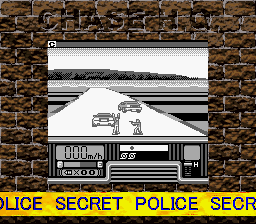
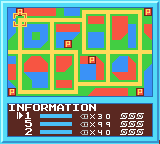
Chase H.Q.: Secret Police takes the classic high-speed chase formula and injects a strategic layer that sets it apart from its predecessors. Instead of immediately jumping into the driver’s seat, you start each of the ten stages by placing three specialized agents throughout the city grid. Deciding which agent goes where becomes a tactical puzzle—should you position your fastest agent near the freeway exit or keep your heavily armed officer close to the suspect’s most likely escape route?
(HEY YOU!! We hope you enjoy! We try not to run ads. So basically, this is a very expensive hobby running this site. Please consider joining us for updates, forums, and more. Network w/ us to make some cash or friends while retro gaming, and you can win some free retro games for posting. Okay, carry on 👍)
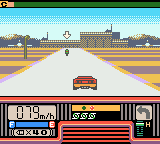
Once your units are in place, the action shifts into real time. You assume direct control of one of your agents, guiding them toward the fleeing vehicle. The moment you make visual contact, the chase transforms into a brutal clash of metal and firepower. You’ll need to balance your throttle and steering carefully to ram the suspect without spinning out. Meanwhile, limited-use turbos can help you close gaps when the suspect tries to slip away, and your on-board weapon system provides ranged options to chip away at their armor.
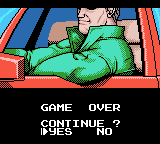
Each pursuit feels distinct thanks to varied city layouts and suspect behaviors. Some criminals attempt bold stunt jumps over highways, while others weave through crowded city centers. If the suspect manages to exit the playable city boundary, it’s instant game over—so staying alert on your minimap and predicting evasive maneuvers is crucial. These intertwined elements of strategy placement and adrenaline-fueled pursuit create a fresh twist on the arcade racing genre.
Graphics
The visuals in Chase H.Q.: Secret Police harken back to the 16-bit era, yet they exhibit remarkable clarity and detail for their time. Vehicles are rendered with crisp pixel work, and each police cruiser has a distinct silhouette that makes it easy to track during hectic chases. City streets, highways, and industrial zones are laid out with colorful tile sets that keep the environment from feeling stale across multiple stages.
Collision effects feel weighty—glass shatters convincingly, and metal crumples with satisfying animation frames when you land a perfect ram. Turbo boosts are accentuated by dynamic speed lines and a brief motion blur that conveys momentum. Gunfire sparks are bright and punchy, helping you distinguish between impact effects and accidental collisions in the heat of pursuit.
Compared to earlier entries in the Chase H.Q. series, the backgrounds here feature subtle parallax scrolling that imparts depth to city skylines and roadside scenery. While it doesn’t break any modern performance benchmarks, the game runs smoothly even when multiple agents and enemy vehicles populate the screen. This balance of style and technical stability ensures that the action never feels hindered by graphical hiccups.
Story
Storytelling in Chase H.Q.: Secret Police is lean but serviceable, delivered mostly through Dispatch voiceovers and brief mission intros. You’re informed of each suspect’s crime—whether it’s armed robbery, narcotics smuggling, or grand theft auto—and given a succinct overview of potential escape routes. This setup provides enough context to drive your motivation without bogging down the pace with lengthy cutscenes.
Character development is minimal; your officers remain silent heroes behind tinted windows. Instead, the game relies on environmental storytelling—billboards, street signs, and occasional radio chatter hint at a sprawling metropolis rife with criminal underbellies. Each stage feels like another chapter in a city-wide manhunt, and while there’s no overarching narrative twist, the escalating challenges convey a sense of rising stakes.
For players seeking a deep, character-driven plot, Secret Police might feel a bit light. However, the straightforward premise of high-risk pursuits and felony takedowns is compelling enough to keep you invested. The occasional Dispatch quip adds personality, reminding you that you’re part of an elite squad determined to rid the streets of repeat offenders.
Overall Experience
Chase H.Q.: Secret Police shines by blending strategic placement with explosive arcade action. The ten unique stages provide a measured difficulty curve, ensuring that each pursuit feels progressively more challenging without becoming unfair. Whether you’re a veteran of the series or new to the franchise, the game’s mix of brain and brawn offers a satisfying rush.
Its retro graphics and sound design evoke a nostalgic charm, while the agent-management mechanic introduces a fresh dimension that keeps sessions engaging. The balance between chasing suspects, conserving turbos, and ramming or firing on the move delivers an addictive gameplay loop that encourages multiple retries and refined tactics.
In terms of value, Chase H.Q.: Secret Police holds up as a solid pick for fans of arcade racing and action strategy hybrids. It may not boast a sprawling narrative, but its tight controls, strategic depth, and tempo make it an appealing choice for anyone craving high-speed justice. If you’ve been searching for a police pursuit game that demands both quick reflexes and thoughtful decision-making, this title is well worth your time.



Reviews
There are no reviews yet.