 Retro Replay Retro Replay gaming reviews, news, emulation, geek stuff and more!


Retro Replay Review
Gameplay
Dragon Ball Z: Gokū Hishōden delivers a unique blend of turn-based RPG strategy and real-time button prompts that keeps players on their toes. At its core, battles unfold in a command-list format where you choose to move, charge ki, punch, kick or unleash one of Goku’s signature special attacks. Once commands are entered, the action plays out automatically, giving the player a chance to sit back and watch as strategic decisions translate into action. This mixture of planning and spectacle is especially satisfying when a well-timed Kamehameha lights up the screen.
(HEY YOU!! We hope you enjoy! We try not to run ads. So basically, this is a very expensive hobby running this site. Please consider joining us for updates, forums, and more. Network w/ us to make some cash or friends while retro gaming, and you can win some free retro games for posting. Okay, carry on 👍)
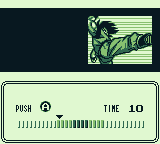
What sets the combat apart is the interactive dodging mechanic. Much like the one-point shot timing in NBA Live, you must hit a prompt at precisely the right moment to evade an incoming attack. This small but crucial element breaks up the turn-based flow, demanding your full attention during enemy phases. Successfully timing a dodge can mean the difference between a near-fatal blow and a simple scratch, making every encounter feel dynamic rather than rote.
The game also offers a dedicated tournament mode, recreating the 23rd Tenkaichi Budōkai from the original Dragon Ball series. Here, you’ll fight through a bracket of opponents, all while controlling Goku in one-on-one duels. The tournament battles play by the same RPG rules but in a more focused environment, distilling the strategy of the main campaign into intense, head-to-head matches. It’s an engaging detour that adds replay value and a nice change of pace from the story missions.
As you progress from Kami’s floating palace through training segments and ultimately to the climactic Vegeta showdown, you’ll earn experience points and unlock new techniques. The gradual learning curve ensures both newcomers and seasoned Dragon Ball veterans find something to enjoy. Couple that with the tactical depth of ki management—deciding when to charge and when to attack—and you have a combat system that rewards planning and reflexes in equal measure.
Graphics
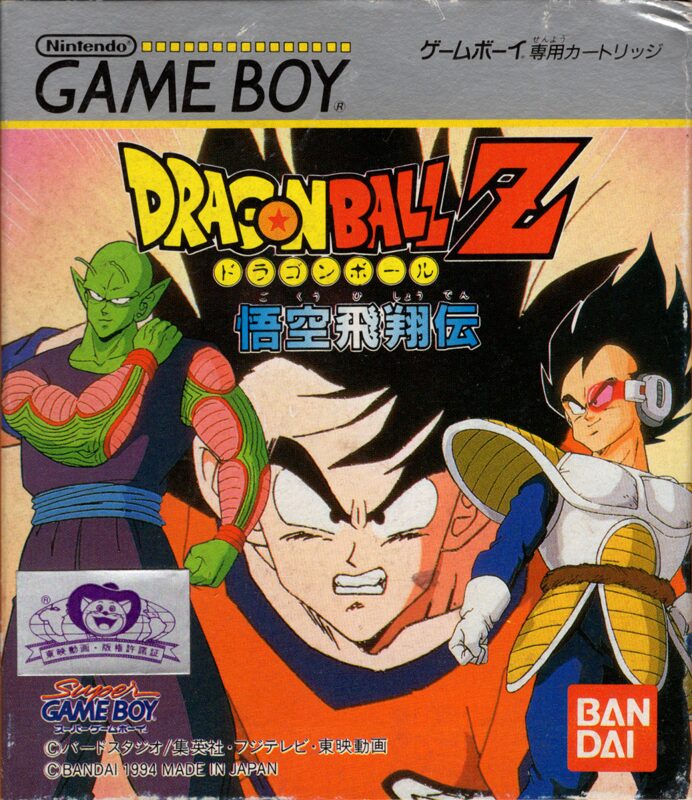
Visually, Gokū Hishōden embraces a colorful, 16-bit anime aesthetic that remains charming decades after its release. Character sprites are faithfully rendered to capture Goku’s iconic hairstyle, clothing changes, and battle stances. Enemy designs—from the ruthless Saiyan invader Vegeta to the robed figure of Kami—are all instantly recognizable and imbued with personality through expressive pixel art.
Backgrounds transport you to familiar locales such as Kami’s lookout island, the Tenkaichi Budōkai arena and barren wastelands where epic fights unfold. Each stage features vibrant palettes and parallax scrolling that give depth to the action. While limitations of the era mean you won’t see 3D models or high-definition effects, the artistry on display conveys motion and impact in a way that honors the source material.
Special attacks are accompanied by bold splash screens and dynamic animations that emphasize power and spectacle. When Goku charges his Super Kamehameha or leaps forward with a Dragon Fist, the screen fills with motion lines and energy flares. These visual flourishes elevate key moments in combat, making each special move feel like an event rather than just another menu choice.
On the downside, animations can occasionally feel repetitive if you rely on the same combo for multiple fights in a row. However, the developers mitigate this by offering a robust roster of techniques and varying enemy attack patterns. As a result, moments of déjà vu are rare, and the overall graphical presentation remains engaging from start to finish.
Story
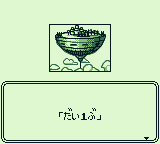
The narrative arc of Dragon Ball Z: Gokū Hishōden faithfully adapts Goku’s journey from his spiritual training with Kami up to the climactic clash with Vegeta. Early chapters place you under Kami’s tutelage in his floating palace, where you hone your fighting spirit through a series of trials. This opening sets an atmospheric tone, blending introspective moments with the thrill of martial arts practice.
As the story transitions to the invasion of the Saiyans, pacing picks up dramatically. You witness key Dragon Ball moments—reading scrolls that reveal the Saiyan threat, sparring against Homeworld foes and rallying allies—before finally locking horns with Vegeta. While the dialogue is delivered in Japanese text, those familiar with the series will appreciate the faithful dialogue and character interactions that drive the plot forward.
The inclusion of the Tenkaichi Budōkai tournament adds a fun mid-game detour that ties back directly to the manga and anime. Facing off against such memorable opponents as Tenshinhan and Piccolo in structured tournament brackets makes you feel like an integral part of Goku’s original narrative. It also provides a welcome breather from the high-stakes battles that follow.
Throughout the adventure, cutscenes and event panels effectively convey the emotional stakes of Goku’s struggle, balancing moments of camaraderie with the gravity of facing galactic threats. Even without voiced dialogue, the presentation captures the essence of Dragon Ball Z storytelling—determination, honor and the unbreakable bond between warrior and mentor.
Overall Experience
Dragon Ball Z: Gokū Hishōden offers a compelling journey for fans of the franchise and newcomers alike. Its hybrid combat system keeps battles fresh by blending strategic menu inputs with skill-based dodging prompts. Whether you’re managing ki reserves or timing the perfect block, each fight demands your full engagement. This balance of tactics and reflex-based action ensures that every skirmish feels earned and impactful.
The pacing of the campaign is well-judged, alternating between measured story beats, tournament showdowns and the final all-out war against Vegeta. This variety helps maintain momentum over the course of dozens of battles, preventing the gameplay from growing stale. Sub-modes like the Tenkaichi Budōkai also encourage repeat playthroughs, as you experiment with new strategies and techniques.
While the graphics and presentation are rooted in the early ’90s design philosophy, they still manage to charm thanks to vibrant colors, expressive sprites and dynamic special move animations. And although the game remains a Japan-only release, its intuitive battle system minimizes language barriers. Even if you can’t read every piece of dialogue, the core mechanics speak for themselves, making the title accessible to a broader audience.
In sum, Dragon Ball Z: Gokū Hishōden stands out as a creative spin on the licensed Dragon Ball formula. By focusing on strategic RPG mechanics intertwined with reflex-driven elements, it offers a fresh perspective on Goku’s most iconic battles. For collectors and Dragon Ball enthusiasts seeking a deeper, more tactical experience, this hidden gem is well worth your time and energy.



Reviews
There are no reviews yet.