 Retro Replay Retro Replay gaming reviews, news, emulation, geek stuff and more!
Retro Replay Review
Gameplay
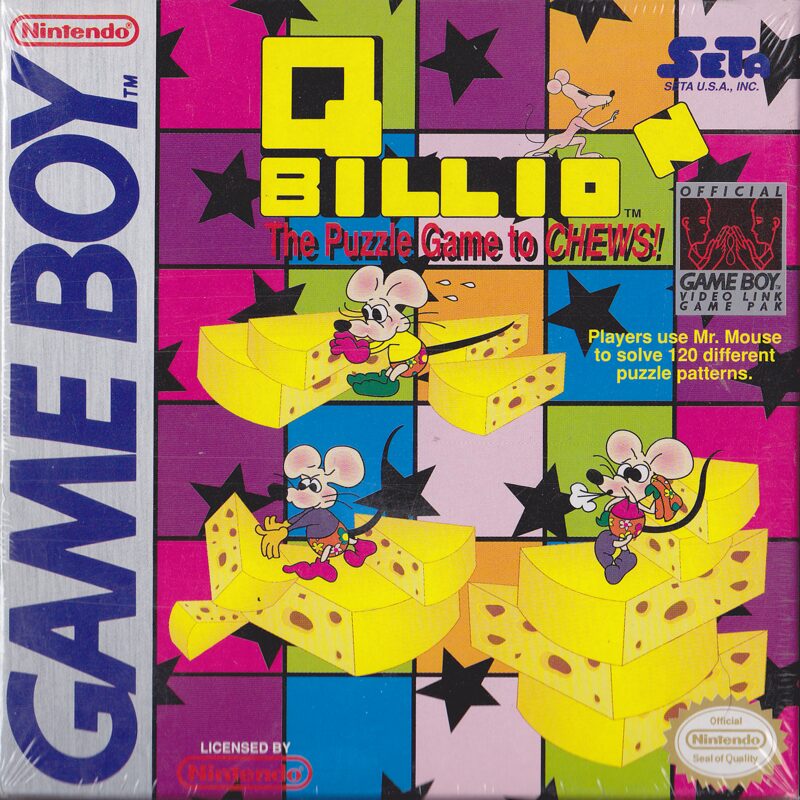
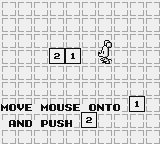
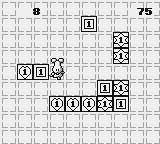
Q Billion puts you in control of a resourceful little mouse tasked with leveling stacks of tiles across a grid-based playfield. At first glance, the premise seems simple: climb onto one stack and push a neighboring, taller stack so that tiles topple off. However, the mouse’s limited strength—only able to move one tile at a time—quickly turns each level into a multilayered juggling act. Bringing a stack of three down to ground level requires careful repositioning of single tiles, temporary supports and precise timing.
(HEY YOU!! We hope you enjoy! We try not to run ads. So basically, this is a very expensive hobby running this site. Please consider joining us for updates, forums, and more. Network w/ us to make some cash or friends while retro gaming, and you can win some free retro games for posting. Okay, carry on 👍)
The real challenge emerges when stacks are separated by gaps. You’ll need to move a tile into place to create stepping stones, then ferry additional tiles around to fashion new push platforms. These maneuvers demand forward planning and spatial reasoning reminiscent of classic Sokoban puzzles. One misstep can leave you stranded several squares away from your target, forcing you to undo multiple moves or even restart the level entirely.
As you progress, Q Billion introduces special tiles marked with hearts, squares and stars. Whenever you manage to shove four matching tiles into a single column, they vanish in a satisfying chain reaction—though only the top layer disappears, leaving you to wrestle with hidden layers beneath. This match-and-eliminate twist adds a fourth dimension to the puzzle, blending purely mechanical challenges with color- and symbol-based pattern recognition.
Beyond the main campaign, a timed puzzle mode tests your speed and efficiency on pre-made levels, counting every second against you. Fast fingers and quick thinking are just as important as long-term planning here, elevating the tension in every move. Finally, the built-in level editor empowers creative players to design their own diabolical stages, share them with friends or tackle community creations for endless replay value.
Graphics
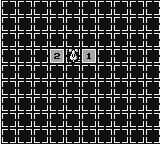
Visually, Q Billion opts for clean, minimalist aesthetics that keep the focus squarely on the puzzle at hand. Stacks of tiles are rendered with subtle shading and crisp outlines, ensuring each block’s height and symbol are immediately legible. The top-down perspective offers a clear view of the entire grid, while simple animations—tiles flipping and cascading—provide just enough flair without distracting from gameplay.
Color plays a crucial role in the interface: hearts glisten in warm reds, squares glow in cool blues and stars shimmer in bright yellows. This deliberate palette choice aids quick recognition, especially when you’re trying to line up four identical tiles in the midst of a complex juggling act. Background hues remain muted, allowing active stacks and the animated mouse to pop off the screen.
Although Q Billion doesn’t push modern hardware to its limits, its graphical style is a strength rather than a weakness. By avoiding overly detailed textures or flashy particle effects, the game maintains perfect clarity on every device—from desktops to handheld systems. A subtle depth-of-field effect and smooth, intuitive camera pans further accentuate the sense of manipulating three-dimensional objects in space.
Story
Q Billion’s narrative is refreshingly light: you are a lone mouse on a quest to flatten every tower of tiles before the timer runs out. While there’s no sprawling plot or cast of characters, the game’s whimsical premise—an underdog mouse outsmarting gravity itself—provides enough context to keep you invested. Each level feels like a new “experiment” in the mouse’s underground laboratory of tumbling blocks.
Between puzzles, brief cutscenes hint at the mouse’s motivations—perhaps hunger, curiosity or simply the thrill of the challenge. These moments are short and sweet, featuring playful animations of the mouse scuttling about, inspecting tiles and sometimes celebrating a successful clear. Though not a deep narrative experience, these interludes infuse the game with personality and a sense of progression.
For players craving a more story-driven adventure, Q Billion might feel sparse. However, the game’s focus on pure puzzle design means every minute of screen time is devoted to refining gameplay mechanics. In its own minimalist way, the narrative underscores the core theme: intelligence and perseverance can overcome even the tallest obstacles.
Overall Experience
Q Billion is a rewarding puzzle experience for anyone who enjoys cerebral challenges and methodical play. Its learning curve is gradual yet unrelenting—early puzzles teach core mechanics, while later stages demand multi-step solutions that can take minutes to plan out. Frustration is part of the fun here; solving a particularly diabolical level delivers a strong rush of satisfaction.
The game’s blend of tile-pushing, match-and-eliminate mechanics and time-attack challenges offers excellent variety. Whether you’re methodically fine-tuning your approach in the main campaign or racing against the clock in timed mode, Q Billion keeps your mind active and engaged. The level editor extends longevity by letting you craft new brain-teasers or tackle community creations long after you’ve cleared the official stages.
With its polished presentation, robust puzzle design and modest hardware demands, Q Billion is a standout title in the modern revival of Sokoban-style games. While it may not appeal to action-oriented gamers or those seeking a deep narrative, its elegant mechanics and addictive depth make it a must-play for puzzle enthusiasts. If you love testing your spatial reasoning and savoring each hard-earned victory, Q Billion is well worth your time.



Reviews
There are no reviews yet.