 Retro Replay Retro Replay gaming reviews, news, emulation, geek stuff and more!


Retro Replay Review
Gameplay
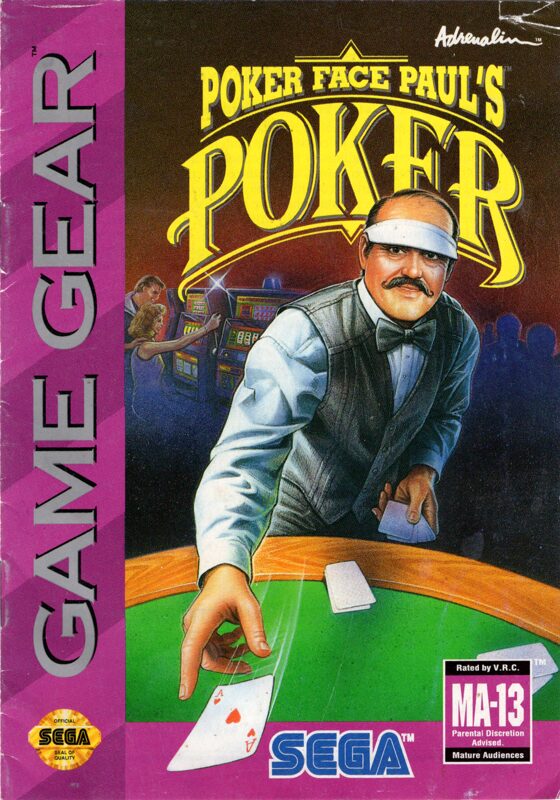
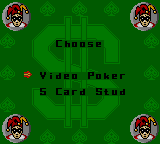
Poker Face Paul’s Poker offers two distinct modes that cater to both traditional poker enthusiasts and solo players looking to sharpen their skills. In the 5 Card Stud mode, you face off against a table of computer-controlled opponents, each programmed with varying betting patterns, bluff frequencies, and risk tolerances. The pacing here is steady and deliberate—you’ll place your bets, receive your cards one at a time, and decide whether to fold, call, or raise based on the strength of your hand and your read on the AI players.
(HEY YOU!! We hope you enjoy! We try not to run ads. So basically, this is a very expensive hobby running this site. Please consider joining us for updates, forums, and more. Network w/ us to make some cash or friends while retro gaming, and you can win some free retro games for posting. Okay, carry on 👍)
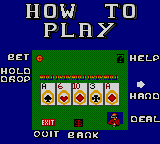
The Video Poker mode shifts the focus entirely onto you and your hand. There are no opponents to bluff or outplay; instead, you’re given a fixed amount of virtual credits and must build the best hand possible to maximize your payout. This version is a great way to practice hand-ranking strategy without the psychological element of reading opponents, yet it still rewards smart decision-making and calculated risks.
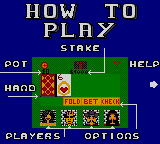
Both modes include clear, on-screen instructions and tooltips to guide newcomers through basic poker concepts such as betting rounds, pot calculations, and hand hierarchies. The tutorial is concise but comprehensive, covering everything from how to recognize a straight flush to when it might be smarter to fold and preserve your bankroll. Whether you’re a poker veteran or a complete beginner, Poker Face Paul’s Poker strikes a fine balance between accessibility and challenge.
Graphics
Visually, Poker Face Paul’s Poker opts for a clean, straightforward presentation. The virtual poker table is rendered in soft greens and browns, evoking the ambiance of a classic casino card room. Card faces and back designs are crisp and easily distinguishable, ensuring you never misread a suit or value under pressure. Simple animations—like chips stacking or cards sliding across the table—add a touch of polish without wasting time on superfluous visual flourishes.
Character portraits of your opponents in the 5 Card Stud mode are stylized but expressive, each sporting a distinct personality that comes through in their facial expressions and chip-count displays. While these avatars aren’t hyper-realistic, they create enough variety to keep you engaged, especially when you notice a rival folding at just the wrong moment. Subtle lighting effects highlight winning hands and dramatic reveals, making key moments feel a bit more cinematic.
The user interface is intuitive: betting sliders, action buttons, and menus are all clearly labeled and responsive. Audio cues—such as the shuffle of cards or the clang of chips—are synchronized with on-screen action, reinforcing key gameplay moments without becoming repetitive or distracting. Overall, the graphics and presentation serve the game’s core poker experience rather than overshadowing it.
Story
Unlike role-playing or adventure titles, Poker Face Paul’s Poker doesn’t rely on an elaborate narrative arc. Instead, it weaves atmosphere and personality through its titular host, Poker Face Paul, whose wry commentary punctuates every hand. Paul’s banter ranges from congratulatory quips when you hit a winning flush to playful taunts when you fold too early. This lighthearted approach keeps the mood relaxed and adds a personal touch to what might otherwise be a purely mechanical card game.
Between hands, short text snippets provide backstory on Paul’s poker journey—how he learned to bluff at summer fairs, the high-stakes tournament he once entered by accident, and his credo that “a cool head wins more pots than a hot hand.” While these anecdotes are brief and secondary to gameplay, they inject just enough flavor to make you feel you’re part of Paul’s world rather than simply dealing with a faceless interface.
The lack of a deep, branching storyline means your progression is measured by your bankroll and your ability to outplay the AI or beat the video poker odds. Yet those who enjoy a bit of narrative context will appreciate the small moments of charm sprinkled throughout—particularly when Paul reveals a new tip or reflects on an infamous game of his past. It’s a lightweight story layer that supports rather than distracts from the heart of the game.
Overall Experience
Poker Face Paul’s Poker is a solid pick for anyone wanting a focused, well-polished poker title on their console or PC. The dual-mode structure ensures you can switch between the psychological thrill of heads-up 5 Card Stud and the solitary challenge of video poker, depending on your mood and skill level. The learning curve is gentle, thanks to robust tutorials and helpful in-game hints, making it just as suitable for newcomers as it is for experienced card sharks.
Replay value is high, especially if you enjoy chasing incremental improvements in your win rates or bankroll totals. AI opponents exhibit enough variability in playstyle to keep each 5 Card Stud session feeling fresh, while the payouts in video poker encourage strategic decision-making as you balance risk and reward. Whether you’re looking to burn an afternoon or settle in for a long poker marathon, the pacing and structure adapt to your play habits.
Ultimately, Poker Face Paul’s Poker delivers a straightforward yet engaging card gaming experience. It doesn’t reinvent the wheel, but it refines what works best in digital poker: clear visuals, responsive controls, varied gameplay modes, and a dash of character-driven humor. If you’ve been searching for a lightweight poker title that’s both approachable and deceptively deep, Poker Face Paul’s Poker is well worth your ante.



Reviews
There are no reviews yet.