 Retro Replay Retro Replay gaming reviews, news, emulation, geek stuff and more!

Retro Replay Review
Gameplay
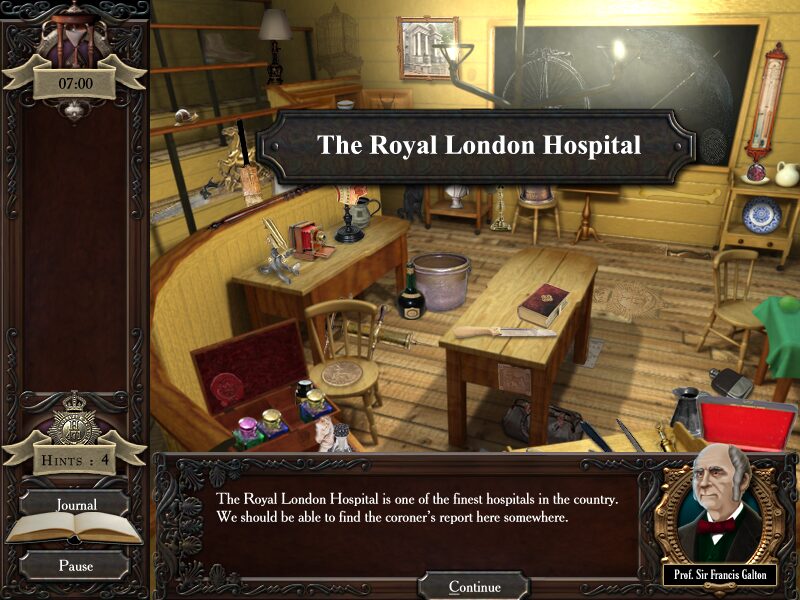
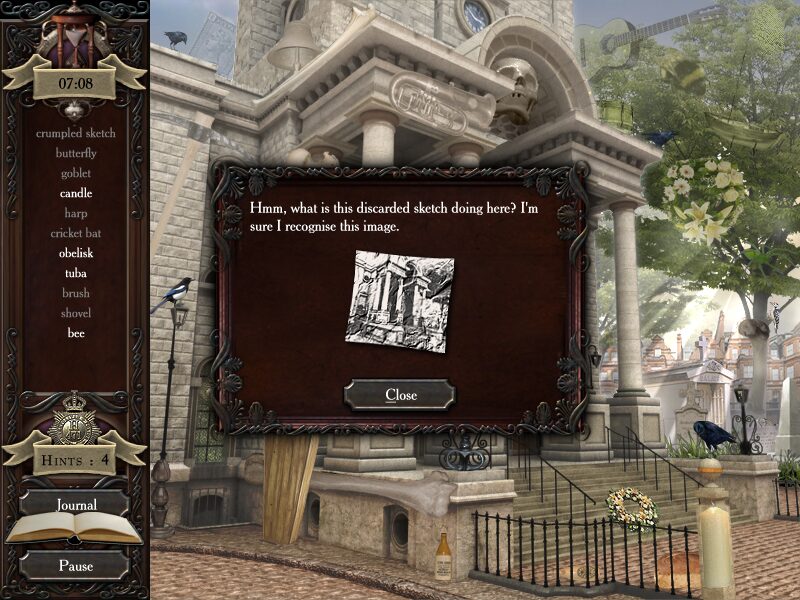
Real Crimes: Jack the Ripper centers around classic hidden-object gameplay, tasking players with uncovering vital clues in meticulously rendered Victorian scenes. As Chief Constable Melville Macnaghten and forensic scientist Francis Galton, you methodically scan each grim location—from gaslit alleyways to dingy tenements—seeking items listed on the screen’s sidebar. The satisfaction of spotting that one elusive object among piles of period-appropriate detritus is complemented by an intuitive interface that keeps frustration at bay.
(HEY YOU!! We hope you enjoy! We try not to run ads. So basically, this is a very expensive hobby running this site. Please consider joining us for updates, forums, and more. Network w/ us to make some cash or friends while retro gaming, and you can win some free retro games for posting. Okay, carry on 👍)
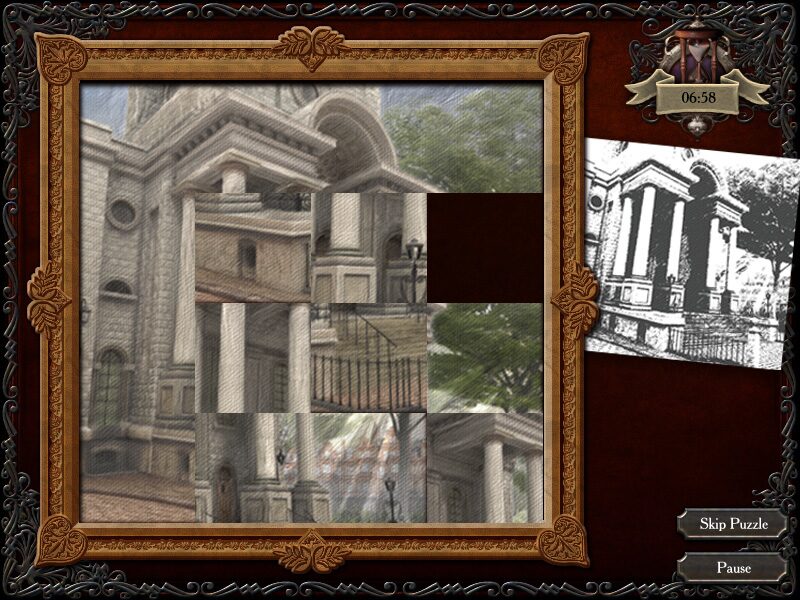
Between the scenic searches, the game spices up the investigation with a variety of mini-games that test different skills. You’ll piece together a shredded letter in a jigsaw-style challenge, slide tiles to restore torn photographs, spot subtle differences between near-identical crime scene images, and even match up tarot card pairs in a memory game. These diversions not only break up the pacing of the hidden-object segments but also reinforce critical evidence, weaving gameplay mechanics directly into the narrative of the investigation.
Real Crimes offers two difficulty settings to suit both newcomers and veterans of the genre. Rookie Mode removes the ten-minute time limit in each scene, allowing for a more relaxed, explorative experience ideal for those who prefer to take in every atmospheric detail. Detective Mode adds tension with a ticking clock, and the chance to collect fingerprint tokens to extend your allotted time. Meanwhile, police badge collectibles reward thorough searches by granting extra hints—perfect for players who want just a little nudge when the objects blend seamlessly into the background.
Graphics
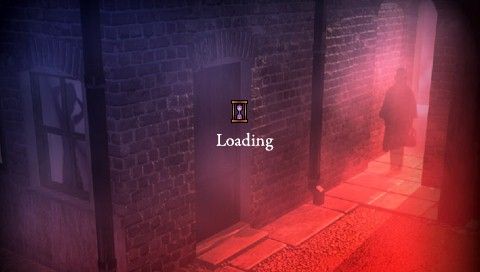
The visual presentation of Real Crimes: Jack the Ripper vividly evokes the somber mood of 1888 London. Each scene is hand-painted with careful attention to period detail: gas lamps casting an amber glow, wooden barrels and crates strewn about foggy streets, and the threadbare clothing of the era draped across mannequins in a tailor’s shop. The color palette leans heavily on muted browns, grays, and sepias, reinforcing the grim reality of a city gripped by fear.
Character portraits and cut-scene illustrations are equally well-executed, employing subtle facial expressions to convey the gravity of the investigation. When examining a clue, a centered pop-up window provides a closer look at the item, complete with a descriptive caption that ties it back to the case. These close-ups feel polished and provide enough detail to satisfy both casual observers and forensic-minded sleuths.
While the art style shines in its authenticity, the occasional object can be so well hidden that it blends into the background more than necessary—especially in Detective Mode. However, the hint system (represented by collectible police badges) strikes a fair balance, ensuring you’re never stuck for long. Overall, the graphics are a standout in the hidden-object genre, skillfully transporting you to a bygone era rife with intrigue and danger.
Story
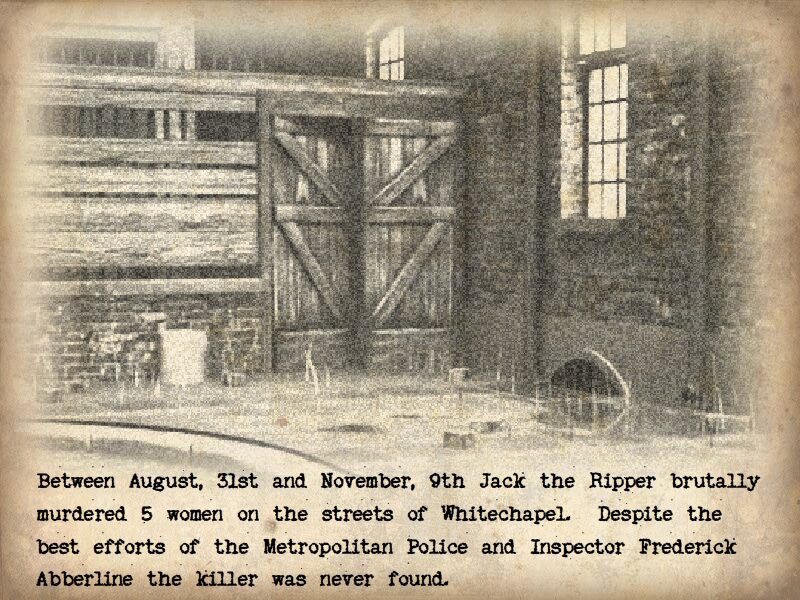
Real Crimes: Jack the Ripper draws its narrative from one of history’s most infamous unsolved serial murder cases. You step into the shoes of Melville Macnaghten, the Chief Constable who compiled Scotland Yard’s final report, and the renowned forensic scientist Francis Galton. Together, you retrace the brutal slayings of five women between August and November of 1888, examining scenes and suspects in a quest to uncover the truth.
The game weaves historical detail into every interaction, from examining bloodstained shawls in the Whitechapel district to decoding taunting letters purportedly penned by the killer. As you progress, in-game annotations reveal Macnaghten’s real-world observations and Galton’s pioneering fingerprint analysis, lending an educational dimension to the unfolding drama. These narrative snippets serve to deepen your immersion, reminding you that you’re retracing steps that once confounded law enforcement.
Despite the absence of a fully voiced cast, the written dialogue and descriptive text convey a dark, suspenseful atmosphere. Occasional character interactions—such as consulting with a local constable or debating theories with Galton—add emotional weight to your discoveries. By the time you sift through the final scene and review the collected evidence, you’ll feel a genuine connection to the historical figures who first grappled with the shadowy menace of Jack the Ripper.
Overall Experience
Real Crimes: Jack the Ripper delivers a compelling mix of methodical hidden-object searches and engaging mini-games, all set against the palpable dread of Victorian London’s most notorious unsolved case. Whether you’re a fan of crime history or simply enjoy atmospheric puzzle titles, the game’s balance of challenge and accessibility makes for an engrossing detective experience.
Its strengths lie in the authentic setting, variety of investigative tasks, and thoughtful integration of historical detail. The dual difficulty modes mean both casual players and hardcore sleuths can tailor their experience, while the collectible hint system ensures no puzzle proves impossible. Though some scenes may require a practiced eye to navigate, the game’s rewarding progression keeps momentum alive until the climactic reveal.
In sum, Real Crimes: Jack the Ripper stands out as a polished hidden-object adventure that respects its true-crime roots. It offers a richly layered look at one of history’s most chilling mysteries, wrapped in sleek gameplay that both novices and genre veterans will appreciate. For anyone intrigued by Victorian forensics or classic point-and-click investigations, this title is worth adding to your shelf.



Reviews
There are no reviews yet.