 Retro Replay Retro Replay gaming reviews, news, emulation, geek stuff and more!
Retro Replay Review
Gameplay
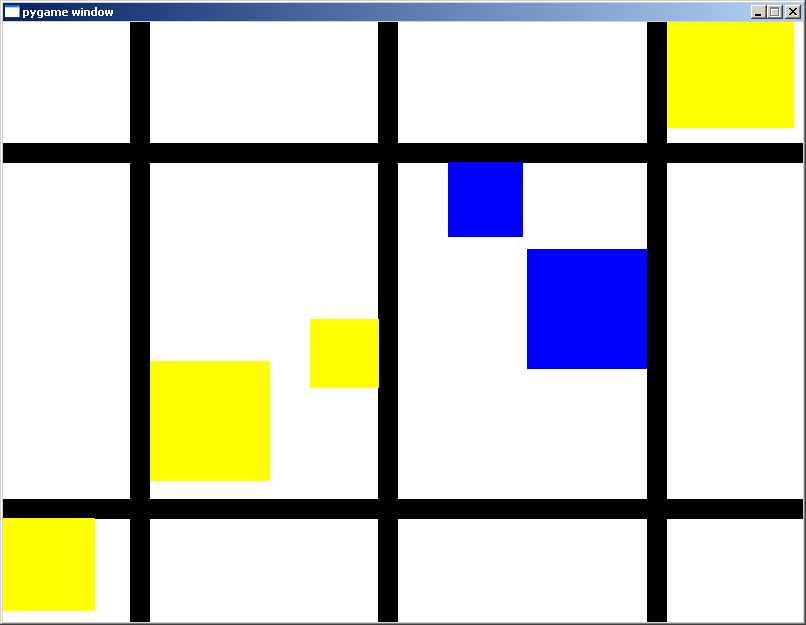
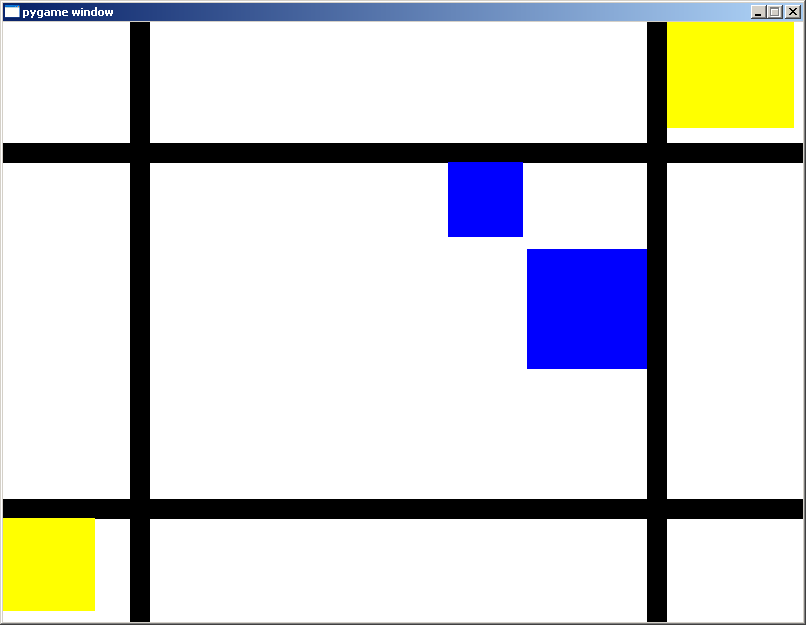
Mondrian reinvents the click-and-grow puzzle formula by embracing the minimalist principles of Neo-Plasticism. At the start of each level, flat-shaded squares of varying sizes and hues are neatly framed by bold black lines. The core mechanic is elegantly simple: click any line to remove it, allowing adjacent squares to expand until they encounter another barrier or square. This restraint in player input contrasts beautifully with the emergent complexity of shapes on-screen.
(HEY YOU!! We hope you enjoy! We try not to run ads. So basically, this is a very expensive hobby running this site. Please consider joining us for updates, forums, and more. Network w/ us to make some cash or friends while retro gaming, and you can win some free retro games for posting. Okay, carry on 👍)
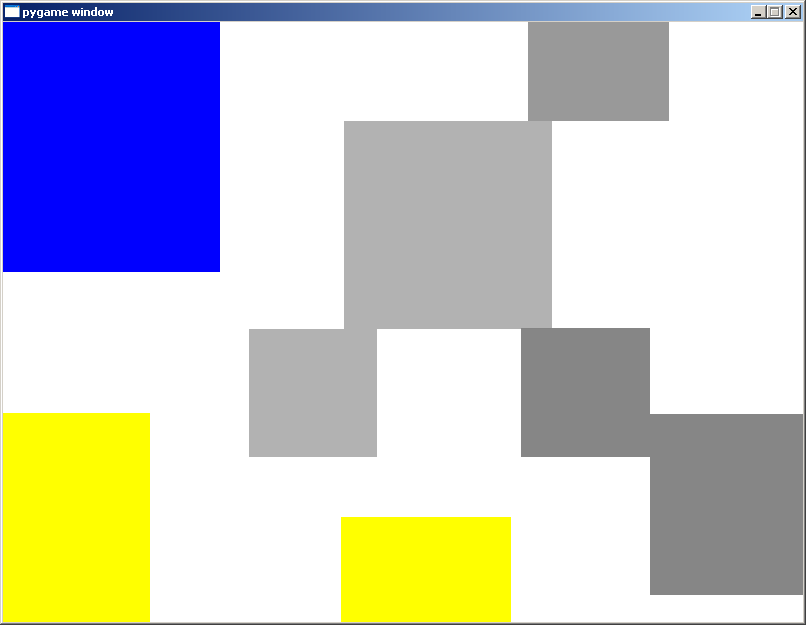
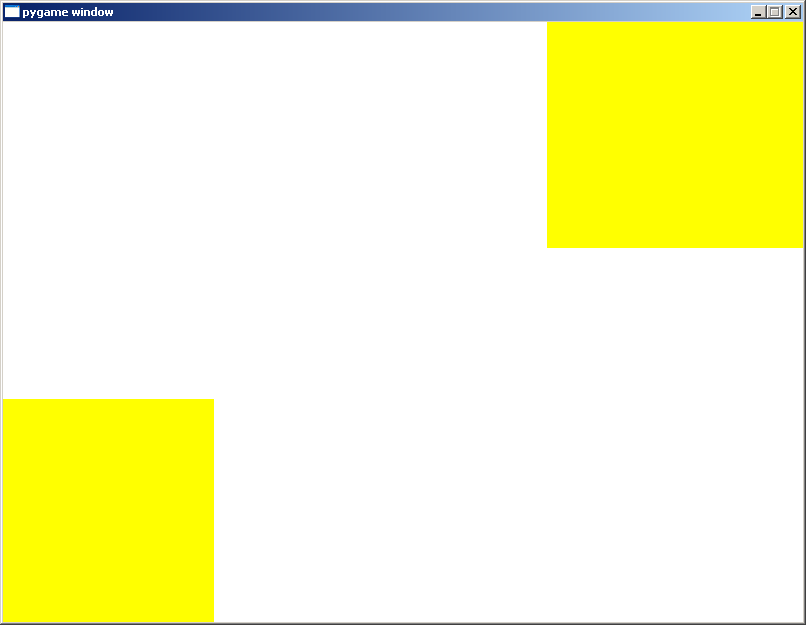
Matching dynamics hinge on precision and foresight. When two growing squares of the same color collide, they vanish—rewarding the player with a clean slate for the next challenge. However, a misstep causes mismatched colors to merge into inert gray blocks, instantly dooming the level. This high-stakes tension transforms each click into a strategic decision, as players must visualize how the grid will evolve before making a move.
The inclusion of intersection clicks—where two black lines meet—adds another layer of depth. Removing intersecting lines can trigger chain reactions that reshape the entire layout, often in unpredictable ways. Mastering these advanced maneuvers is key to maintaining momentum through Mondrian’s ten levels, each more intricate than the last. The upward progression feels neither rushed nor draggy; it strikes a balance that keeps the player engaged from the first color pop to the final vanishing act.
Complementing the tactile puzzle play is a thoughtful audio design. A harmonious abstract soundscape responds to each square’s expansion and collision, turning every level into a kinetic audiovisual composition. Rather than just a backdrop, the music serves as a feedback mechanism—soothing when moves are safe, tense when the grid teeters on chaos. This synergy of sight and sound elevates what could have been a dry strategy exercise into a meditative creative experience.
Graphics
Mondrian’s visual fidelity is a direct homage to Piet Mondrian’s signature Stijl aesthetic, foregoing the softer edges and varied textures of its predecessor, Mondrian Provoked. Here, every square is a pristine block of color—red, blue, yellow, or white—separated by razor-sharp black grid lines. The result is a gallery-quality presentation that feels less like a video game and more like an interactive art installation.
The minimalist palette isn’t just for show; it serves a gameplay purpose. By reducing visual noise, the game ensures that players’ focus remains on the dynamics of square growth and collision. Subtle shading cues on each square provide depth, helping players judge expansion speeds and anticipate impacts. Animations are smooth and purposeful, with each frame reinforcing the illusion of organic growth within a rigid geometric framework.
On modern hardware, Mondrian runs at a consistent 60 frames per second, preserving the fluidity of both motion and music. Transitions between levels are handled with a quick dissolve effect that echoes the act of painting over a canvas. While there are no particle effects or environmental backdrops, the purity of the design feels intentional—every detail has been stripped to essentials, in true De Stijl fashion.
For fans of abstract art or those seeking a clean, distraction-free UI, Mondrian’s visual approach is a refreshing departure from the cluttered menu systems and HUDs common in puzzle games. Colorblind options are available, adjusting hues to maintain contrast and accessibility without compromising the original artistic vision. The result is a universally appealing graphic style that looks as sharp on a handheld screen as it does on a big-screen TV.
Story
Mondrian is not a narrative-driven title, and it makes no apology for it. Instead of weaving a tale through cutscenes or character arcs, the game delivers its thematic content purely through abstract form. Each level reads like a new composition by the player’s hand, letting you “write” your own story in blocks of color and line.
The absence of traditional storytelling may leave those craving lore or character development wanting more, but the game’s minimalist creed extends to this design choice. By stripping away narrative trappings, Mondrian focuses entirely on player agency: every click is both an action and a narrative beat. In a sense, the story you experience is your own progression from chaos to order, level by level.
Subtle nods to Piet Mondrian’s artistic philosophy appear in the way the gameplay unfolds. The pacing mirrors his gradual move toward pure abstraction—first simple grids, then increasingly complex intersections of space and color. While there’s no text or spoken word to guide you, the structure itself conveys an artistic journey that resonates on a conceptual level.
For those who equate storytelling with measured pacing and thematic cohesion, Mondrian offers a different kind of narrative: one told through design consistency and evolving challenge. It may not feature heroes or villains, but it narrates a satisfying arc of mastery, inviting players to reflect on how constraints can spark creativity rather than stifle it.
Overall Experience
As a whole, Mondrian succeeds in marrying art and gameplay into a seamless, contemplative package. Its restraint—both visually and mechanically—refreshes a genre often crowded with gimmicks and flashy effects. By focusing on a singular, elegantly executed concept, the game delivers a cohesive experience that feels both innovative and timeless.
Replay value is surprisingly robust. While optional time challenges and move-limited modes could have enhanced longevity, the core ten-level campaign already offers a structured progression that scales well. For completionists seeking extra difficulty, the game’s sandbox-style level editor allows for endless custom arrangements—a community-driven lifeline for those who solve the official puzzles too quickly.
Mondrian’s meditative pace makes it ideal for short bursts on a coffee break or longer sessions when you want to disconnect and focus. The learning curve is gentle, but the interplay of colors and collisions ensures you’re never short on strategic depth. Whether you’re an art aficionado or just in search of a clean, intellectually stimulating puzzle game, Mondrian provides a uniquely satisfying blend of form and function.
Ultimately, Mondrian delivers more than just puzzles—it offers an interactive homage to one of the 20th century’s most influential artists. Its clever ruleset, distilled aesthetic, and elegant audio feedback combine to create a standout title in the crowded puzzle genre. For anyone intrigued by the idea of “playing a painting,” Mondrian is the consummate statement piece.


Reviews
There are no reviews yet.