 Retro Replay Retro Replay gaming reviews, news, emulation, geek stuff and more!

Retro Replay Review
Gameplay
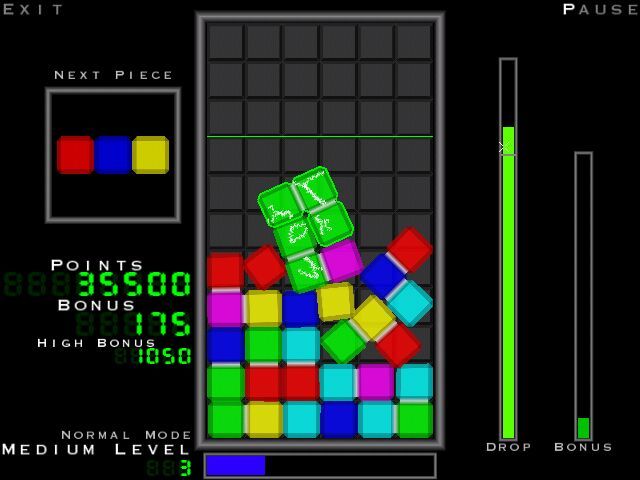
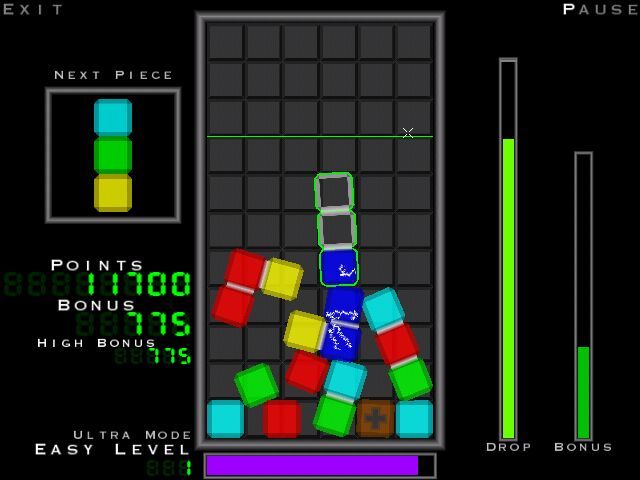
Triptych takes the familiar “drop objects and make them disappear” premise and injects it with a lively physics engine that completely transforms the puzzle genre. Instead of the classic tetromino shapes, you deal with triminos—three-block pieces whose cells come in various colors. The core objective remains chaining three or more same-colored cells to clear them from the board, but the freedom to push, shove, toss, and spin each trimino adds a whole new layer of tactical depth.
(HEY YOU!! We hope you enjoy! We try not to run ads. So basically, this is a very expensive hobby running this site. Please consider joining us for updates, forums, and more. Network w/ us to make some cash or friends while retro gaming, and you can win some free retro games for posting. Okay, carry on 👍)
At first glance, the controls might feel unconventional for long-time Tetris fans, but the intuitive design quickly becomes second nature. You can gently nudge a piece into place or deliver a precise flick to rotate it midair. This flexibility encourages experimentation: sometimes a casual shove can set up a massive chain reaction, while other times a carefully calculated throw yields the highest combo bonus. The physics model rewards creativity as much as it does quick thinking.
As triminos rain down, the playfield evolves into a dynamic sandbox. You’ll learn to leverage gravity, bounce pieces off the walls, and even topple existing clusters to engineer spectacular cascading clears. With each level ramping up in speed and complexity, Triptych strikes a satisfying balance between reflex-driven hustle and deliberate, strategic planning.
The game also offers a variety of modes to keep you engaged. In the standard marathon, you face an ever-accelerating challenge. Time Attack tasks you with maximizing your score within a strict time limit. For those seeking a more relaxed pace, the Puzzle Mode poses pre-built scenarios that require clever placement and judicious use of the physics engine to solve. Together, these modes cater both to competitive high scorers and players who savor a thoughtful puzzle experience.
Graphics
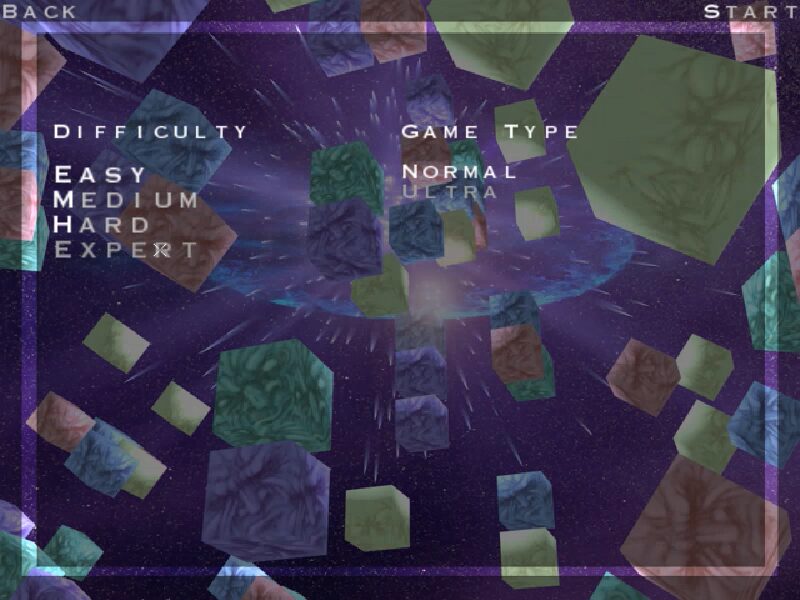
Visually, Triptych leans into a clean, minimalist aesthetic that keeps your focus squarely on the colored cells and their interactions. Each trimino is sharply defined, and the contrast between the vibrant cell hues and the dark background ensures that every potential match pops off the screen. This clarity is crucial when split-second decisions hinge on correctly identifying and manipulating shapes under pressure.
Particle effects accompany each successful clear, showering the board with sparkling lights that underscore the satisfaction of a well-executed combo. The animation is smooth, with no hint of stutter even during the most frenetic chain reactions. Watch as blocks tumble, shatter, and collide—the realistic physics lends a tactile sense of weight to every piece, enhancing the sensory feedback in a genre often dominated by purely digital cues.
The user interface is equally streamlined. All essential information—the next trimino preview, current score, combo meter—occupies minimal space around the edges, leaving the central playfield uncluttered. Subtle UI animations signal milestones like level-ups or streak bonuses, providing just the right amount of encouragement without being intrusive.
Story
True to its arcade roots, Triptych doesn’t burden you with a sprawling narrative. Instead, it offers an abstract backdrop, presenting each mode as a node in a larger “puzzle network” you’re gradually unlocking. This sparse framework frees the gameplay from distractions, letting you dive straight into the action without cutscenes or lore dumps.
That said, there’s a faint atmospheric thread woven through the music and visuals—a hint of climbing through digital realms or battling gravity itself. Each mode’s soundtrack is an understated electronic score that evolves as your combos build, lending a sense of momentum and, occasionally, tension. While the story is minimal, the mood-setting audio-visual cues cultivate a subtle sense of progression and accomplishment.
For players craving a stronger narrative hook, the lack of character development might feel like a missed opportunity. However, in a genre defined by fast-paced puzzle solving, Triptych’s decision to streamline—or nearly omit—the story allows its core mechanics to shine without compromise.
Overall Experience
Triptych stands out in the crowded puzzle landscape by marrying the addictive simplicity of color-matching with an engaging physics sandbox. The drop-and-clear formula is instantly recognizable, yet the ability to toss, twist, and topple triminos ensures that every session feels fresh. Whether you’re chasing an all-time high score or meticulously solving preset puzzles, the game’s mechanics provide endless emergent moments.
The title’s polish is evident in its responsive controls, fluid animations, and coherent design language. Even newcomers to the genre will find the learning curve welcoming, guided by clear tutorials and a gentle difficulty ramp. Veterans seeking high-speed carnage or complex chain-building will appreciate the depth that emerges as you master the physics engine.
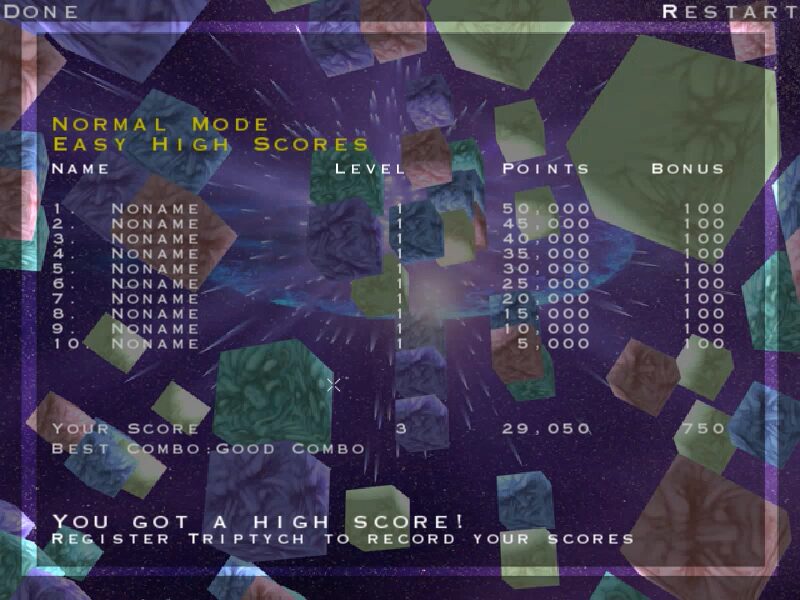
Replayability is another strong suit. Daily challenges, unlockable puzzle packs, and online leaderboards keep you coming back for more, while the concise session length makes it easy to jump in for a quick round or settle in for a marathon. The variety of modes ensures that Triptych can be as leisurely or as intense as you choose.
Ultimately, Triptych is a refreshing twist on classic block-dropping gameplay. Its ambitious physics model and thoughtful design breathe new life into a time-honored formula, making it a must-try for puzzle aficionados and casual gamers alike. If you’re in the market for a title that balances strategic depth with kinetic fun, Triptych delivers an experience that’s both familiar and delightfully unpredictable.


Reviews
There are no reviews yet.