 Retro Replay Retro Replay gaming reviews, news, emulation, geek stuff and more!
Retro Replay Review
Gameplay
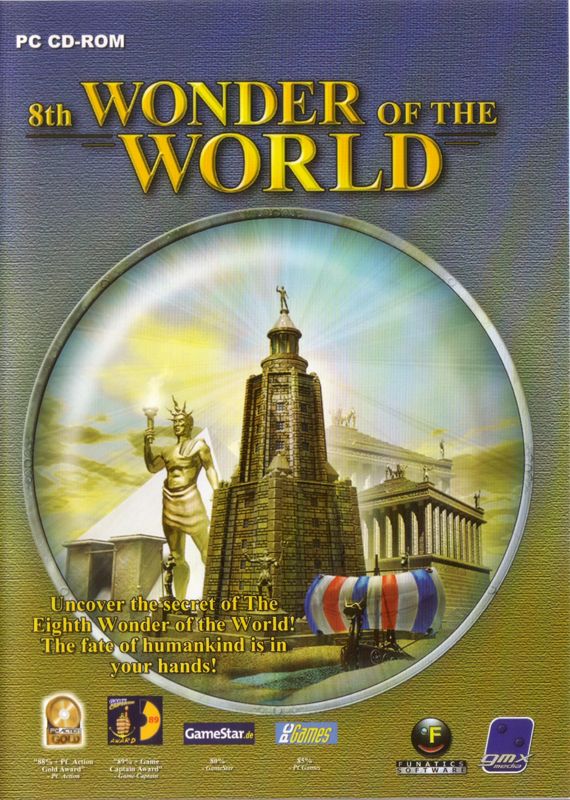
8th Wonder of the World builds on the tried-and-true foundations of the Cultures series, presenting a familiar yet refined city-building and real‐time strategy experience. You begin each mission by selecting a plot of land and laying out production chains: foresters gather wood, sawmills process it into planks, and carpenters shape it into tools or housing. The elegant cycle of resource gathering, processing, and consumption forms the beating heart of the game, and veteran players will feel right at home orchestrating complex supply lines to keep their settlement humming.
(HEY YOU!! We hope you enjoy! We try not to run ads. So basically, this is a very expensive hobby running this site. Please consider joining us for updates, forums, and more. Network w/ us to make some cash or friends while retro gaming, and you can win some free retro games for posting. Okay, carry on 👍)
What sets this installment apart is the mission structure. Rather than focusing on military conquest, most of the eight scenarios challenge you to solve diplomatic or logistical tasks—organizing a grand mayoral summit, saving dwindling food supplies or crafting a tribute to win another tribe’s favor. These nonviolent objectives add a welcome layer of variety and force you to rethink your approach. Success comes not by building the biggest army, but by juggling resources, reputation and timing in equal measure.
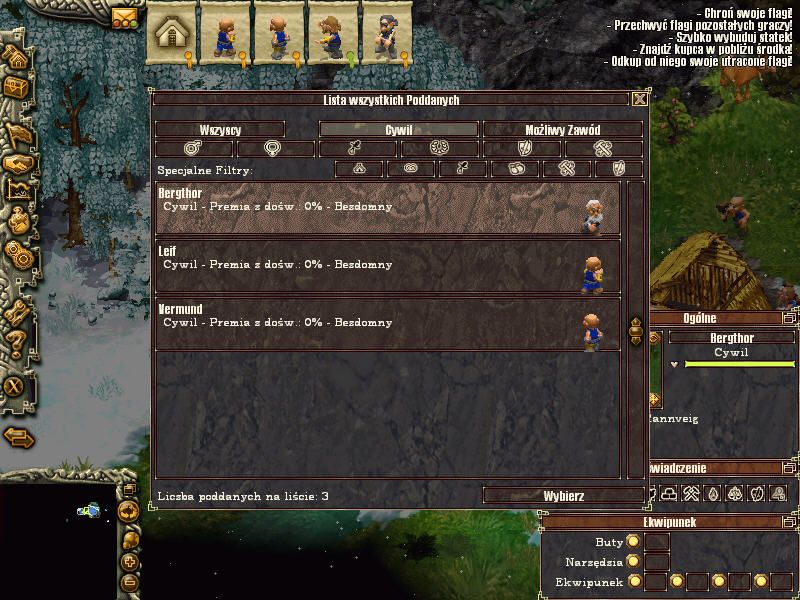
The new AI assistant is a real game-changer for those who dread micromanagement. With a few clicks you can delegate routine tasks—such as restocking warehouses, assigning workers to idle posts, or balancing production quotas—letting you focus on high-level strategy. This system is fully customizable, so if you still enjoy hand-crafting every detail, it’s easy to turn it off. Overall, the gameplay loop feels polished, accessible to newcomers and deep enough to satisfy longtime strategy fans.
Graphics
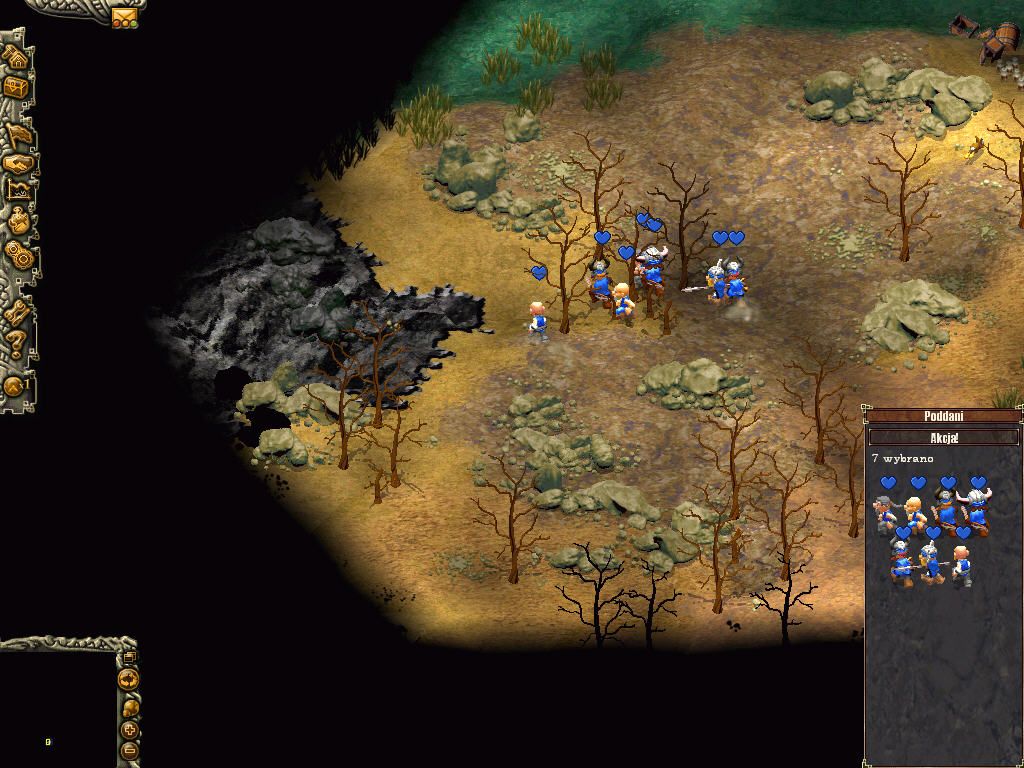
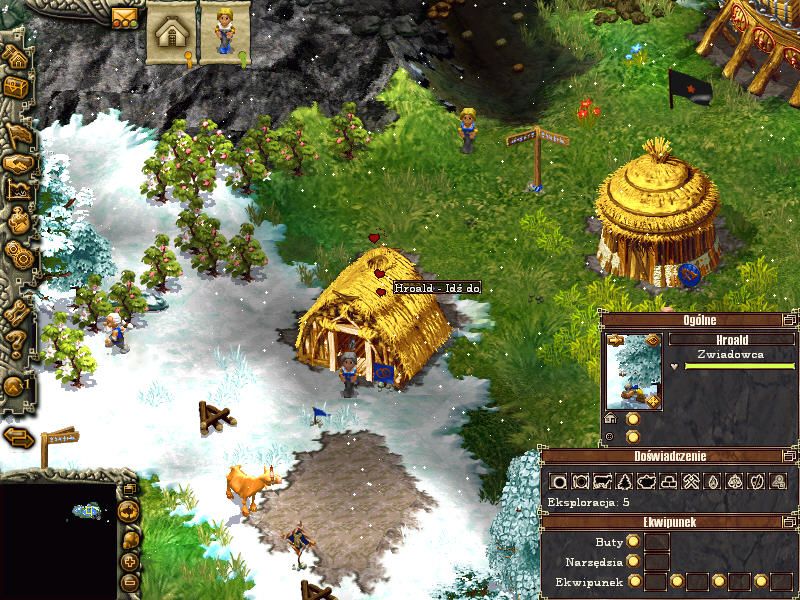
Visually, 8th Wonder of the World retains the colorful, almost storybook aesthetic of its predecessors, but it introduces more detailed character models and richer environmental textures. Vikings, farmers and Egyptian laborers now sport distinct outfits and facial features, making it easier to identify who is who at a glance. Buildings and foliage receive additional polygons and dynamic shadows, lending depth to each settlement.
The water effects deserve special mention. Rivers, lakes and coastal shores glisten under the sun, their surfaces rippling realistically around docked longboats or wooden bridges. Day-night cycles and dynamic weather further enhance immersion—rain gently darkens wooden roofs, while sunrise casts long shadows over farmland. These touches may seem minor, but they contribute significantly to the overall atmosphere.
Cinematic cutscenes are sprinkled between missions to advance the story, and they feature fluid animations and vibrant color palettes. The Egyptians, introduced for the first time in this entry, are presented with a palette of sandy golds and deep blues, contrasting against the earthy tones of the Viking homelands. While the game doesn’t push hardware to its limits, it strikes a fine balance between performance and visual charm.
Story
The narrative picks up in the Cultures Universe just a couple of years after the events of Northland. Bjarni the Viking and his loyal comrades have returned to their homesteads, living peacefully with families and friends. This calm doesn’t last long, as an unknown evil force begins to sow discord among the various tribes, spreading war, hatred, and dark magic.
From the very first mission, you sense a growing tension: neighbors once bound by trade now regard each other with suspicion. Bjarni must travel between Viking villages, Egyptian oases and Nordic strongholds, gathering allies and unraveling the mystery behind this new menace. The writing strikes a good balance between lighthearted banter—complete with jaunty folk tunes—and high-stakes drama as the world teeters on the brink of chaos.
Although the core plot follows a fairly familiar hero’s journey, side characters and tribal leaders are given momentary spotlight scenes that deepen the lore. Whether negotiating with an Egyptian pharaoh or repairing relations between two feuding chieftains, you feel genuinely invested in the outcome. It’s a satisfying weave of humor, politics and fantasy that keeps you engaged through all eight missions.
Overall Experience
8th Wonder of the World offers a welcome fusion of classic city-builder mechanics and fresh strategic objectives. The balanced learning curve ensures that newcomers can quickly grasp production cycles, while veterans will appreciate the nuanced resource juggling and mission design. The AI assistant’s optional automation is one of the most user-friendly implementations we’ve seen in the genre.
While the game steers clear of full-blown warfare, the diplomatic and economic challenges are no less intense. Each task feels meaningful, and the varied mission goals prevent the late game from feeling repetitive. Fans of Cultures will relish the return of beloved characters and the addition of Egyptian culture, while anyone seeking a thoughtful, nonviolent strategy title will find plenty to love.
In summary, 8th Wonder of the World is an engaging, polished entry in the Cultures saga that offers depth, charm and strategic variety. Whether you’re building a bustling Viking village or forging diplomatic ties with distant desert tribes, the game delivers a gratifying, well-rounded experience that’s sure to delight both newcomers and series veterans alike.


Reviews
There are no reviews yet.