 Retro Replay Retro Replay gaming reviews, news, emulation, geek stuff and more!



Retro Replay Review
Gameplay
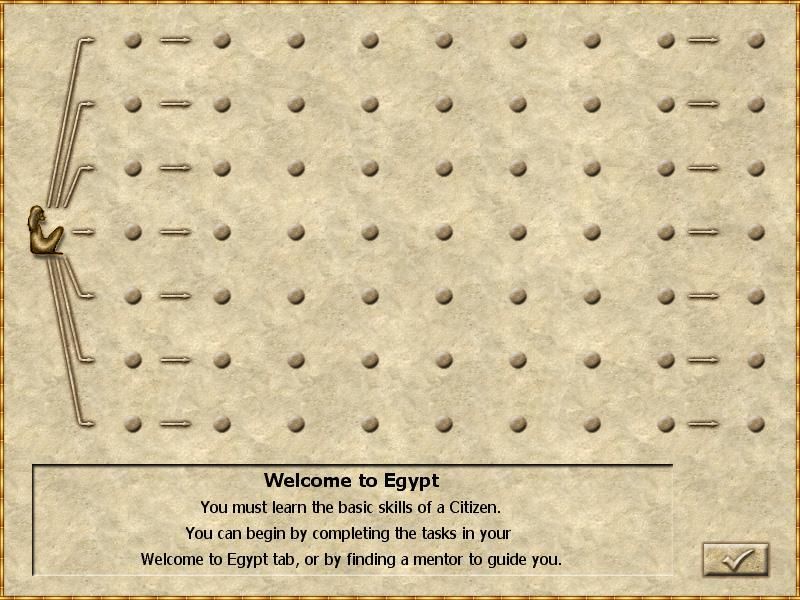
A Tale in the Desert reshapes the traditional MMORPG formula by removing combat entirely and replacing it with a social, crafting-driven experience. Rather than grinding through mobs for loot, players collaborate on community projects, complete skill tests, and develop complex systems together. These tests are grouped into seven thematic categories—Architecture, Art, Body, Conflict (later Harmony), Leadership, Thought, and Worship—each offering a unique path of progression and a variety of challenges that range from logic puzzles to large-scale building endeavors.
(HEY YOU!! We hope you enjoy! We try not to run ads. So basically, this is a very expensive hobby running this site. Please consider joining us for updates, forums, and more. Network w/ us to make some cash or friends while retro gaming, and you can win some free retro games for posting. Okay, carry on 👍)
Crafting and resource management form the backbone of progression. Players harvest materials, refine them into usable goods, and use those goods to build everything from simple pottery to majestic monuments. This emphasis on production encourages cooperation: no single player can gather all resources or master every crafting discipline alone. Group efforts are essential when completing higher-tier tests, fostering a tight-knit in-game society where everyone has a part to play.
Complementing crafting is an extensive research and development system conducted in player-run schools and universities. Before new technologies or techniques become publicly available, students must invest time and resources into experimentation. This mirrors real-world discovery and adds depth to the gameplay loop: once developed, inventions such as advanced metallurgy or architectural principles can be taught to an entire generation of players, fueling further societal advancement.
Graphics
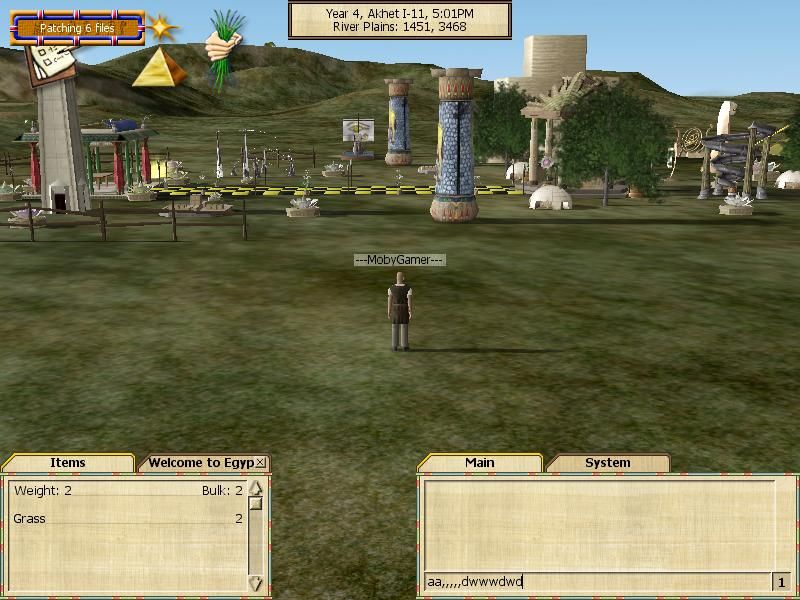
The visual presentation of A Tale in the Desert captures the stark beauty of an ancient Egyptian setting. Sand dunes stretch out under a blazing sun, while the Nile’s fertile banks are lush with date palms and crops. The environment feels alive and reactive: wind ripples across the sands, and day-night cycles change the mood from the scorching midday brightness to the cool mystery of moonlit nights.
Character and building models skew towards a realistic style with a moderate polygon count, ensuring a smooth experience even when large player gatherings form around major construction sites. Architectural projects evolve visibly; foundations rise into columns and rooftops, offering a tangible sense of communal progress that few other MMOs can match.
While the interface design is functional rather than flashy, it places all necessary tools—crafting menus, research logs, petition trackers—within easy reach. This practical layout supports the game’s focus on collaboration rather than fast-paced action. Occasional performance dips can occur during large events, but careful optimization by the developers usually keeps frame rates reasonable.
Story
Unlike many MMOs that rely on a fixed narrative path, A Tale in the Desert lets players define the story through their actions. The game world is set against the backdrop of ancient Egypt’s rise and fall, but the specifics—political upheavals, cultural milestones, and legal revolutions—are written by the community. Each “tale” lasts several years before the world resets, bringing fresh mechanics and new opportunities to shape history all over again.
Tests and community projects serve as narrative milestones. Completing a major architectural challenge might herald the founding of a city, while breakthroughs in worship techniques could spark theological debates among players. Events such as legal petitions or mass-collaboration festivals feel like chapter breaks in an evolving chronicle, ensuring that every player’s experience is part of a grand, shared saga.
The cyclical nature of the game—where each tale introduces novel features and resets progress—keeps the story fresh. Returning veterans and newcomers truly meet on equal footing at the start of each new era, making discovery and experimentation once again a central narrative theme. This evolutionary model lends a unique meta-story to the game itself, chronicling how each era’s society builds upon the last.
Overall Experience
A Tale in the Desert offers a refreshingly contemplative alternative to combat-focused MMOs. Its commitment to non-violent progression, deep crafting systems, and player-driven governance creates a distinctive environment where social interaction and collective achievement are paramount. It’s an experience best enjoyed with a group of like-minded players who value cooperation over competition.
The learning curve can be steep, especially for players accustomed to more traditional MMORPG mechanics. Mastering resource chains, understanding the intricate tests, and navigating the petition-based legal system all take time. However, the payoff is a profoundly rewarding sense of ownership over the world you and your peers build together.
With its limited-time “tales,” the game remains perpetually in motion, ensuring that every reset rekindles excitement and leveling the playing field for both veterans and newcomers. If you’re seeking a community-centric experience that emphasizes creativity, collaboration, and historical immersion, A Tale in the Desert stands alone as a compelling journey into an ancient world reimagined by its players.


Reviews
There are no reviews yet.