 Retro Replay Retro Replay gaming reviews, news, emulation, geek stuff and more!



Retro Replay Review
Gameplay
Close Combat distinguishes itself by emphasizing strategic decision-making over fast-paced action. As the battlefield commander, you issue orders to squads of infantry, armor, and support units, guiding them through the hedgerows and open fields of Normandy. Each unit has a unique morale meter that affects its performance under fire, forcing you to consider positioning, cover, and timing before launching an assault.
(HEY YOU!! We hope you enjoy! We try not to run ads. So basically, this is a very expensive hobby running this site. Please consider joining us for updates, forums, and more. Network w/ us to make some cash or friends while retro gaming, and you can win some free retro games for posting. Okay, carry on 👍)
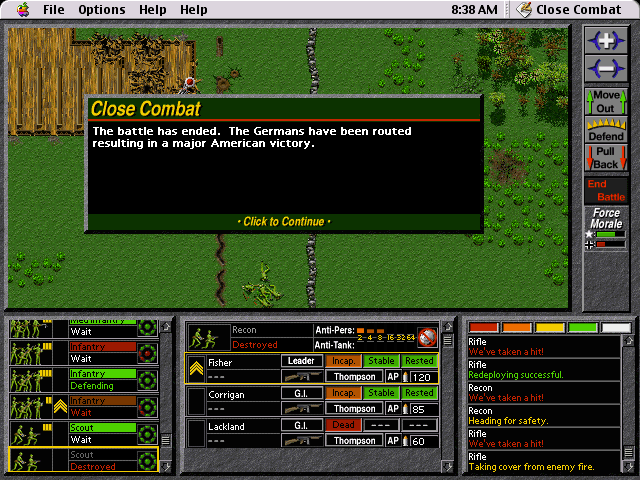
The interface offers a bird’s-eye view of the battlefield, allowing you to draw zones of control and direct units into defensive or offensive postures. You can set up ambushes, call in artillery support, or send scouts ahead to reveal enemy positions. The real-time flow means situations can deteriorate quickly if you ignore suppression or fail to rotate fatigued troops.
Playing as either the Axis or Allied forces introduces subtle but meaningful variations in equipment quality, defensive advantages, and reinforcement schedules. The Allies benefit from superior artillery and air support, while the Axis can establish stronger initial defenses. These asymmetries enrich replayability, encouraging multiple playthroughs to adapt to each side’s strengths and weaknesses.
Another standout feature is the detailed morale system. Under sustained fire or when flanked, units may break, flee, or even surrender. This adds tension to every decision: should you hold the line at all costs or execute a tactical withdrawal to regroup? Such moments of crisis underscore the historical realities of World War II combat and reward players who think several steps ahead.
Graphics
Upon its 1996 release, Close Combat showcased crisp 2D maps and distinct unit icons that were quite sophisticated for the era. While modern gamers might find the visuals dated, the clear color coding and sprite-based representation remain highly functional. Terrain features such as hedgerows, bunkers, and villages are easily distinguishable, helping you plan your maneuvers with minimal guesswork.
Animations are simple but effective: tanks rumble forward, infantry squads duck into foxholes, and muzzle flashes punctuate exchanges of fire. Although there’s no 3D polygonal detail, the game compensates with tactical clarity—units in cover have a visible defensive posture, and directional icons indicate suppressed or pinned troops.
Weather and time-of-day effects are represented through subtle shading and changes in unit visibility. Morning fog can obscure your recon, while afternoon sunlight may silhouette your soldiers against the skyline. These graphical cues not only add atmosphere but also tie directly into gameplay, requiring you to adapt to each scenario’s environmental conditions.
The user interface is utilitarian, featuring simple icons and dropdown menus for issuing orders. Some menus can feel dated, and newcomers may experience a slight learning curve. However, once you familiarize yourself with the command bar and hotkeys, directing your forces becomes intuitive, maintaining focus on strategy rather than flashy visuals.
Story
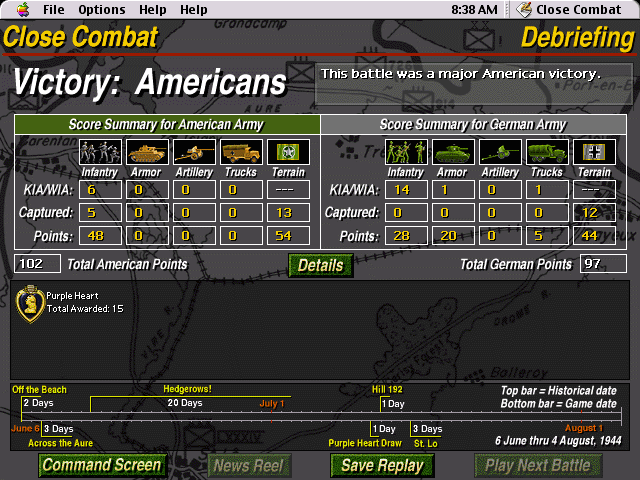
While Close Combat doesn’t follow a cinematic narrative, it delivers historical immersion through its Normandy-based scenarios. The game casts you amid the pivotal battles following D-Day, from the initial beach landings to the push inland. Mission briefings and debriefings frame each scenario with period photography and excerpts from wartime diaries.
You’ll encounter named objectives—capturing key crossroads, defending artillery positions, or cutting off supply routes—that echo real Operation Overlord goals. Each mission stands alone, but completing them sequentially evokes the broader progression of the Allied advance and the German defensive retreat.
The absence of a scripted storyline means the narrative emerges organically from your tactical successes and failures. A well-executed flank might lead to a triumphant breakthrough, while a misjudged assault could result in a harrowing retreat under fire. These emergent stories, driven by unit morale and battlefield conditions, personalize each playthrough.
Voiceovers for radio chatter and orders, though limited by the technology of the time, add authenticity. Hearing an Allied sergeant urge his men forward or a German officer rally his troops reinforces the human dimension of each engagement. This blend of historical detail and player-driven outcomes creates a compelling backdrop for your strategic decisions.
Overall Experience
Close Combat remains a landmark in real-time tactical gaming, laying the groundwork for a series that would refine and expand on its concepts. Its unique blend of intelligence, strategy, and morale management offers a cerebral alternative to standard RTS fare. Patience and planning are rewarded, making it ideal for players who relish thoughtful, measured gameplay.
The dated graphics and interface quirks may deter some, but for strategy enthusiasts and history buffs, these are minor hurdles. The game’s depth and replay value shine through each scenario, whether you’re revisiting Normandy’s bocage country or experimenting with Axis counterattacks. The balance between realism and accessibility ensures newcomers can dive in, while veterans will appreciate the nuanced mechanics.
Despite its age, Close Combat stands up as a challenging, immersive tactical experience. Its focus on morale, cover, and historical authenticity offers lessons in command seldom found in contemporary titles. If you’re seeking a strategy game that demands both big-picture thinking and attention to individual unit behavior, this inaugural installment is well worth your time.
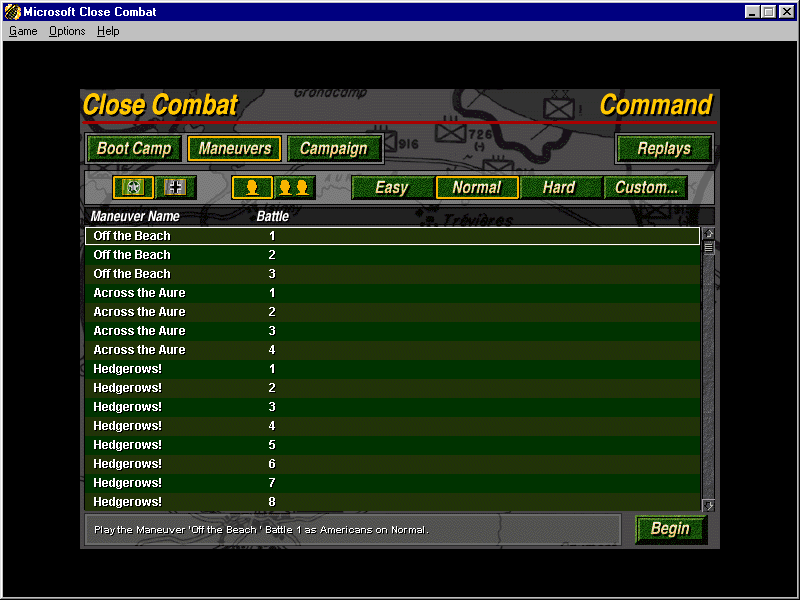
In the end, Close Combat delivers a richly detailed operational feel without overwhelming you with micromanagement. Its scenario-based structure lets you pick your favorite battles or commit to full campaign arcs on either side of the conflict. For anyone intrigued by World War II tactics and the tension of real-time decision-making, this classic title remains a rewarding purchase.


Reviews
There are no reviews yet.