 Retro Replay Retro Replay gaming reviews, news, emulation, geek stuff and more!
Retro Replay Review
Gameplay
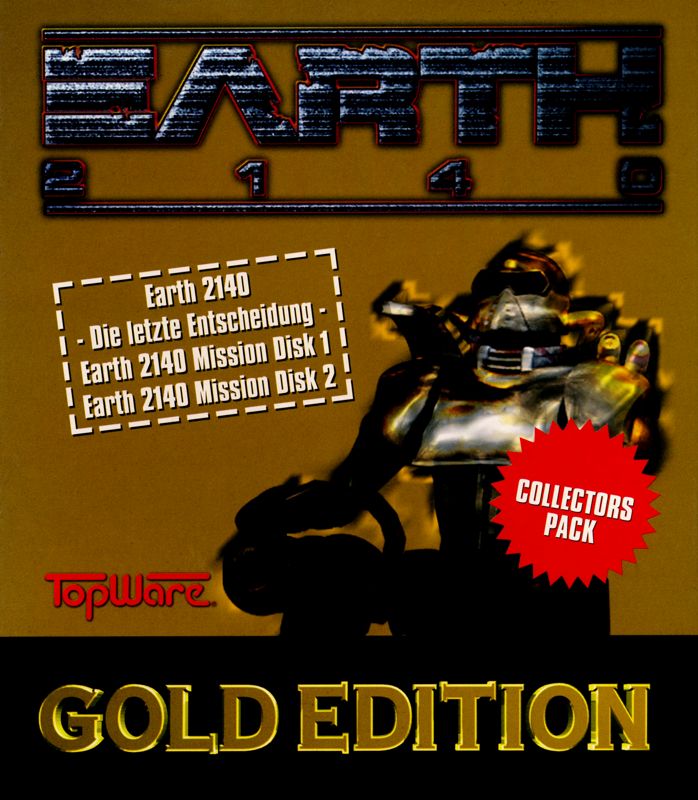
The Earth 2140 Trilogy offers a classic real‐time strategy experience that remains engaging decades after its initial release. Across the base game and two mission packs, players manage resources, build sprawling bases, and produce a wide array of futuristic units. The core loop—harvesting ore, expanding your perimeter, and outmaneuvering enemy forces—feels familiar but finely tuned, with each mission pack introducing new strategic wrinkles and objectives.
(HEY YOU!! We hope you enjoy! We try not to run ads. So basically, this is a very expensive hobby running this site. Please consider joining us for updates, forums, and more. Network w/ us to make some cash or friends while retro gaming, and you can win some free retro games for posting. Okay, carry on 👍)
Earth 2140’s campaigns for the CCOM and the EEC each span a dozen or more missions, and the Mission Pack 1 and Final Conflict expansions add further challenges that test your mastery of the mechanics. The add-ons don’t just tack on extra levels—they introduce unique map hazards, specialized objectives (like timed evacuations or escort missions), and a handful of experimental vehicles that shake up late‐game encounters. These varied mission types ensure that the gameplay never feels stale, even if you’ve revisited the trilogy multiple times.
In skirmish mode, the engine’s AI holds its own, offering a reasonable challenge without resorting to unfair cheats. You can fine‐tune resource abundance, map size, and opponent numbers, making it easy to craft a quick match or a prolonged struggle for dominance. Multiplayer still survives in niche communities, but the real draw remains the single‐player campaigns, where map‐specific tactics and carefully layered objectives showcase the series’ strategic depth.
Graphics
When Earth 2140 first released, its gritty, isometric visuals represented a step forward for the genre, and the trilogy has aged gracefully in its own retro‐futuristic way. Terrain textures are straightforward, but the color palette evokes a stark, industrial future that matches the game’s bleak premise. Units animate smoothly, particularly when upgraded with futuristic weaponry or hover capabilities in the expansion packs.
Mission Pack 1 and Final Conflict introduce new tilesets—ranging from icy wastelands to urban ruins. These fresh environments provide visual variety and clearly signal new tactical challenges (slippery ice fields or chokepoints in collapsed city streets). While the draw distance and sprite resolution might feel modest by modern standards, modding communities have released high-resolution patchers and widescreen fixes that breathe new life into the presentation.
Special effects such as explosions, EMP blasts, and unit destruction animations still deliver satisfying feedback when a well‐placed salvo levels an enemy base. The user interface, though somewhat dated, remains intuitive: command menus and build queues are clearly labeled, and unit stats are easily accessible. For players who appreciate a nostalgic aesthetic, Earth 2140’s graphics strike the right balance between clarity and period charm.
Story
Earth 2140 unfolds in a near‐future Earth ravaged by resource wars, with humanity split into two superpowers: the Central Council of Mining (CCOM) and the Eurasian Dynasty (EEC). The trilogy’s narrative arcs explore themes of corporate greed, environmental collapse, and the moral quandaries of total war. Each campaign thread is peppered with mission briefings, radio chatter, and short cutscenes that flesh out the stakes and keep you invested in the broader conflict.
Mission Pack 1 picks up the story immediately after the base game’s climax, raising the tension and revealing hidden agendas within both factions. It feels like a well-paced novel’s middle act, deepening your understanding of key players and introducing cliffhangers that set the stage for Final Conflict. The second add-on delivers the trilogy’s denouement, as both sides race toward a final showdown with new, devastating weapons of mass destruction looming on the horizon.
While the writing can be occasionally overwrought—complete with bleak narration and 1990s‐style techno‐drama—the story succeeds in contextualizing your missions and giving purpose to your strategic decisions. The sense of escalation across three packages makes each victory feel earned, and the closing chapters effectively tie together loose ends, providing a satisfying conclusion for longtime fans.
Overall Experience
The Earth 2140 Trilogy stands as a testament to the enduring appeal of classic RTS design. Its blend of resource management, tactical unit control, and branching campaign structure offers dozens of hours of content. Newcomers may find the interface and pacing a bit old‐school, but that very quality is part of the package’s charm, preserving an era when strategy games favored depth over flash.
Players who dive into the complete trilogy receive not just the base game’s dozen missions, but a full complement of expansion content that broadens the scope and replayability. Whether you want to relive the original campaigns, tackle the challenging objectives of Mission Pack 1, or experience the dramatic finale in Final Conflict, there’s ample reason to stay engaged. The minor learning curve pays off in memorable set‐piece battles and emergent strategic moments.
Given its historical importance and the volume of content on offer, the Earth 2140 Trilogy remains a worthwhile purchase for fans of classic RTS titles. Modern enhancements from community patches improve compatibility and visuals, ensuring that this slice of gaming history is accessible to today’s audience. If you appreciate thoughtful base building, a dark sci‐fi setting, and campaigns that push you to adapt your tactics, Earth 2140 Trilogy delivers a compelling package from start to finish.


Reviews
There are no reviews yet.