 Retro Replay Retro Replay gaming reviews, news, emulation, geek stuff and more!
Retro Replay Review
Gameplay
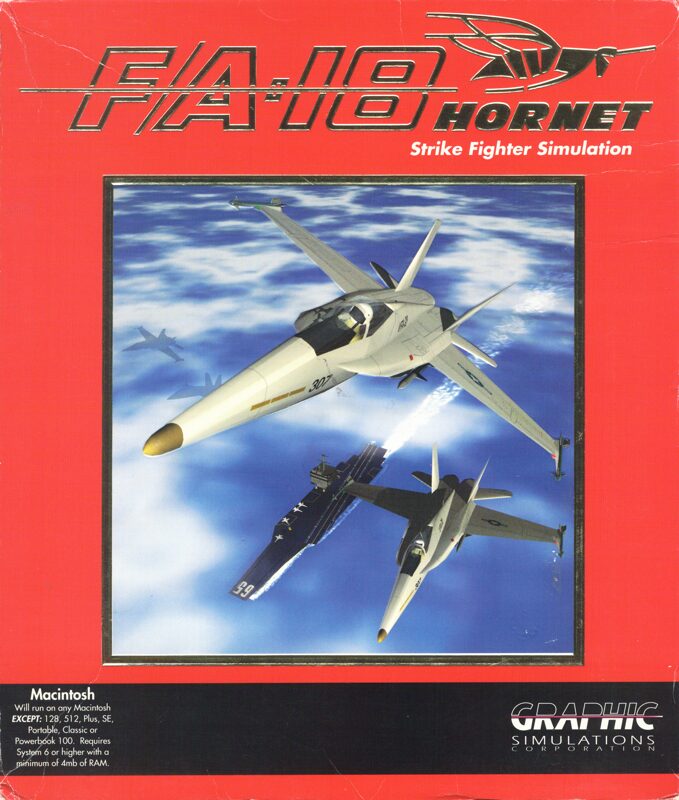
F/A-18 Hornet delivers a robust and authentic flight simulation experience, instantly immersing players in the cockpit of the iconic multi-role fighter jet. From the moment you fire up the simulator, the game’s attention to detail is apparent: your control inputs correspond precisely to aircraft behavior, and the sophisticated flight model respects the Hornet’s real-world performance characteristics. Whether you’re executing tight turns in a dogfight or carefully managing your angle of attack for a bombing run, the sim’s responsiveness and realism shine through.
(HEY YOU!! We hope you enjoy! We try not to run ads. So basically, this is a very expensive hobby running this site. Please consider joining us for updates, forums, and more. Network w/ us to make some cash or friends while retro gaming, and you can win some free retro games for posting. Okay, carry on 👍)
The mission structure in Hornet is both varied and challenging, offering air-to-air intercepts, ground-attack sorties, and even escort duties. Based in the Persian Gulf, you’ll launch missions from both aircraft carriers and land-based airstrips, each presenting its own logistical and environmental challenges. Early sorties ease you into radar operations and weapons deployment, while later missions ramp up the intensity with multi-axis threats and stricter time constraints.
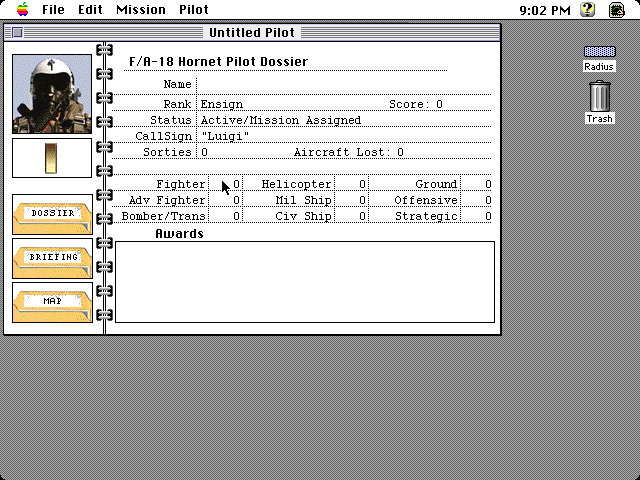
Weapon systems are faithfully reproduced, from the M61A1 cannon to cutting-edge air-to-air missiles such as Sidewinders and AMRAAMs, as well as air-to-ground ordnance like Mavericks, HARMs, and laser-guided bombs. Mastering the various radar modes—track-while-scan, target designation, and terrain mapping—is crucial for effective engagement. With each successful sortie, you earn promotions and awards that keep you motivated to refine your tactics and aim for the most demanding mission objectives.
Graphics
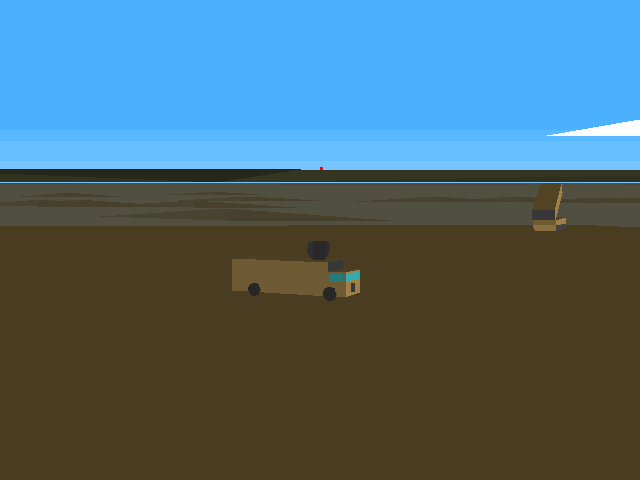
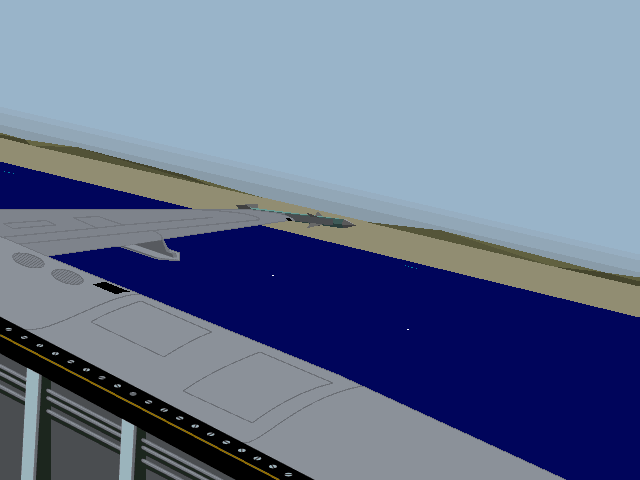
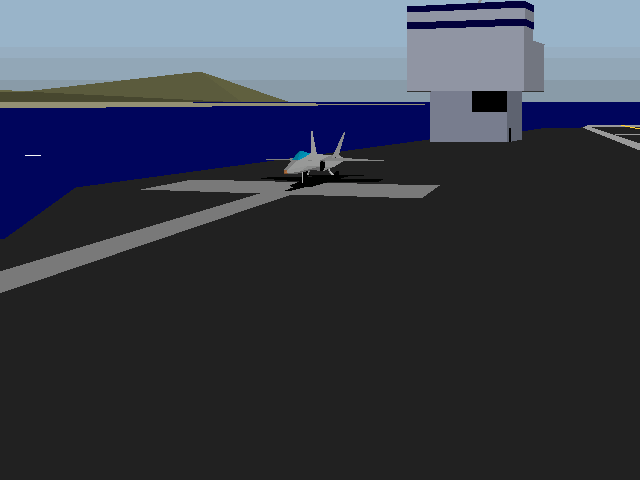
Visually, F/A-18 Hornet opts for flat-shaded polygon graphics, a deliberate choice that prioritizes smooth performance on pre-PowerPC Macintosh systems. While textures are minimal, the clear-cut wireframe silhouettes and solid-color surfaces make it easy to identify adversaries, friendly units, and terrain features at a glance. This simplified art style contributes to consistently high frame rates, ensuring your flight path and maneuver inputs feel instantaneous.
Environmental details—such as the shimmering Persian Gulf waters, the angular profiles of enemy installations, and the deck of an aircraft carrier—are rendered with stark clarity. Although the simulator lacks photo-realistic textures, it compensates by presenting a clean, uncluttered visual field, reducing cockpit distractions and allowing you to focus on flying and targeting. Day and night cycles further diversify the visual experience, challenging your situational awareness under changing light conditions.
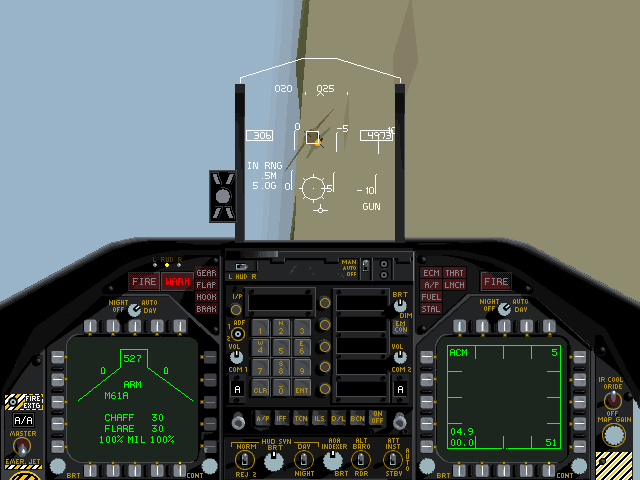
The GUI overlays, including radar scopes, weapon status readouts, and mission timers, maintain the minimalist aesthetic. Information is presented in crisp vector text and symbols, ensuring readability even when maneuvering at high g-forces. Overall, while the graphics may feel dated compared to modern flight sims, Hornet’s art direction was state-of-the-art for its era and remains an effective balance of performance and functionality.
Story
Unlike narrative-driven titles, F/A-18 Hornet weaves its storyline directly into mission briefings and operational context. Set against a fictional yet plausible Persian Gulf conflict, you play as a frontline naval aviator tasked with neutralizing enemy air defenses, interdicting supply convoys, and securing air superiority. The escalating campaign structure takes you from routine patrols to high-stakes strikes, culminating in a dramatic nuclear strike against a fortified enemy installation.
Each mission is prefaced by concise briefings that outline objectives, threat assessments, and expected hazards. The lack of voiced cutscenes or in-depth character drama may feel sparse by modern standards, but it also keeps you firmly in the pilot’s seat—focused on gauges, radar contacts, and mission waypoints. Your only narrative reward comes in the form of squadron commendations and rank promotions, underscoring the military simulation ethos.
The gradual escalation of mission complexity effectively conveys a sense of mounting tension, driving home the stakes of aerial warfare without relying on elaborate plot twists. For players who appreciate an operational framework rather than cinematic storytelling, Hornet’s minimalist narrative approach enhances immersion by preserving the authenticity of a real-world fighter pilot’s experience.
Overall Experience
F/A-18 Hornet stands out as a milestone in Macintosh flight simulation, delivering an unparalleled combination of realism, performance, and mission variety for its time. The learning curve can be steep—managing multiple radar modes, weapon systems, and flight dynamics requires patience and practice—but the payoff is immense. Successfully guiding a missile into an enemy jet or executing a precise cluster bomb run offers genuine satisfaction.
The era-appropriate flat-shaded graphics, while minimalistic, ensure that gameplay remains fluid across a range of hardware configurations. Combined with the game’s authentic avionics modeling and mission progression, Hornet provides enduring replay value. Whether you’re revisiting the sim for nostalgia or discovering it on vintage Mac hardware, the core experience remains compelling.
In sum, F/A-18 Hornet is an essential purchase for enthusiasts of classic flight sims and anyone seeking a challenging, no-frills aerial combat experience. Its emphasis on accurate aircraft behavior, weapons employment, and mission planning sets a high bar for realism on the Macintosh platform. If you’re prepared to invest the time to master its systems, Hornet delivers a deeply rewarding journey into naval aviation warfare.


Reviews
There are no reviews yet.