 Retro Replay Retro Replay gaming reviews, news, emulation, geek stuff and more!
Retro Replay Review
Gameplay
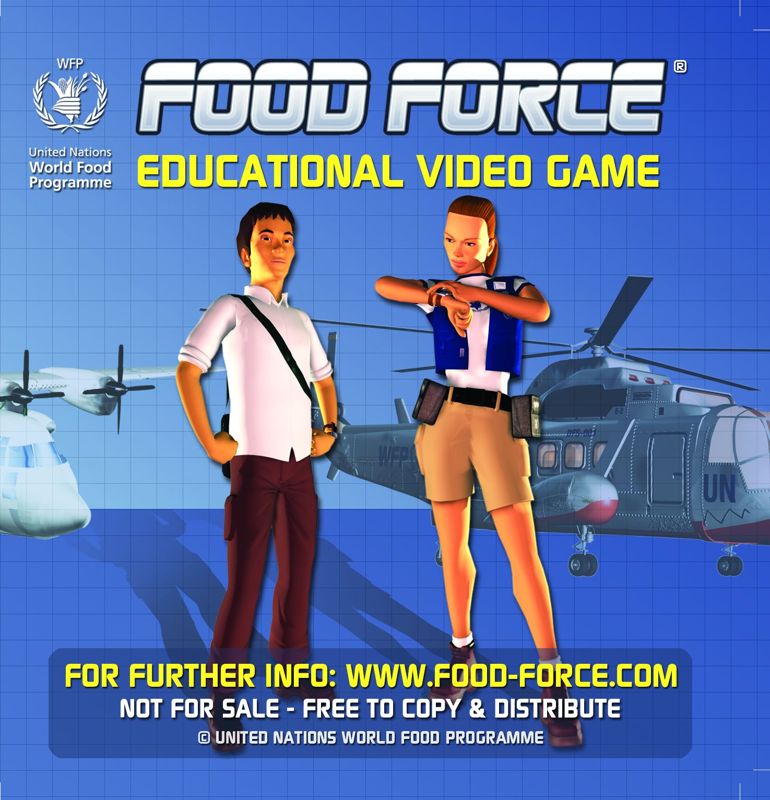
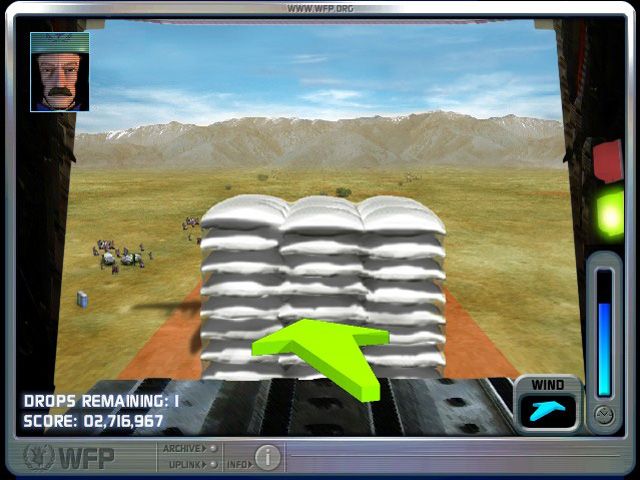
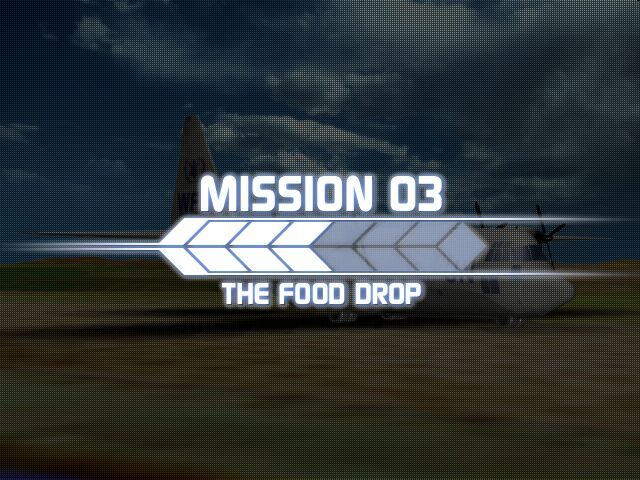
Food Force places players in the heart of a humanitarian crisis, tasking them with a series of six distinct missions designed to mirror the real-life challenges faced by relief workers. From piloting a helicopter to scout refugee camps to carefully formulating nutritionally balanced food packages, each segment introduces new mechanics that keep the experience fresh. The pacing shifts naturally between high-adrenaline air drops and more methodical logistical planning, ensuring you’re constantly adapting your strategy.
(HEY YOU!! We hope you enjoy! We try not to run ads. So basically, this is a very expensive hobby running this site. Please consider joining us for updates, forums, and more. Network w/ us to make some cash or friends while retro gaming, and you can win some free retro games for posting. Okay, carry on 👍)
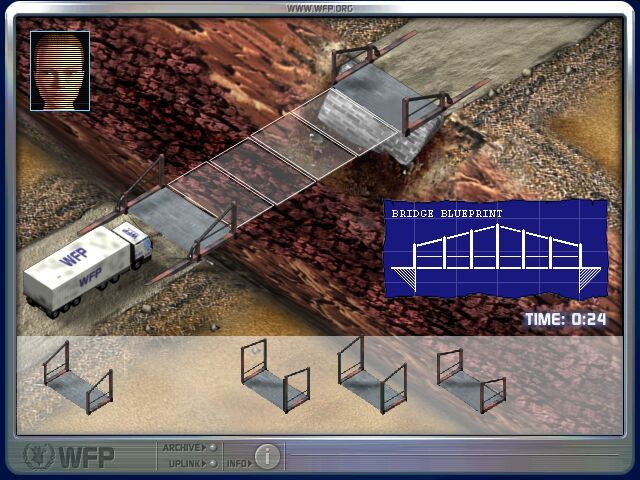
The mission to purchase food supplies from different countries and choose optimal shipping lanes adds an intriguing economic layer. Players must manage limited budgets while navigating geopolitical considerations, teaching resource prioritization in a hands-on way. Convoy missions further complicate matters by introducing environmental hazards and rebel ambushes, turning what might have been a simple delivery into a tense exercise in risk management.
Finally, distributing food to various sectors of the community underscores the importance of balanced development. You’ll allocate supplies to families, schools, and health centers, fostering local self-sufficiency rather than dependency. This branching outcome system allows you to see how thoughtful distribution decisions directly influence schooling rates, public health statistics, and infrastructure restoration.
Graphics
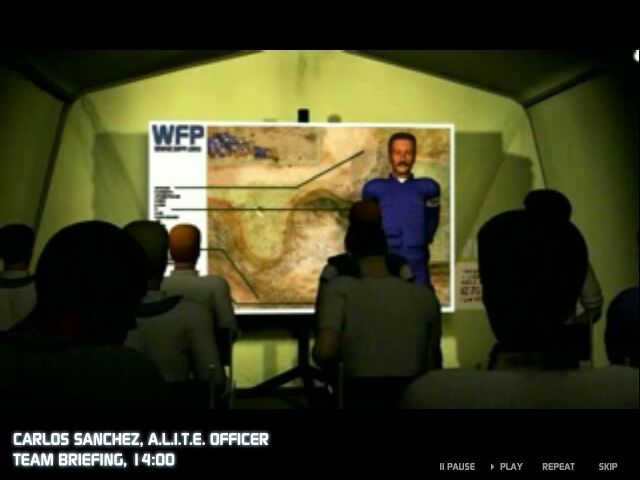
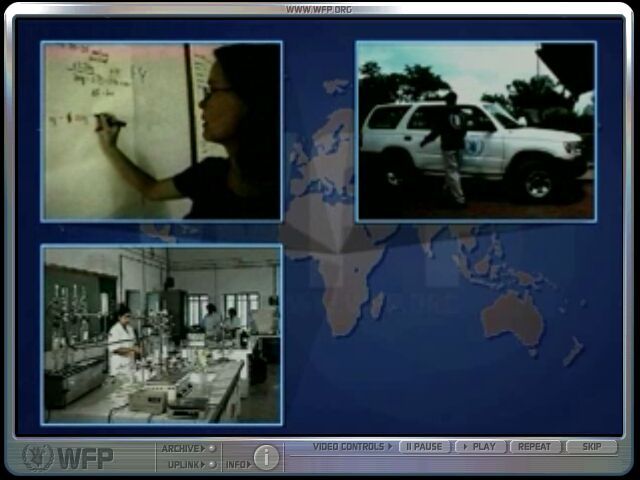
Although Food Force was released in the mid-2000s, its stylized 3D environments and character models hold up surprisingly well. The vibrant color palette contrasts lush jungle backdrops with more muted refugee camp settings, reinforcing the stark reality of the situation without feeling overly grim. Cutscenes and mission briefings are presented as clean, informative slides rather than cinematic sequences, aligning with the educational purpose of the title.
In-mission visuals strike a balance between simplicity and clarity. Terrain cues—such as winding mountain roads or rivers ideal for air drops—are easy to read at a glance, which is vital when time is of the essence. Helicopter and truck controls are mapped with intuitive HUD overlays, helping players focus on tactical decisions rather than fiddly camera angles or obscure icons.
Character animations are deliberately minimal but effective, emphasizing gestures over intricate movement to convey urgency and empathy. While you won’t find hyper-realistic facial expressions, the art style fosters accessibility for a younger audience, making complex topics like famine and war more approachable. Overall, the graphics serve the gameplay and message without unnecessary flash.
Story
The narrative of Food Force is straightforward yet impactful: the island nation of Sheylan is torn apart by famine and civil war, and it’s your job to coordinate relief efforts on behalf of the United Nations World Food Programme. From the outset, you’re immersed in a scenario that feels both urgent and achievable, allowing you to empathize with displaced families while understanding the macro challenges of international aid.
Each mission is framed by concise text and voice-over briefings that outline objectives, stakes, and real-world parallels. You learn not only how to pilot a helicopter or negotiate shipping logistics but also why these steps matter in the battle against hunger. The story never bogs down in melodrama; it trusts players to feel the weight of their actions through well-crafted scenarios rather than heavy-handed dialogue.
As you progress, the evolving state of Sheylan’s infrastructure, schooling system, and public health indicators acts as a narrative barometer. Successes in food distribution translate into budding health clinics reopening or children returning to classrooms, creating a tangible sense of accomplishment. Conversely, setbacks—such as convoy attacks—serve as stark reminders of the delicate balance between hope and hardship in crisis zones.
Overall Experience
Food Force manages to educate while entertaining, striking a rare balance in the serious games genre. The six varied missions ensure that no two play sessions feel the same, and the incremental difficulty curve keeps players engaged without causing frustration. Whether you’re coordinating air drops in seconds or meticulously planning supply chains over hours, there’s a genuine sense of purpose driving your decisions.
The game’s learning curve is gentle but rewarding. Tutorials are woven into early missions, and helpful on-screen prompts guide you through unfamiliar procedures. By the time you’re facing off against rebel ambushes or negotiating intergovernmental shipments, you feel well-equipped both in-game and in your understanding of the broader humanitarian effort.
While Food Force’s production values aren’t on par with blockbuster titles, its strengths lie in message and mechanics. The gameplay loop of scouting, planning, delivering, and distributing offers surprising replay value, especially for players interested in global issues. In the end, Food Force is more than just a game—it’s an interactive window into the complexities of feeding a nation in crisis, and it succeeds in making you care deeply about the people of Sheylan.



Reviews
There are no reviews yet.