 Retro Replay Retro Replay gaming reviews, news, emulation, geek stuff and more!

Retro Replay Review
Gameplay
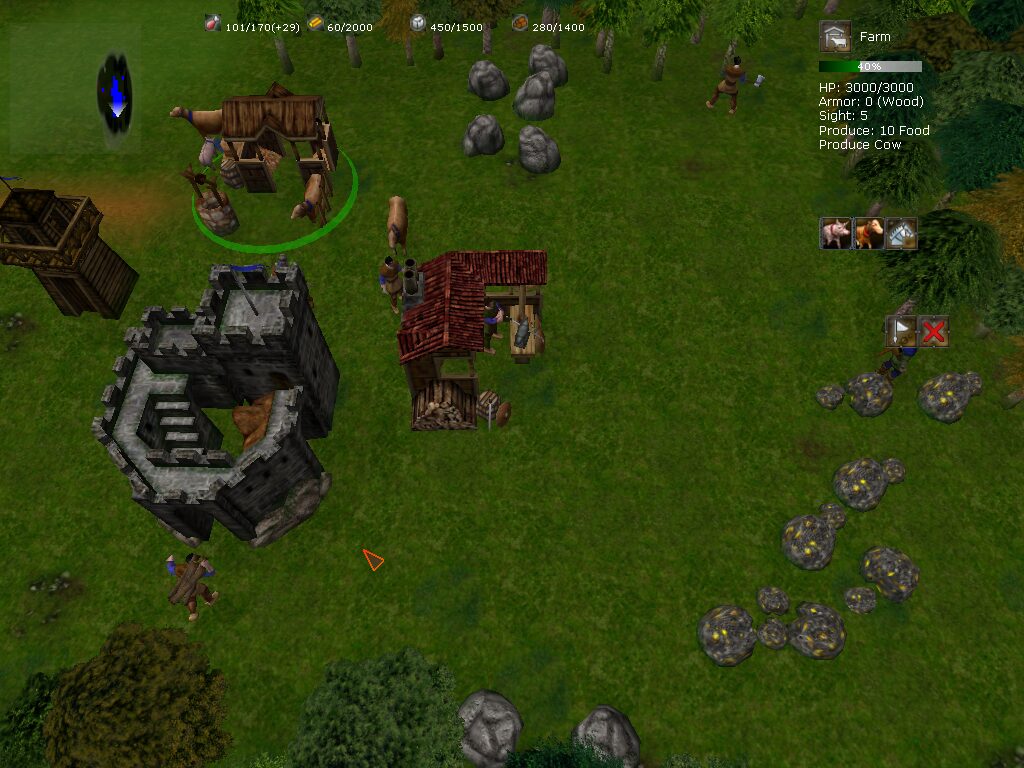
Glest delivers a classic real-time strategy experience, inviting players into a medieval fantasy realm where resource management and tactical decisions reign supreme. You begin by establishing a base, gathering wood, stone, and food to support your economy. From there, construction of specialized buildings unlocks a tech tree that leads to increasingly powerful units and abilities, making each decision—from what structure to erect next to which units to train—critically important.
(HEY YOU!! We hope you enjoy! We try not to run ads. So basically, this is a very expensive hobby running this site. Please consider joining us for updates, forums, and more. Network w/ us to make some cash or friends while retro gaming, and you can win some free retro games for posting. Okay, carry on 👍)
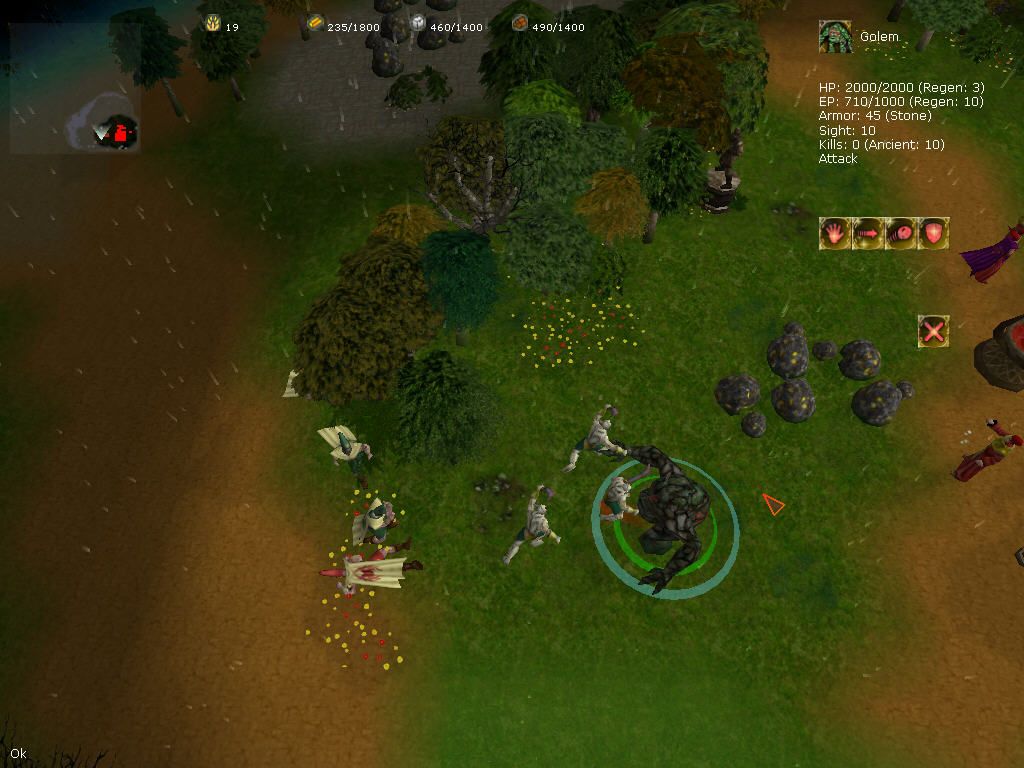
The game’s two distinct factions—Magic and Technology—offer contrasting playstyles that enliven every match. Magic commanders harness elemental powers and summon creatures like fire elementals or demons, while Technology leaders rely on heavily armored infantry, siege engines, and automated defenses. This dichotomy ensures that multiplayer showdowns and single-player skirmishes never feel stale: each side has unique strengths, weaknesses, and strategic paths to victory.
Glest ships with eight diverse maps that feature rivers, islands, forests, and mountains, each affecting how you approach expansion and combat. River chokepoints become focal battlegrounds, islands demand careful naval or magical transport planning, and high ground offers tactical advantages for ranged units. With support for up to four players—human or AI—the game scales from quick two-player duels to chaotic free-for-all melees, delivering varied challenges and replayability.
Graphics
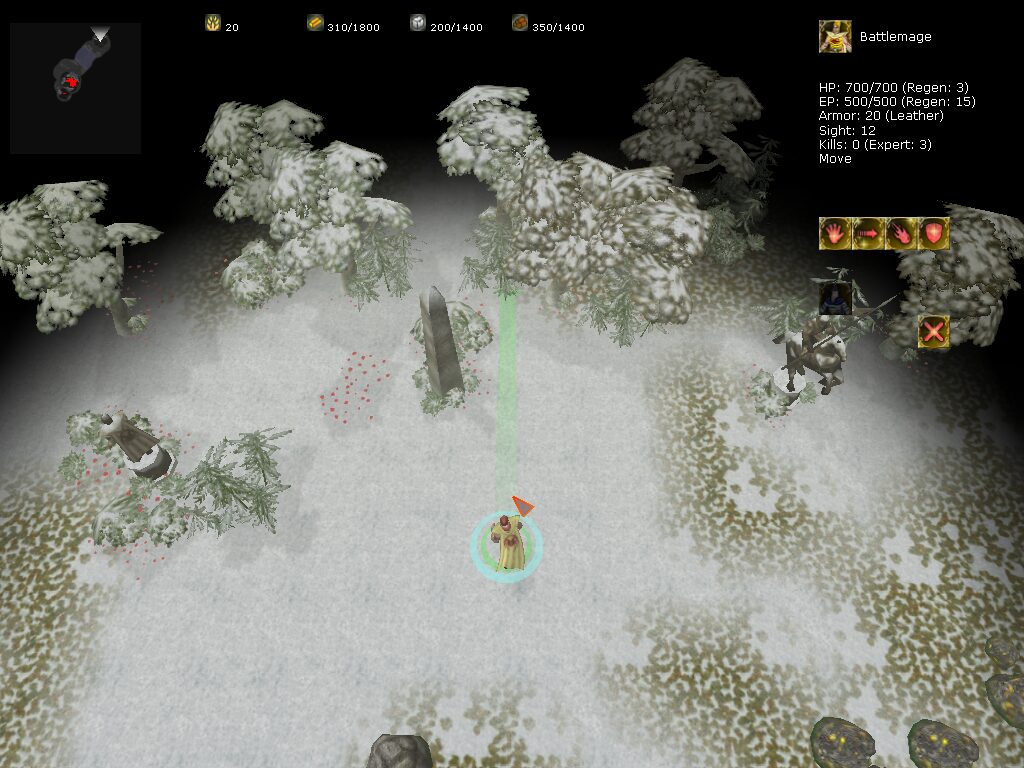
At its core, Glest employs a fully 3D engine that, while not cutting-edge by today’s standards, remains charming and serviceable. Units and buildings are rendered with crisp textures and clear silhouettes, allowing you to quickly distinguish between foot soldiers, siege engines, and magical creatures in the heat of battle. Animations are fluid enough to convey motion, particularly in spellcasting sequences where swirling fire or healing particles add flair to your attacks.
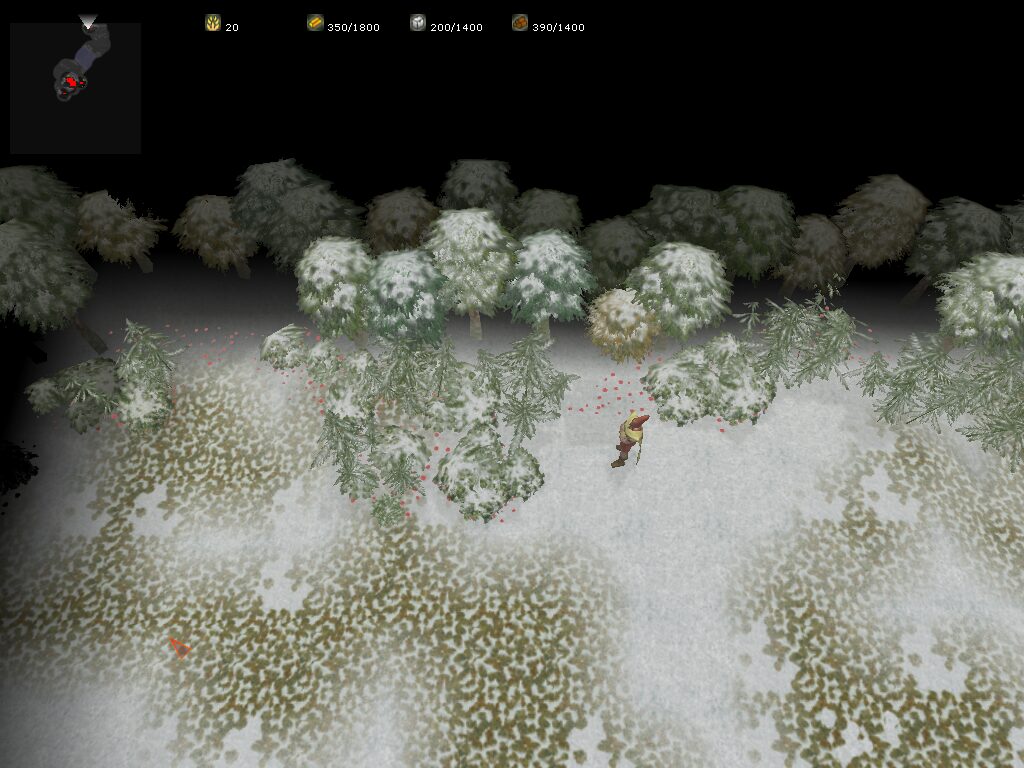
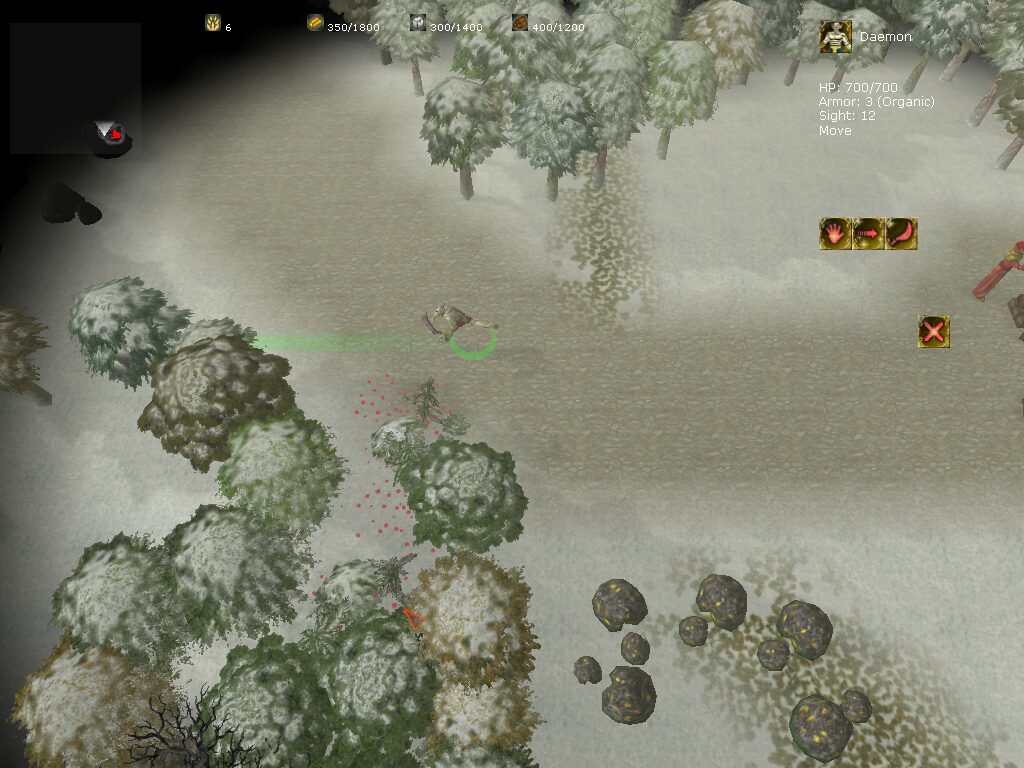
The environmental design enhances immersion with lush forests, gently flowing rivers, and mountainous backdrops. Map details such as fallen trees, rock formations, and decorative foliage give each battlefield character without overwhelming the screen. Lighting effects—especially the glow of magical spells or the sparks from industrial furnaces—add visual contrast that makes key moments pop.
One of Glest’s greatest graphical strengths lies in its moddability. All unit models, textures, and even terrain elements can be swapped or updated by players. A thriving modding community has produced custom skins, high-resolution textures, and entirely new factions, breathing fresh life into the game’s visuals. If you appreciate personalizing your experience or enjoy community-created content, Glest’s open design will be a major draw.
Story
While Glest doesn’t offer an elaborate single-player campaign with branching narratives, its simple lore sets the stage for countless skirmishes. The conflict between proponents of ancient Magic and advocates of burgeoning Technology is easy to grasp and gives context to every skirmish: are you summoning demons to raze enemy villages, or massing mechanical war machines to crush magical defenses?
The lack of a rigid storyline actually works in Glest’s favor, as it transforms each match into its own story. Whether you’re staging a last-minute defense against a demon horde or launching a surprise ledge assault with a battalion of steel-clad knights, the events on the battlefield become the narrative. This player-driven approach allows you to shape your own legendary moments instead of following a predetermined plot.
For enthusiasts who crave deeper lore, community-created campaigns and mods often fill the gap. Fans have built custom scenarios with unique backstories, bespoke unit rosters, and scripted events that echo larger RTS titles. If you enjoy piecing together world-building details or sharing your own tales, Glest’s open architecture makes it straightforward to craft and exchange narrative-driven content.
Overall Experience
Glest shines as a pure RTS sandbox, free from pay-to-win distractions or overly scripted campaigns. Its core mechanics are solid: base-building feels intuitive, resource gathering offers clear progression, and combat remains engaging whether you prefer brute force or cunning sorcery. Matches can range from brisk skirmishes to epic struggles that test your multitasking skills and strategic foresight.
Community support and extensibility are where Glest truly stands out. Because all data is stored in XML format, players can tweak unit stats, restructure tech trees, and even add entirely new factions using basic text editors. This level of customization not only extends playtime but also fosters a collaborative environment—modders share expansions, map packs, and balance tweaks, ensuring that the game continues to evolve.
For anyone seeking a cost-effective, community-driven RTS with classic appeal, Glest is a compelling choice. While it may lack the polish of high-budget competitors, its open-ended gameplay, moddable framework, and engaging faction dynamics deliver substantial value. Whether you’re a veteran strategist or a newcomer eager to explore medieval fantasy warfare, Glest offers an inviting battlefield teeming with possibilities.



Reviews
There are no reviews yet.