 Retro Replay Retro Replay gaming reviews, news, emulation, geek stuff and more!


Retro Replay Review
Gameplay
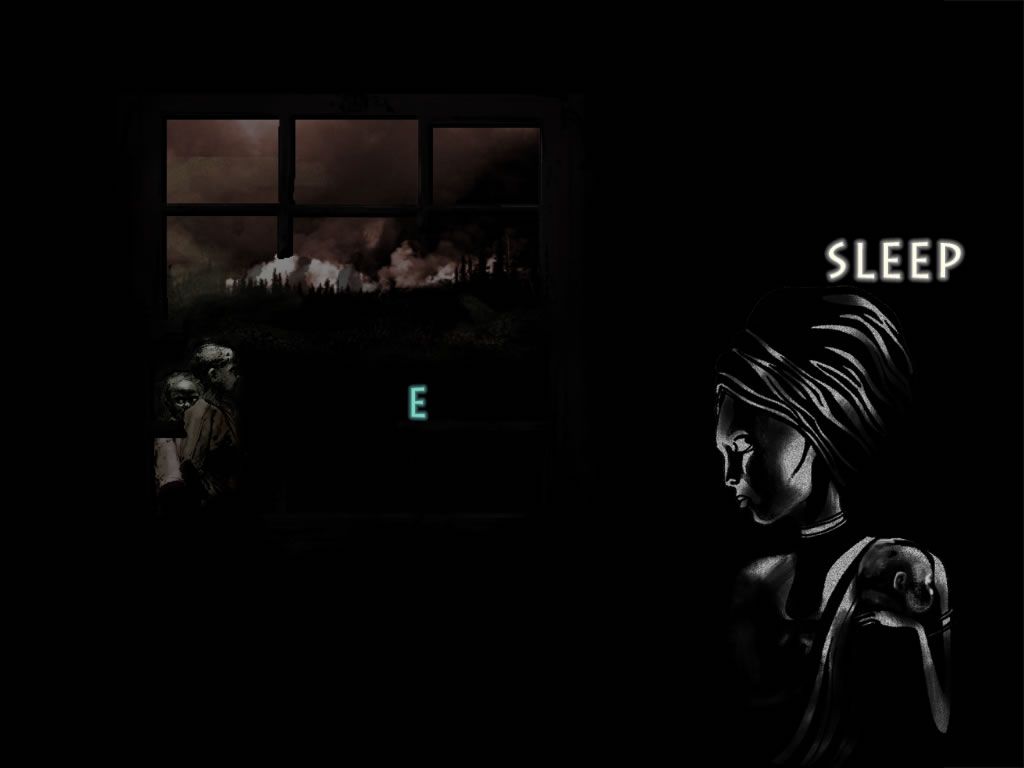
Hush offers a minimalist yet deeply engaging gameplay mechanic that centers around a timing-based typing challenge. As the lullaby’s lyrics appear on screen one letter at a time, players must press the corresponding keys exactly when each character lights up. This simple interaction belies a profound tension: mistiming a keystroke can agitate the child and allow the patrolling soldier to draw closer.
(HEY YOU!! We hope you enjoy! We try not to run ads. So basically, this is a very expensive hobby running this site. Please consider joining us for updates, forums, and more. Network w/ us to make some cash or friends while retro gaming, and you can win some free retro games for posting. Okay, carry on 👍)
Rather than demanding rapid reflexes common in rhythm games, Hush requires patience and precision. The response window is deliberately generous compared to other typing-based titles, which encourages players to focus on calm, deliberate actions—mirroring the mother’s careful efforts to soothe her baby. This pacing creates a reflective state, where each successful keystroke feels earned and each misstep raises the stakes.
The design also subtly varies the song’s tempo and intensity as the scenario unfolds. Early rounds feel manageable, but as the lullaby drifts into darker musical cues, the lighting dims and the soldier’s footsteps grow louder. This dynamic shift heightens immersion and forces players to adapt, keeping the gameplay loop fresh across its brief runtime.
Graphics
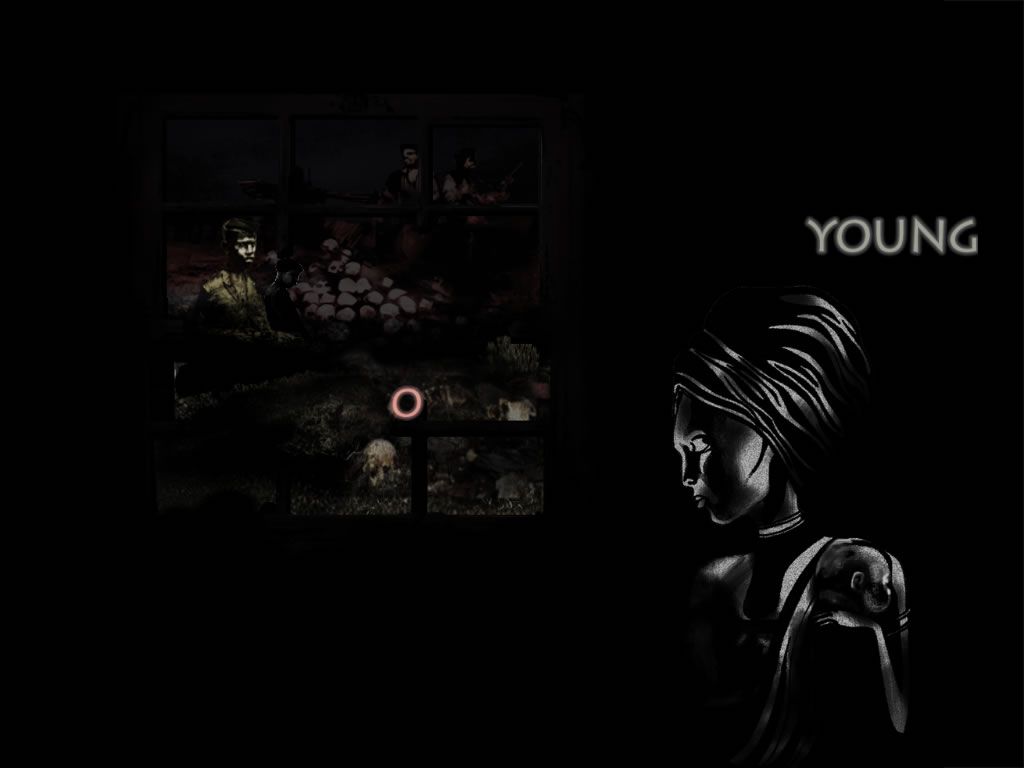
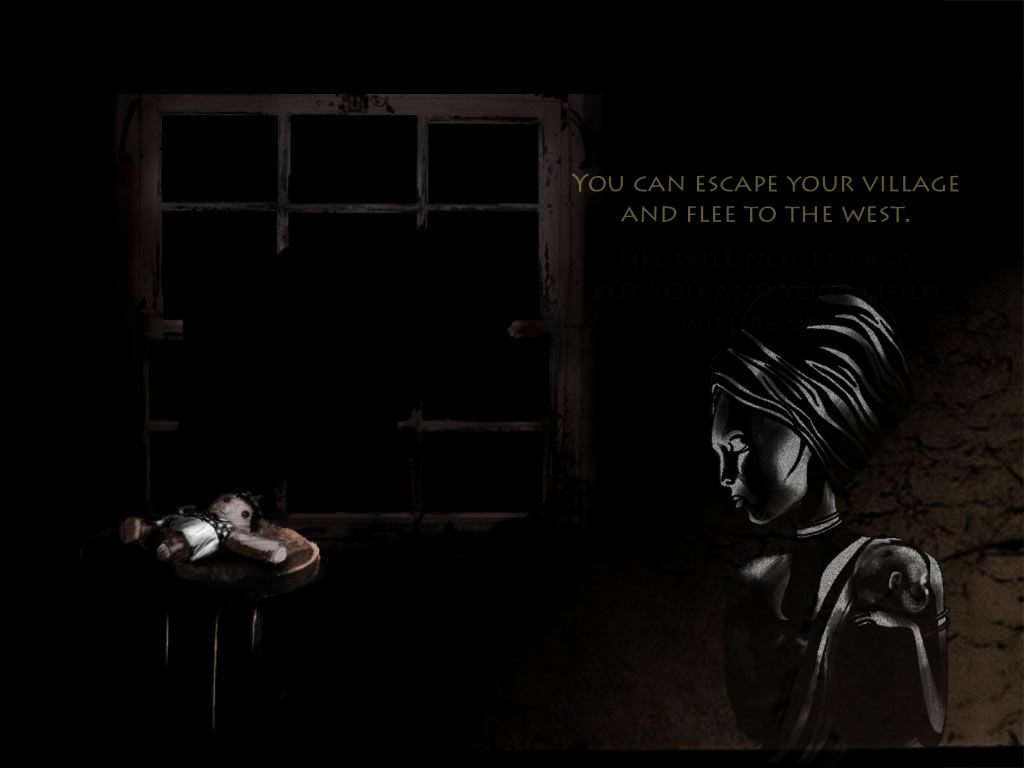
Hush employs a restrained visual style that amplifies its emotional impact. The screen is split: Liliane, rendered in gentle pastel hues, sits on the right cradling her infant, while the left side offers a window view into the war-torn landscape outside. This dual-pane presentation constantly reminds players of the fragile boundary between safety and danger.
The color palette is carefully chosen to evoke mood transitions. Soft blues and warm yellows dominate the early lullaby sequences, fostering a sense of warmth and maternal care. As tension mounts, muted grays encroach around the edges, culminating in a stark red wash at moments of failure—an immediate, visceral signifier of violence and loss.
Subtle animation cues further enhance the atmosphere. Liliane rocks gently when the player succeeds, and her expressions shift subtly from hope to anxiety as the lullaby falters. Outside the window, the soldier’s silhouette moves with a deliberate, measured pace, underscoring the constant threat without resorting to flashy or distracting effects.
Story
At its heart, Hush is a poignant vignette set against the backdrop of the 1994 Rwandan Genocide. By focusing on Liliane, a Tutsi mother hiding her child, the game transforms a vast historical atrocity into an intimate, personal ordeal. Players aren’t strategizing armies—they’re safeguarding a single innocent life.
This narrative choice deepens empathy and fosters a powerful emotional connection. Through music, ambient sounds, and occasional whispered dialogues, the game conveys the fear and love that propel Liliane’s actions. There’s no lengthy exposition; instead, each lullaby verse carries the weight of her desperation and hope.
Although concise, Hush’s storytelling is layered with sociopolitical resonance. It prompts reflection on the fragility of peace and the courage required to protect the vulnerable. By immersing players in a scenario few games dare to address, it leaves a lasting impression about both the specific events in Rwanda and broader themes of human resilience.
Overall Experience
Hush stands out as an evocative, artful experience rather than a traditional entertainment title. Its strength lies in marrying simple interactivity with profound emotional and historical context. In under ten minutes, it immerses you in a tense, heart-wrenching scenario you won’t soon forget.
The game’s brevity can feel abrupt for those expecting a longer playthrough, but its concise format is precisely what gives it power. Every element—from the pacing of the typing mechanic to the stark visual transitions—works in concert to maintain tension and focus your attention on Liliane’s struggle.
Available as a free, browser-based experience, Hush is an accessible entry point for players interested in games that tackle real-world issues. While its lack of complexity may disappoint action-seekers, its emotional depth and thoughtful design make it essential for anyone curious about interactive storytelling and sociopolitical commentary in gaming.



Reviews
There are no reviews yet.