 Retro Replay Retro Replay gaming reviews, news, emulation, geek stuff and more!

Retro Replay Review
Gameplay
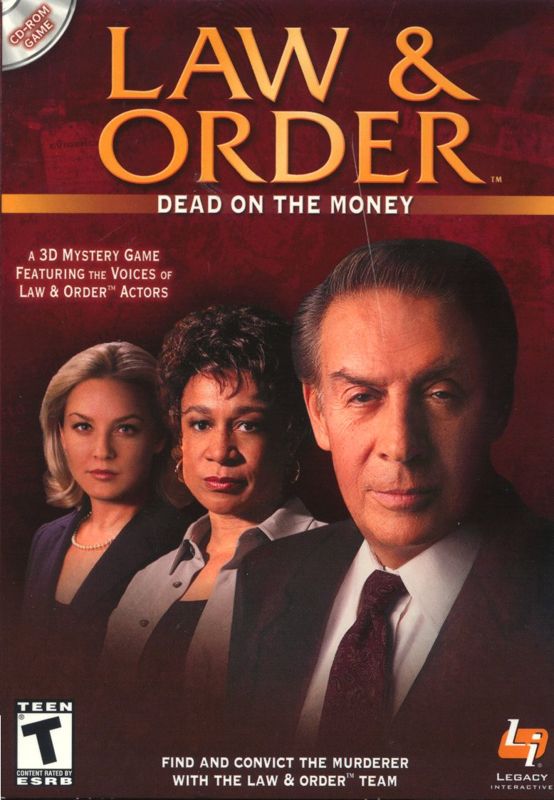
Law & Order: Dead on the Money splits its gameplay neatly into two distinct phases: the Investigation and the Trial. In the Investigation phase, players step into the shoes of Detective Lennie Briscoe and Officer Ed Green, canvassing crime scenes, gathering physical evidence, and conducting witness interviews. This part of the game plays out like a classic point-and-click adventure, encouraging careful observation and logical thinking. Inventory items can be examined in detail, and dialogue choices matter—asking the right question at the right time can reveal critical clues.
(HEY YOU!! We hope you enjoy! We try not to run ads. So basically, this is a very expensive hobby running this site. Please consider joining us for updates, forums, and more. Network w/ us to make some cash or friends while retro gaming, and you can win some free retro games for posting. Okay, carry on 👍)
Transitioning from Investigation to Trial is seamless, yet the stakes feel dramatically different. Your performance in the first half directly impacts courtroom difficulty: missing or misinterpreting evidence can lead to a tougher defense attorney, fewer admissible exhibits, and more skeptical jurors. During the Trial phase, gameplay shifts toward selecting objections, presenting evidence, and cross-examining witnesses. Each objection must be timed correctly, and evidence must be introduced in a coherent narrative order to convince the judge and jury.
The pacing remains brisk throughout both halves. Investigation scenes seldom drag, thanks to tight scene design and streamlined navigation between locations. Meanwhile, courtroom sequences capture the tension of a real trial, complete with objections, evidentiary disputes, and dramatic witness revelations. The dual-structure keeps things fresh—players who thrive on gathering clues will find the first half enthralling, while those eager for verbal sparring and courtroom strategy will relish the second half.
One potential drawback is that trial difficulty can spike if evidence is overlooked early on, leading to frustration for new players. However, this also adds replay value: mastering both phases encourages multiple playthroughs to see how different strategies and questions affect case outcomes. Overall, the gameplay design successfully marries investigative sleuthing with legal drama, providing a cohesive experience that fans of either genre will appreciate.
Graphics
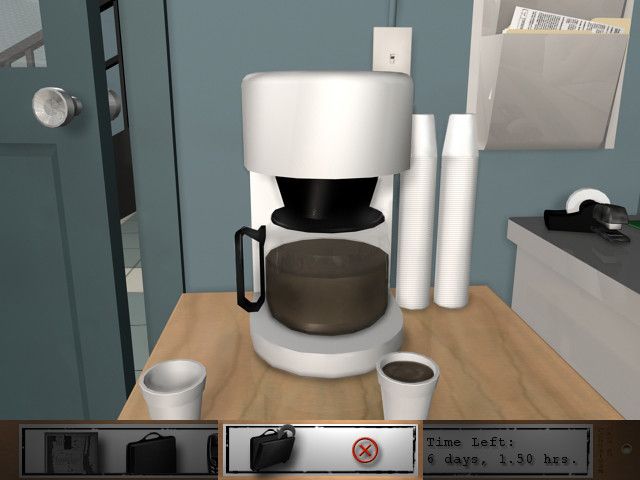
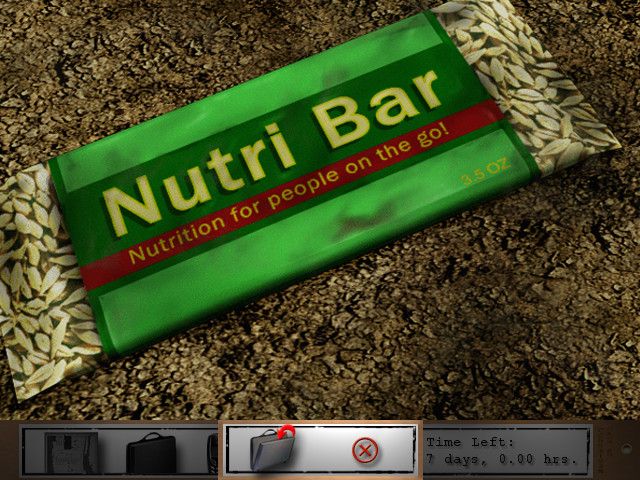
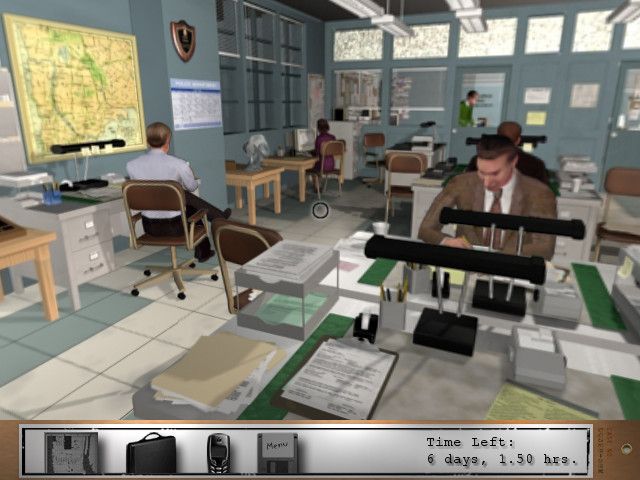
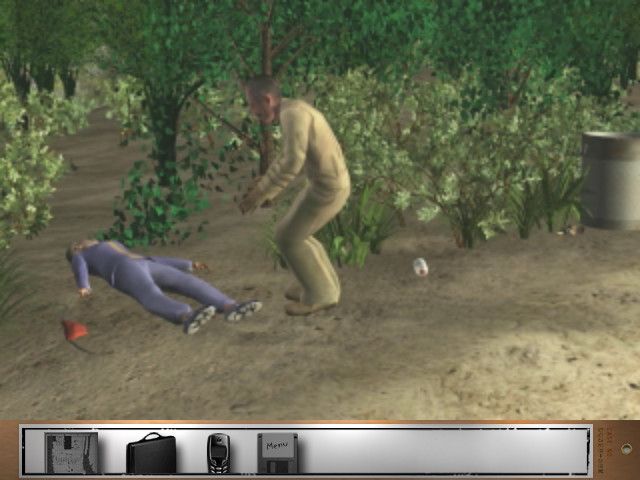
Visually, Dead on the Money reflects its early-2000s PC origins with pre-rendered backdrops and character models that, while dated by today’s standards, still convey the gritty atmosphere of New York’s underbelly. Crime scenes are detailed enough to spot blood spatters, discarded evidence, and subtle environmental clues. Lighting and color choices tend toward muted tones, reinforcing the serious subject matter and echoing the TV show’s realistic style.
Character portraits and courtroom environments capture recognizable likenesses of series regulars, lending authenticity to each interaction. Facial animations are serviceable, if somewhat stiff by modern benchmarks, yet they effectively convey emotion during key moments—an angry witness, a defense attorney’s smug grin, or the judge’s skeptical look. Cutscenes, often presented in a slideshow format with voice-over, help maintain narrative momentum without taxing system resources.
UI elements such as the notebook, evidence folder, and transcript logs are clear and intuitive, with icons that reflect their real-world counterparts—handcuffs for suspects, camera icons for photos, and document icons for reports. While resolution limitations mean you might need to zoom in to read certain on-screen text, the overall interface design is functional and user-friendly, ensuring you spend more time investigating than fumbling through menus.
Though the graphics may seem archaic compared to contemporary titles, they serve the game’s purpose well. The attention to environmental detail and faithful recreation of familiar locations—from warehouse interiors to courtroom chambers—immerses players in the Law & Order universe. For newcomers, the visuals may evoke a sense of nostalgia for classic adventure games; for long-time fans, they reinforce the gritty, procedural tone the series is known for.
Story
Dead on the Money opens with a high-profile murder that sets a tense, procedural tone from the outset. The narrative unfolds in true Law & Order fashion: a succinct cold open, a methodical crime scene investigation, followed by a courtroom showdown. The plot weaves through multiple suspects, conflicting testimonies, and surprising red herrings, keeping players engaged as they piece together the truth.
Dialogue is written in the clipped, professional style fans expect—Detectives Briscoe and Green trade wry banter while probing reluctant witnesses, and prosecutors deliver crisp opening statements. Witnesses and suspects each have distinct personalities, from nervous accomplices to defiant bystanders, making each interrogation feel fresh and character-driven. The script shines when revealing hidden motives or exposing false alibis, delivering that classic “aha” moment when the puzzle finally comes together.
The Trial phase continues the dramatic tension, as defense attorneys challenge every inch of your investigation. Witnesses can falter under cross-examination, revealing inconsistencies that turn the case on its head. The branching narrative means that your choices—both in questioning and evidence selection—shape how the story concludes, lending weight to each decision made during gameplay.
While the overarching plot follows a familiar formula, it never feels formulaic. Clever twists and well-placed revelations ensure the story remains unpredictable. For fans of the television series, the game’s narrative captures the procedural integrity and moral complexity that made Law & Order a cultural touchstone. Newcomers will find a compelling criminal mystery that rewards attention to detail and strategic thinking.
Overall Experience
Law & Order: Dead on the Money delivers a unique blend of detective work and courtroom drama that will appeal to a broad range of players. From meticulous crime scene examination to the tense jousting of trial objections, the game offers two satisfying gameplay styles in one package. Each phase complements the other, creating a sense of progression and consequence rarely seen in similar titles.
Its faithfulness to the TV show’s format and tone makes it a treat for series aficionados, complete with familiar catchphrases and character mannerisms. At the same time, the game stands on its own as a solid interactive mystery, approachable even for those who’ve never watched the series. With a runtime of approximately six to eight hours, it strikes a balance between depth and brevity, ensuring players remain invested without overstaying its welcome.
Though some visual and animation aspects show their age, they do little to detract from the core experience. The intuitive interface, clear feedback during trials, and well-crafted puzzles ensure that players stay engaged from the first crime scene to the final verdict. The built-in replayability—stemming from alternative questioning routes and trial strategies—adds further value.
In sum, Dead on the Money captures the essence of Law & Order in interactive form. Its meticulous investigation sequences, gripping courtroom battles, and authentic series atmosphere combine to create an engaging, informative gaming experience. Whether you’re a detective game enthusiast, a courtroom drama fan, or simply curious about the intersection of TV and video games, this title is well worth your time.


Reviews
There are no reviews yet.