 Retro Replay Retro Replay gaming reviews, news, emulation, geek stuff and more!
Retro Replay Review
Gameplay
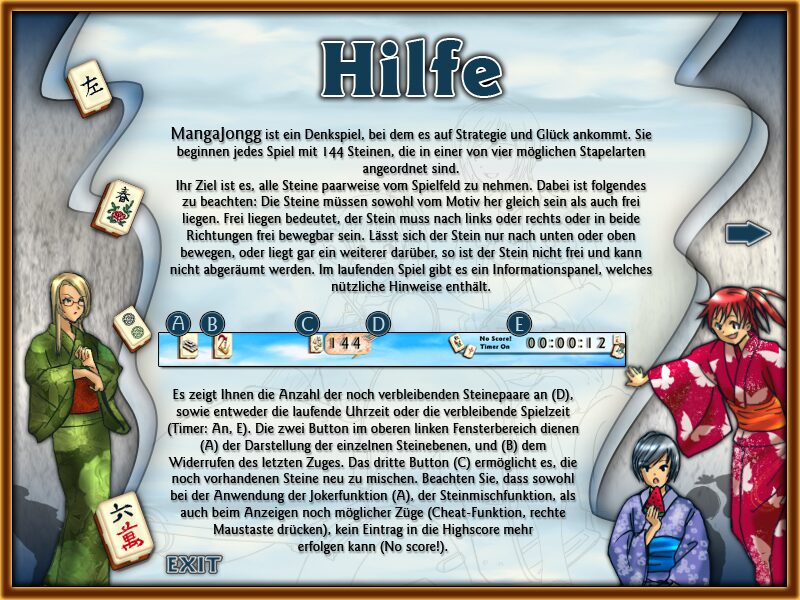
MangaJongg stays true to the tried-and-true rules of Shanghai-style tile matching, delivering the familiar thrill of clearing increasingly complex layouts. Players select two identical free tiles to remove them from the board, racing against the clock or simply savoring a relaxed puzzle-solving session. The interface is intuitive, with clear highlighting of available matches and convenient undo/redo options for those moments when you change your mind.
(HEY YOU!! We hope you enjoy! We try not to run ads. So basically, this is a very expensive hobby running this site. Please consider joining us for updates, forums, and more. Network w/ us to make some cash or friends while retro gaming, and you can win some free retro games for posting. Okay, carry on 👍)
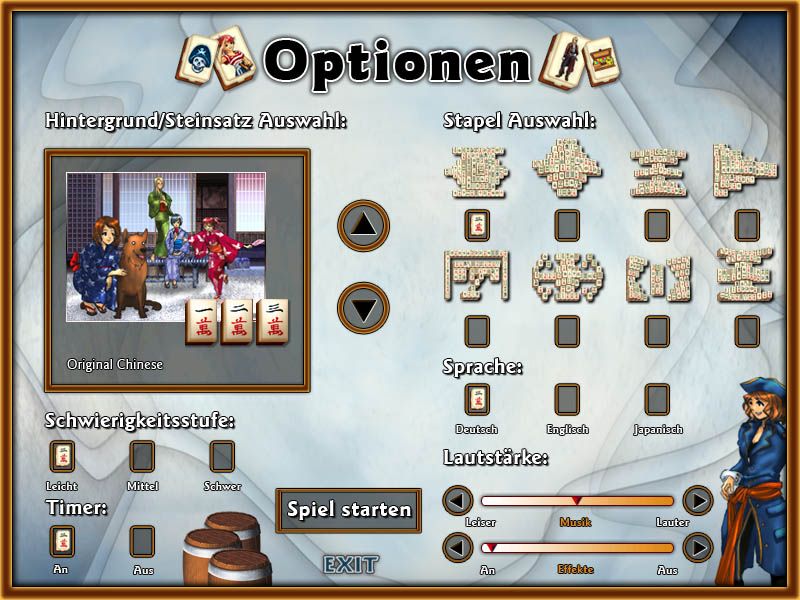
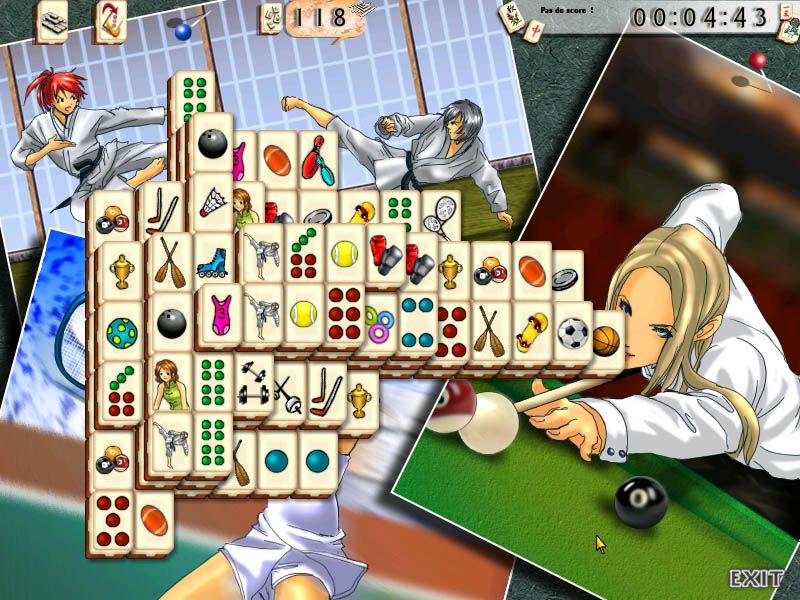
Where MangaJongg distinguishes itself is in its customization. Before each round, you can choose from a lineup of thematic backgrounds—pirates, sports, music, or traditional Chinese art—that not only alters the ambiance but also subtly influences your perception of the tile arrangement. Switching between several distinct stone sets lets you optimize readability or simply refresh the visuals if you find yourself playing for hours on end.
Beyond its core matching mechanics, MangaJongg offers adjustable difficulty settings and a variety of board layouts, from the classic turtle shape to more elaborate designs. Whether you’re a Mahjong veteran or a newcomer exploring tile-based puzzles, the game adapts to your pace. Timed challenges reward quick thinking, while the relaxed mode encourages strategic planning without the pressure of a ticking clock.
Graphics
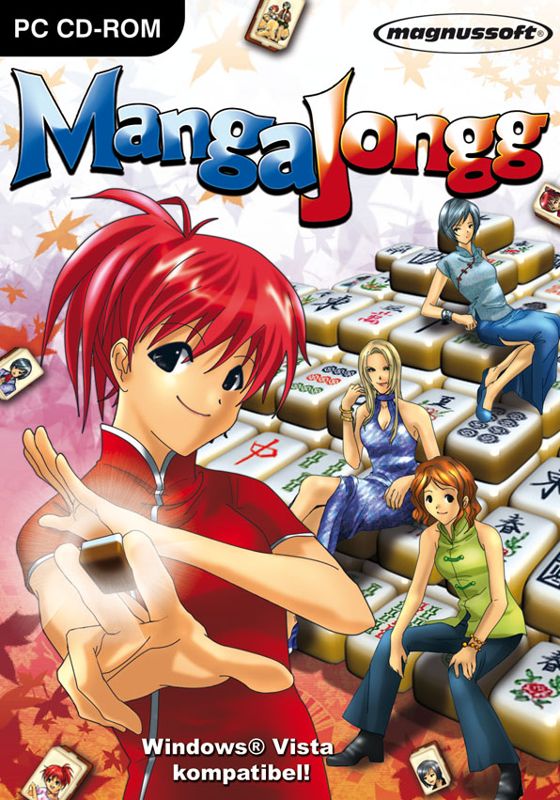
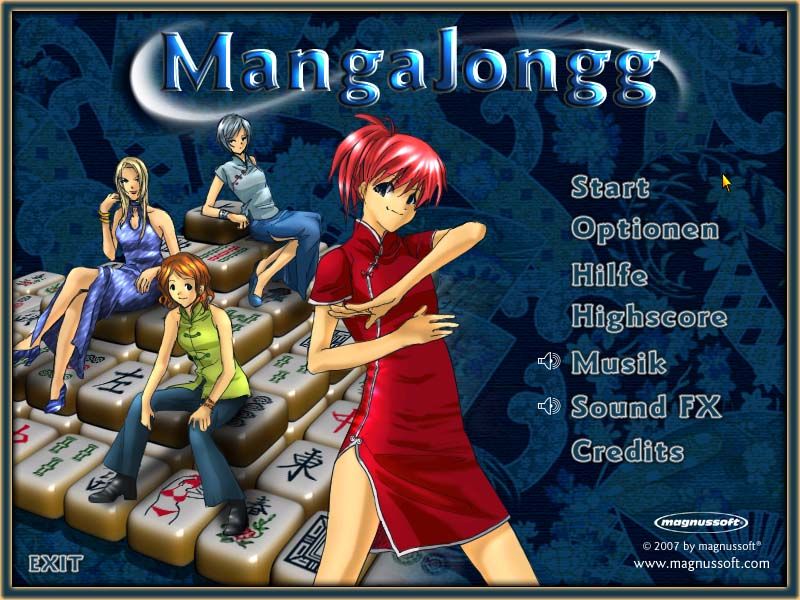
The defining feature of MangaJongg’s presentation is its Manga-style artwork, lending a playful, anime-inspired flair to every background and tile set. Characters peeking from the corners, dynamic brushstroke textures, and vibrant color palettes bring a fresh energy to what can otherwise be a static board. These illustrations never feel tacked on—they integrate seamlessly with the gameplay to create a cohesive visual identity.
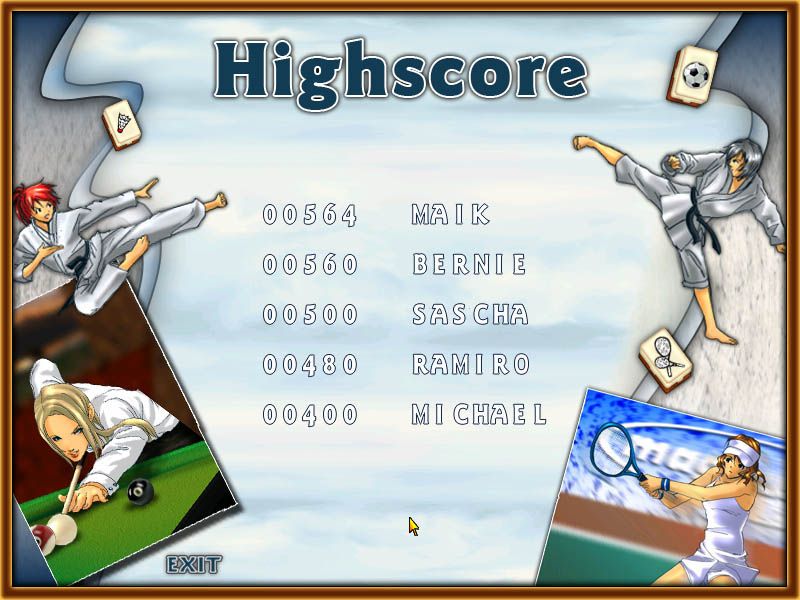
Each of the four background themes is beautifully rendered. The pirate scene boasts weathered wood planks and aged parchment motifs, while the sports setting features dynamic action lines and stylized team emblems. Music enthusiasts will appreciate the sheet-music textures and instrument silhouettes, and purists will find solace in the elegantly ornate patterns of the traditional Chinese backgrounds. Altogether, these visuals make every match feel like a mini-adventure.
Performance is smooth even on modest hardware, with fluid tile-clearing animations and crisp iconography that remains legible at high resolutions. The ability to toggle tile outlines and shadows ensures maximum contrast, helping you quickly spot pairs in more complex boards. Subtle sound effects—clicks, chimes, and character reactions—round out the audiovisual package without overwhelming the senses.
Story
Although Mahjong titles rarely feature a narrative in the traditional sense, MangaJongg injects thematic storytelling through its background art and character cameos. Each setting hints at a broader world: pirates on the hunt for treasure, athletes gearing up for the big game, musicians tuning their instruments, and scholars tracing ancient calligraphy. These vignettes enrich the puzzle experience, giving you a sense of purpose beyond mere tile clearing.
Between rounds, brief character portraits and speech bubbles offer lighthearted commentary, turning each match into a snapshot of a larger manga-inspired tale. While you won’t uncover a linear plot or dialogue-heavy cutscenes, the game’s artful touches create the illusion of an underlying storyline—enough to spur you on to the next level to see a new character reaction or background detail.
This approach strikes a good balance: you get just enough narrative flavor to stay engaged, without detracting from the game’s core focus on strategy and pattern recognition. For players who appreciate a dash of context or thematic flair, these story elements are a welcome bonus rather than an intrusive requirement.
Overall Experience
MangaJongg is a polished, engaging take on the Shanghai formula, ideal for puzzle lovers seeking aesthetic variety and subtle narrative cues. Its clean interface and responsive controls make it accessible to newcomers, while the depth of customization and board complexity provide plenty of replay value for dedicated enthusiasts. Whether you carve out a quick five-minute break or settle in for an extended challenge session, the game delivers a satisfying mental workout.
The combination of manga-inspired visuals, multiple themes, and adjustable tile sets elevates what could have been a routine tile-matching clone into a distinctive, charming title. Its smooth performance and thoughtful sound design ensure a comfortable experience across different devices, with no appreciable lag or visual clutter. Moreover, the inclusion of both timed and relaxed modes caters to a wide range of playstyles.
Ultimately, MangaJongg succeeds by respecting the core mechanics that make Shanghai-style Mahjong compelling while infusing it with personality and visual flair. If you’re in the market for a brain-teasing game that balances challenge with artistic appeal, MangaJongg is well worth exploring. The thematic diversity alone makes it a standout choice for anyone looking to refresh their puzzle library.


Reviews
There are no reviews yet.