 Retro Replay Retro Replay gaming reviews, news, emulation, geek stuff and more!



Retro Replay Review
Gameplay
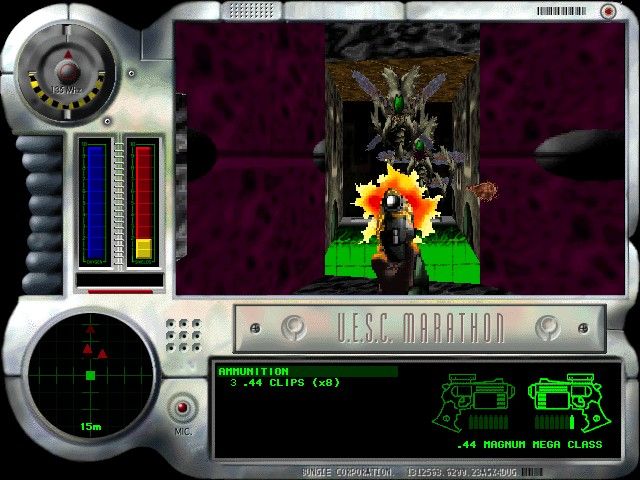
The core of Marathon’s gameplay lies in its tight first-person shooting mechanics, which were groundbreaking at the time of release and still hold up remarkably well today. Players take on the role of a security guard thrust into chaos when the Pfhor aliens launch a brutal assault on the colony ship. Armed with an arsenal of futuristic weapons—ranging from rapid-fire pistols to experimental energy rifles—you’ll need to master each weapon’s unique strengths and quirks. Notably, you can dual-wield certain firearms, adding an extra layer of strategy to every firefight.
(HEY YOU!! We hope you enjoy! We try not to run ads. So basically, this is a very expensive hobby running this site. Please consider joining us for updates, forums, and more. Network w/ us to make some cash or friends while retro gaming, and you can win some free retro games for posting. Okay, carry on 👍)
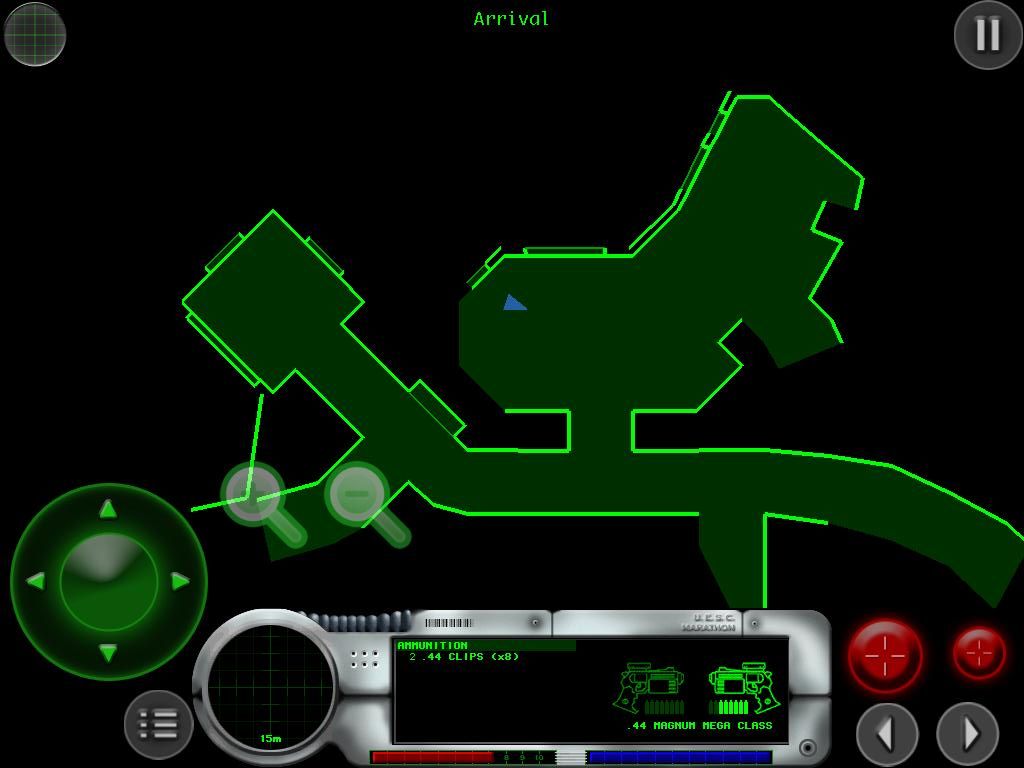
Perhaps Marathon’s most lauded innovation is its “free look” feature, allowing full 360-degree camera movement with the mouse. This intuitive control scheme revolutionized the way players interact with 3D environments and has become a staple in modern shooters. Navigating Marathon’s twisting corridors and multi-level interiors feels fluid and responsive, making it easy to track enemy combatants, dodge fire, and line up critical headshots. Whether you’re strafing across a catwalk or clearing a bridge against waves of Pfhor infantry, the control system never feels dated.
Beyond pure gunplay, Marathon peppers in environmental puzzles and objective-based missions that break up the constant action. You’ll find yourself hacking terminals to unlock doors, rerouting power supplies, and deciphering AI messages to figure out your next objective. These moments offer a welcome change of pace from fast-paced combat, testing your observational skills and rewarding you with lore tidbits that deepen your investment in the unfolding crisis. The balance between shooting, exploration, and puzzle-solving ensures the gameplay never grows stale.
Multiplayer mode also deserves praise for its versatility and enduring community support. Classic modes such as deathmatch and king of the hill hosted countless heated battles, and modern source ports have kept servers running smoothly decades after the game’s debut. If you’re looking to relive competitive LAN sessions or try your hand at cooperative scenarios, Marathon’s multiplayer offerings remain surprisingly robust.
Graphics
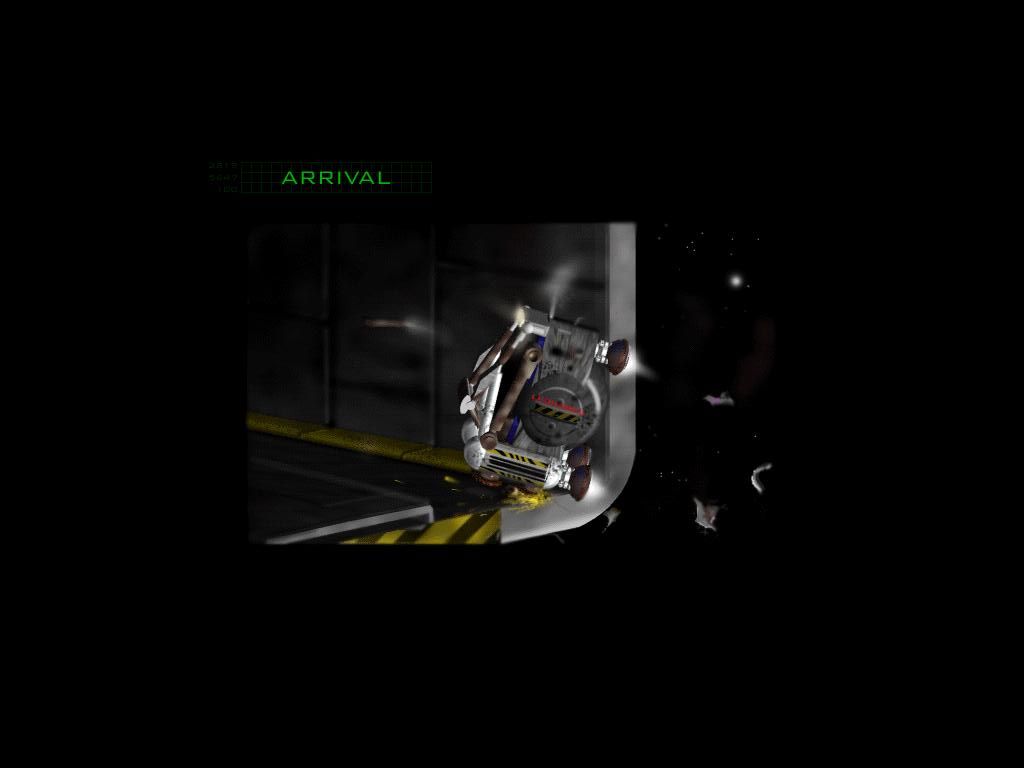
At first glance, Marathon’s graphics may appear dated compared to contemporary titles, but its stylized aesthetic and atmospheric lighting compensate generously for lower polygon counts. The game’s environments are richly detailed with sci-fi textures that evoke the bleak, industrial corridors of a massive starship under siege. Flickering lights, emergency sirens, and pools of alien biomass all contribute to a palpable sense of dread as you traverse the Marathon’s labyrinthine decks.
The color palette leans heavily into cool metallics and ominous reds, reinforcing the ship’s compromised state. While character models and enemy sprites lack the high-resolution polish of modern shooters, their designs are distinctive: the geometric shapes of mechanical drones contrast sharply with the sinewy forms of organic Pfhor warriors. These visual distinctions are not merely aesthetic; they inform your tactical choices, as certain weapons excel against machines while others are more effective on flesh.
Marathon also introduced per-pixel lighting effects that were ahead of their time, creating dynamic shadows and ambient glow in key areas. These subtle visual flourishes heighten suspense, making dimly lit maintenance shafts feel genuinely foreboding. Even today, the interplay of light and shadow in Marathon’s engine remains an instructive example of how to maximize atmosphere with limited hardware resources.
Source ports and community-made graphical enhancements have further polished the look, offering high-resolution textures, widescreen support, and improved particle effects without compromising the original art direction. Whether you stick with the classic visuals or opt for modern enhancements, Marathon’s art style continues to deliver a cohesive and memorable sci-fi setting.
Story
Marathon’s narrative unfolds through a series of in-game computer terminals, shipping manifests, and distress logs, immersing you directly in the ship’s unfolding catastrophe. As a security guard responsible for safeguarding a group of colonists, you witness firsthand the Pfhor’s ruthless onslaught and the tragic aftermath of their attack. The opening scenes are harrowing: corridors stained with alien ichor, desperate cries echoing through twisted metal halls, and the palpable fear of isolation in deep space.
Two omniscient AIs—one critically damaged and the other erratically insane—vie for control of the Marathon, amplifying the sense of uncertainty. You’ll intercept their messages as they debate, manipulate, and sometimes spitefully instruct you on how to proceed. These interactions are more than mere exposition; they inject tension and moral ambiguity into every decision. Which AI can you trust, and at what cost to your own survival and that of the remaining crew?
Between firefights, Marathon’s storytelling rewards players who seek out hidden terminals and engage with optional lore dumps. These deeper dives reveal the Pfhor’s motivations, hints of ancient cosmic forces, and the tragic fates of key crew members. It’s a layered narrative that invites replayability, as each run may uncover new details or prompt a different interpretation of the AIs’ true objectives.
The result is an enthralling sci-fi thriller that balances personal survival drama with grand cosmic stakes. Marathon doesn’t hold your hand; instead, it trusts you to piece together its mysteries, offering one of the earliest examples of environmental storytelling done right.
Overall Experience
Playing Marathon today feels like stepping into a piece of video game history that still manages to surprise and engage. Its pioneering mechanics—especially free look—laid the groundwork for countless shooters that followed, yet the game’s pacing and design remain compelling in their own right. Each level presents a new blend of combat encounters, exploration challenges, and narrative beats that keep you invested from start to finish.
The audio design further elevates the experience, with haunting ambient tracks that underscore the Isolation and adrenaline-pumping scores that kick in during intense firefights. Sound cues from alien cries and AI vocalizations heighten the immersion, ensuring you’re never lost in the vast corridors of the Marathon. Even the rudimentary voice samples feel poignant in context.
Marathon’s legacy is perhaps its greatest strength: it stands as a testament to creative ambition overcoming technical limitations. The community-driven revival through open-source ports demonstrates just how beloved and adaptable the game remains. Whether you’re a retro enthusiast hungry for a trip down gaming’s evolutionary path or a newcomer curious about the genre’s roots, Marathon offers a rich, multifaceted package.
In the end, Marathon transcends its 1994 origins by delivering a cohesive blend of action, atmosphere, and storytelling. It remains a must-play for any shooter fan or sci-fi aficionado, providing a challenging, immersive, and uniquely memorable journey aboard a ship on the brink of annihilation.


Reviews
There are no reviews yet.