 Retro Replay Retro Replay gaming reviews, news, emulation, geek stuff and more!


Retro Replay Review
Gameplay
Millie’s Math House delivers an intuitive point-and-click environment that puts young learners in control. From the moment the game starts, children are presented with a simple layout: Millie perched on her desk and a row of cubicles, each leading to different math or pre-math activities. The absence of text and the use of clear, verbal instructions ensure that even pre-readers can navigate the interface independently.
(HEY YOU!! We hope you enjoy! We try not to run ads. So basically, this is a very expensive hobby running this site. Please consider joining us for updates, forums, and more. Network w/ us to make some cash or friends while retro gaming, and you can win some free retro games for posting. Okay, carry on 👍)
There are seven distinct activities to explore, each offering two modes: Explore and Discover, and Question and Answer. In Explore mode, little ones can click around freely—lifting flaps, revealing hidden objects, and experimenting without pressure. This playful discovery phase encourages curiosity and familiarizes children with math concepts at their own pace.
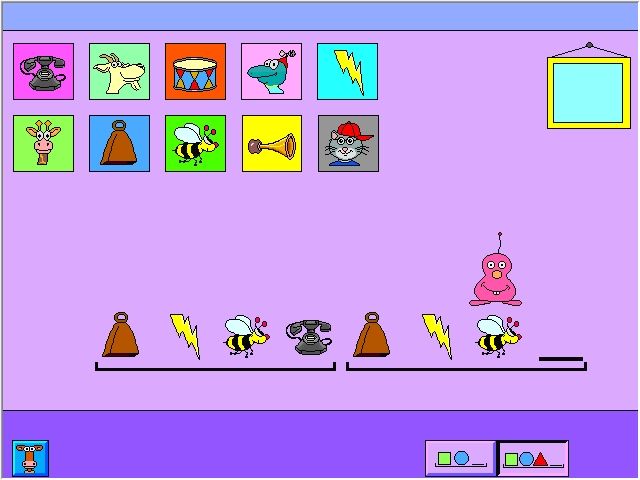
Question and Answer mode adds structure by having characters like Frank Lloyd Mouse or Dorothy Duck ask specific tasks. Whether it’s matching shoes to characters in “Little, Middle & Big” or building shapes with “Mouse House,” the activities reinforce counting, number recognition, pattern completion, and basic addition. The game welcomes mistakes without penalty, offering unlimited tries to bolster confidence.
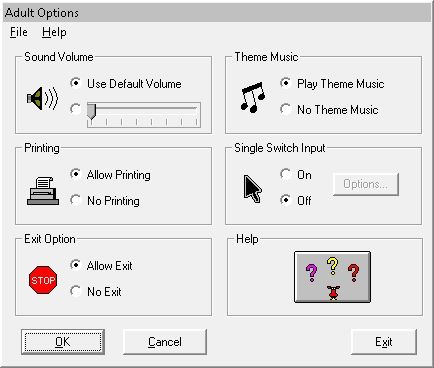
Additional controls let parents tailor the experience: disabling music, adjusting volume, or enabling single-switch input for children with alternative access needs. This flexibility, combined with voice prompts and colorful feedback, strikes a balance between guided learning and open-ended play, making it a standout choice for ages 2 to 5 and beyond.
Graphics
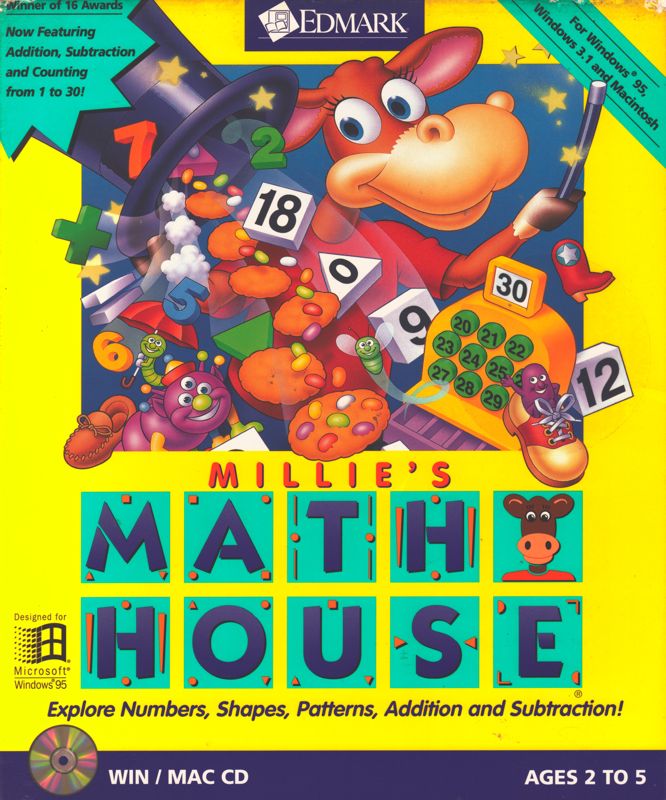
Visually, Millie’s Math House employs bright, hand-drawn illustrations that feel warm and inviting. Characters like Annie the Worm and Harley the Horse are rendered with soft lines and cheerful expressions, immediately appealing to preschoolers. The color palette is rich but not overwhelming, ensuring that key objects stand out without visual clutter.
The backgrounds in each activity are thoughtfully designed to provide context—blueprints in Mouse House, a stage curtain in What’s My Number?, or a factory conveyor belt in Cookie Factory. These environments are both playful and purposeful, reinforcing the mathematical theme of each game segment. Animation is simple yet effective: objects bounce, characters nod, and progress is marked with friendly sound cues.
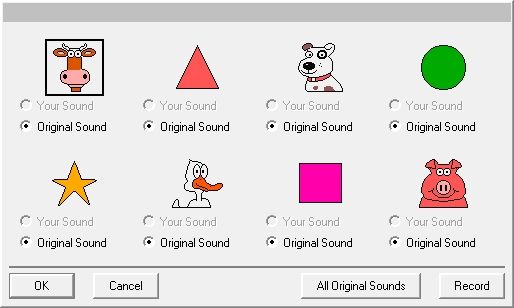
While the graphics won’t rival modern 3D titles, they excel in clarity and charm. Every clickable icon is large enough for small hands and easy to distinguish. The inclusion of sound effects tied to images—such as Boing’s bounces in “Bing & Boing”—adds another sensory layer, and the optional microphone feature lets children record their own sounds for a truly personalized experience.
Story
Unlike adventure games with elaborate narratives, Millie’s Math House frames its educational journey through a simple, whimsical premise. Millie, the game’s host, sits at the center, inviting players to explore the cubicles around her. This “welcome desk” concept provides a cozy home base to return to between activities, giving the game a light but consistent throughline.
Each cubicle introduces a new character and task, effectively turning math drills into mini-stories. In Mouse House, Frank Lloyd Mouse becomes an architect guiding the player to collect shapes, while Dorothy Duck hides behind a curtain, waiting for children to guess her object count. These little vignettes give personality to each lesson and transform number practice into interactive episodes.
The lack of an overarching plot is intentional, keeping the focus on skill-building rather than storytelling. Yet, the charming cast and their quirky requests craft an implied narrative: children are guests in Millie’s home, helping her friends solve everyday problems with math. This structure not only maintains engagement but also supports incremental learning without overwhelming young minds.
Overall Experience
Millie’s Math House shines as an educational tool that marries fun with foundational math skills. The game’s friendly interface and flexible difficulty levels allow it to grow with the child: toddlers enjoy the click-and-explore freedom, while preschoolers and early elementary students can tackle basic addition and subtraction in the updated version. Unlimited retries and encouraging feedback ensure frustration stays at bay.
Parents will appreciate the built-in configuration options that let them manage sound, printing of worksheets or certificates, and exit permissions. The absence of timed challenges or negative consequences promotes a relaxed learning environment, where mastery is rewarded, not hurried. This thoughtful design caters to diverse learning styles and keeps children engaged through positive reinforcement.
For those seeking an early learning title that truly respects young players’ autonomy, Millie’s Math House stands out. Its blend of exploration and structured tasks fosters a sense of agency, while the variety of activities—counting shoes, completing patterns, building bugs—ensures that core math concepts are covered in delightful ways. The game remains a timeless choice for families and educators aiming to make math both accessible and enjoyable.
Whether used at home or in a classroom setting, Millie’s Math House offers an experience that is as educational as it is entertaining. Its age-appropriate challenges, engaging characters, and thoughtfully designed interface make it a valuable addition to any early learning library. Young learners come away not only with stronger number skills but also with the confidence that math can be a fun, exploratory adventure.


Reviews
There are no reviews yet.