 Retro Replay Retro Replay gaming reviews, news, emulation, geek stuff and more!

Retro Replay Review
Gameplay
Min & Meer unfolds as a concise but captivating interactive experience, perfectly in tune with the experimental spirit of Tale of Tales. From the moment you insert the album disc into your computer, you’re invited into a series of vignettes where clicking and dragging are your only tools—and yet they feel remarkably powerful. Each scene tasks you with discovering hidden triggers in the environment, combining items or activating hotspots in just the right order to coax new layers of music and lyric into play.
(HEY YOU!! We hope you enjoy! We try not to run ads. So basically, this is a very expensive hobby running this site. Please consider joining us for updates, forums, and more. Network w/ us to make some cash or friends while retro gaming, and you can win some free retro games for posting. Okay, carry on 👍)
While there is no traditional difficulty curve, the game’s understated puzzles strike a satisfying balance between challenge and intuition. Early on, a simple drag-and-drop interaction might reveal an isolated vocal sample; later, you’ll find yourself chaining actions to unlock entire choruses. This structure transforms exploration into a playful dance with the album’s songs, where each successful interaction rewards you with fresh sonic fragments and visual flourishes.
Controls are straightforward and accessible to anyone familiar with point-and-click mechanics, yet the game never feels trivial. The real intrigue lies in experimentation—wandering through each tableau, experimenting with various objects and triggers, and observing how your actions reshape the soundtrack. Though the experience clocks in at under an hour, the sense of discovery is potent enough to invite multiple revisits.
Graphics
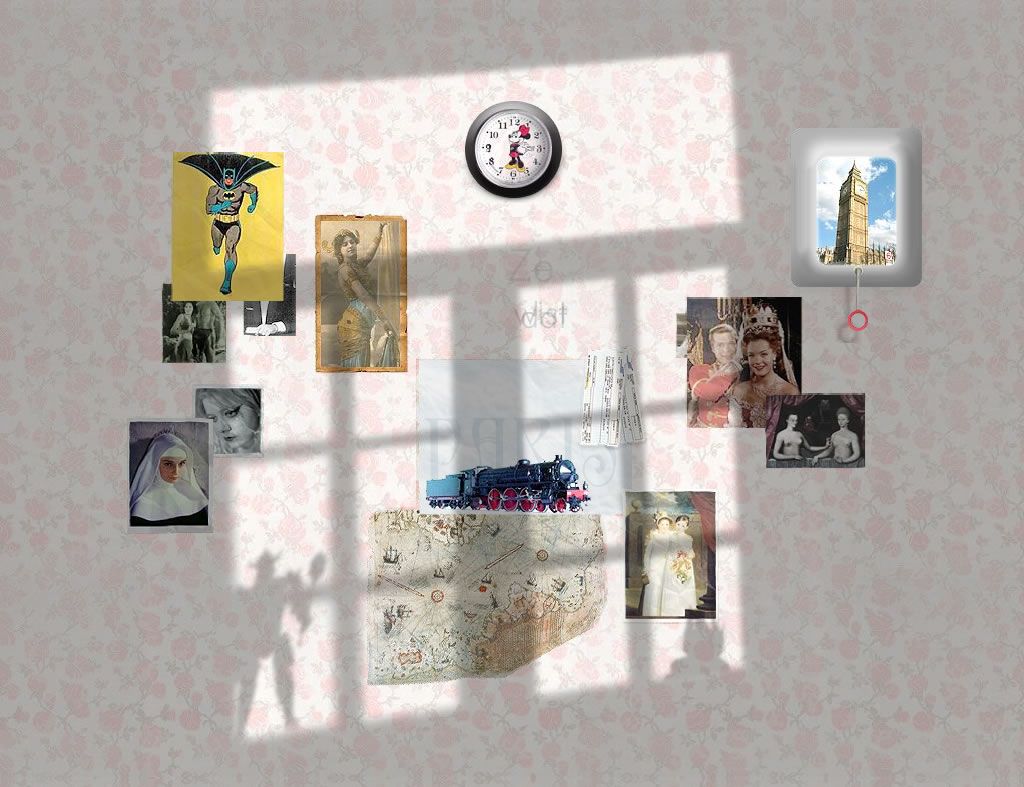
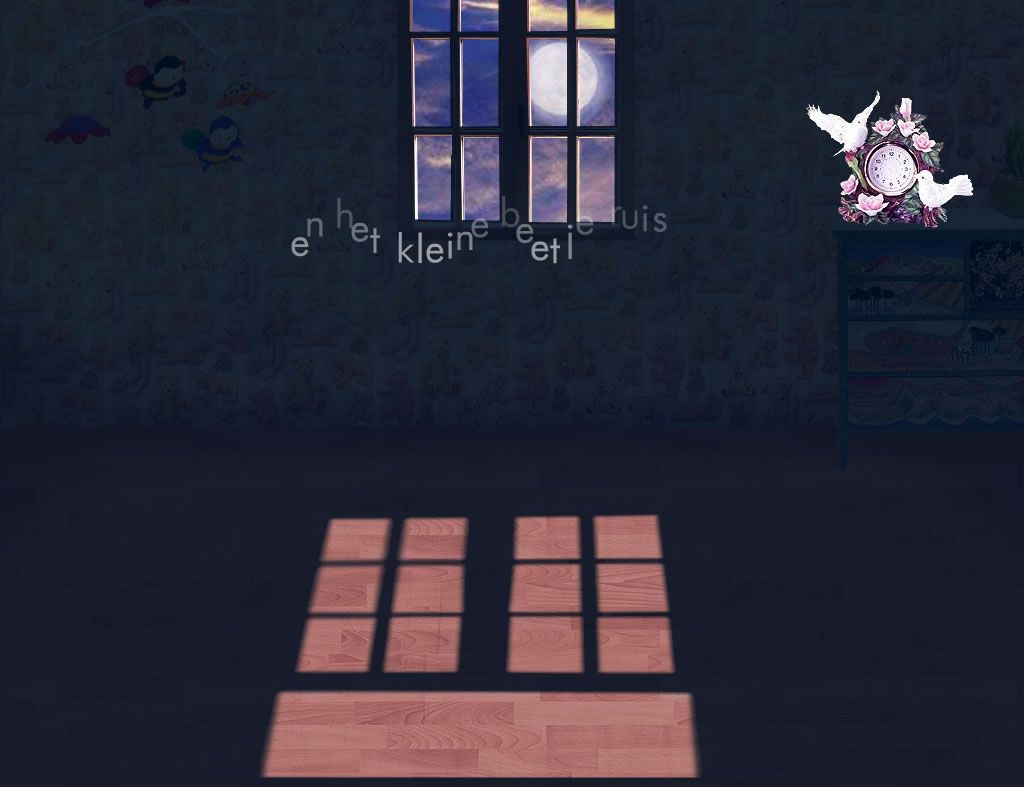
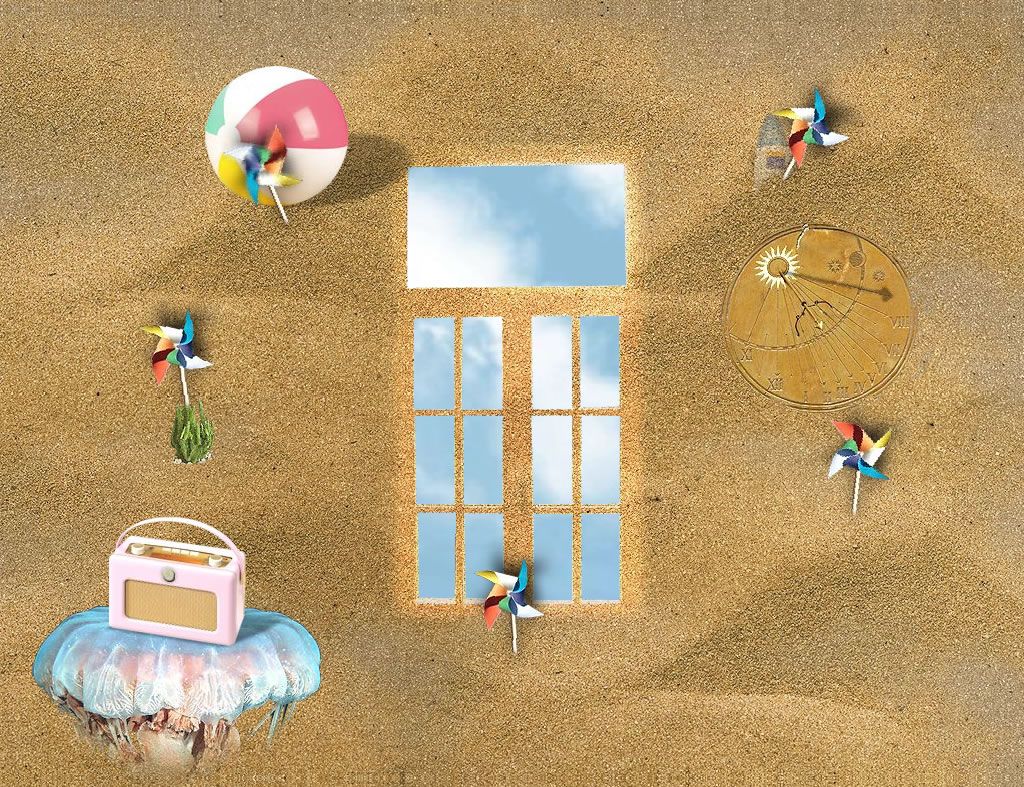
Graphically, Min & Meer embraces a minimalist, almost dreamlike aesthetic that perfectly complements Gerry De Mol and Eva De Roovere’s music. The environments are rendered in soft, muted palettes, with occasional bursts of color that pulse in time with the underlying rhythms. This restraint allows the visuals to remain unobtrusive while still delivering moments of striking beauty.
Each scene feels like a living illustration, with hand-drawn elements that fade in and out or ripple under your cursor. Animations are subtle but purposeful: a drifting leaf might flutter to reveal a hidden lyric, or a glinting object may beckon you closer. These delicate touches create a sense of immersion without overwhelming the senses, letting the music remain at the forefront.
Though the resolution and effects harken back to mid-2000s technology, they’ve aged gracefully. There’s a charming tactility to the pixelated edge of each sprite and the gentle layering of semi-transparent overlays. Far from feeling dated, the graphic style enhances the game’s identity as an interactive art piece that stands apart from mainstream offerings.
Story
Min & Meer does not present a linear narrative in the conventional sense, yet it weaves its own poetic through-line by interlacing fragments of lyrics and imagery. As you progress through each segment, partial lines of text emerge in the background—sometimes legible in full, sometimes obscured—inviting you to assemble meaning from the parts. This approach mirrors the album’s themes of contrast, abundance, and restraint.
Rather than telling a fixed tale, the game encourages personal interpretation. One scene might conjure feelings of nostalgia through a looping piano sample and a drifting paper boat, while another taps into a more primal energy with percussive beats and pulsating shapes. By positioning players as active participants, Min & Meer transforms passive listening into a collaborative act of storytelling.
The absence of explicit exposition or character arcs is intentional, reflecting the “less and more” motif at the heart of the project. You’re not guided by dialogue or mission briefs; instead, you’re free to experience the emotional contours of the album on your own terms. This open-ended design ensures the game lingers in your memory long after the final note fades.
Overall Experience
Playing Min & Meer feels like stepping into a living art installation—one where sound and vision converge to create fleeting moments of wonder. It’s a brief journey, to be sure, but it’s packed with texture and musical nuance. Fans of experimental and art-house games will find plenty to admire, while anyone curious about the intersection of interactive media and music will discover fresh inspiration.
The game’s primary value lies in its ability to deepen your connection to the album it accompanies. By tying each mechanic directly to musical cues and vocal snippets, your interactions become an act of amateur remixing, layering meaning atop melody. This symbiotic relationship between player and song makes Min & Meer more than just a bonus—it feels like an integral part of the artistic statement.
If you approach Min & Meer expecting a sprawling adventure or fast-paced action, you may walk away wanting more content. But for those willing to embrace its meditative pace and unconventional structure, it offers a uniquely intimate experience. As both a standalone interactive piece and a companion to Gerry De Mol and Eva De Roovere’s music, it succeeds in capturing the elusive balance between restraint and expression—proof that sometimes, less truly can be more.


Reviews
There are no reviews yet.