 Retro Replay Retro Replay gaming reviews, news, emulation, geek stuff and more!


Retro Replay Review
Gameplay
Rainbow Fish and the Whale embraces a classic point-and-click adventure style that’s perfectly tailored to younger audiences. From the moment players dive in, they’re greeted with intuitive controls—a simple click on colorful icons or characters propels Rainbow Fish through the whale’s belly and into each of the game’s whimsical mini-quests. The two difficulty levels, selectable at sign-in, ensure that beginners can explore at a gentle pace while more experienced players can test their reflexes and decision-making under a bit more pressure.
(HEY YOU!! We hope you enjoy! We try not to run ads. So basically, this is a very expensive hobby running this site. Please consider joining us for updates, forums, and more. Network w/ us to make some cash or friends while retro gaming, and you can win some free retro games for posting. Okay, carry on 👍)
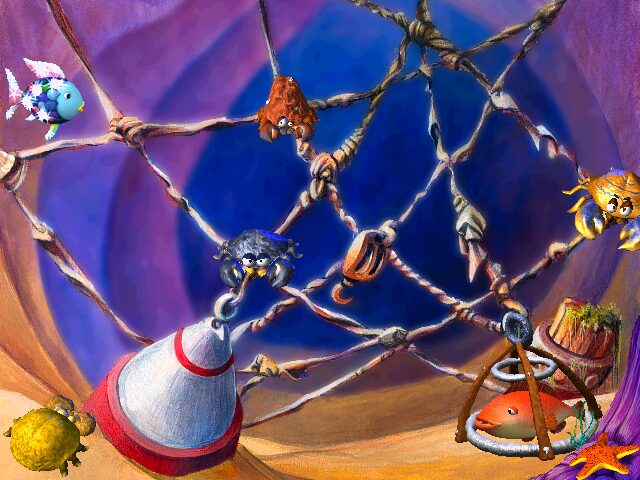
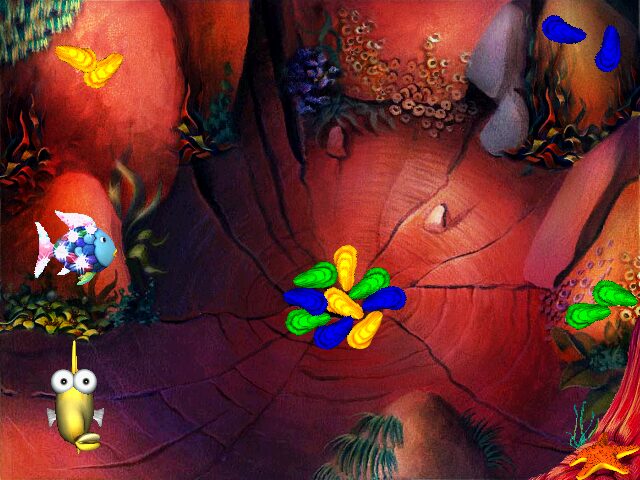
The heart of the gameplay lies in its series of engaging mini-games. Whether you’re trying to corral mussels by color or popping bubbles to free Ruby, each activity offers a fresh challenge. The “Find Giggles” segment keeps players on their toes as the mischievous fish pops up from behind coral pipes, while freeing Molo from the crab brothers requires timing and strategic clicking to dodge pinches. These bite-sized puzzles are varied enough to hold attention and short enough to avoid frustration.
Choices are woven seamlessly into the action via Yes-No fish icons—a nodding fish to proceed and a head-shaker to decline. This visual approach makes the branching paths accessible even to non-readers, and it means kids can shape their own adventure. Depending on which choices they make, they’ll navigate toward one of two endings, adding replay value and a sense of agency rarely seen in preschool-focused titles.
Progression feels rewarding without ever overwhelming. Tasks like repairing Whale’s broken geyser machine by finding and slotting sea urchins add light inventory management, but there’s no backtracking labyrinth or hidden pixel hunt to trip up little hands. By striking a balance between variety and simplicity, Rainbow Fish and the Whale delivers a consistent stream of interactive storytelling that remains engaging from start to finish.
Graphics
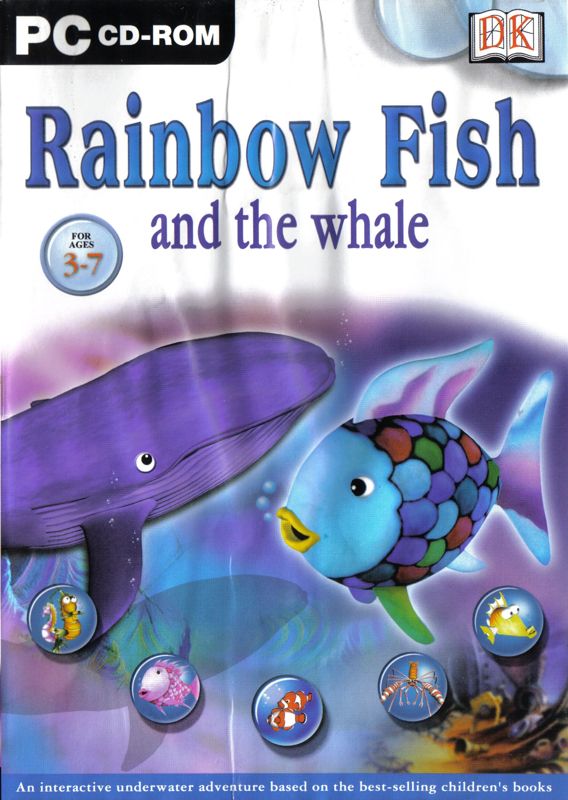
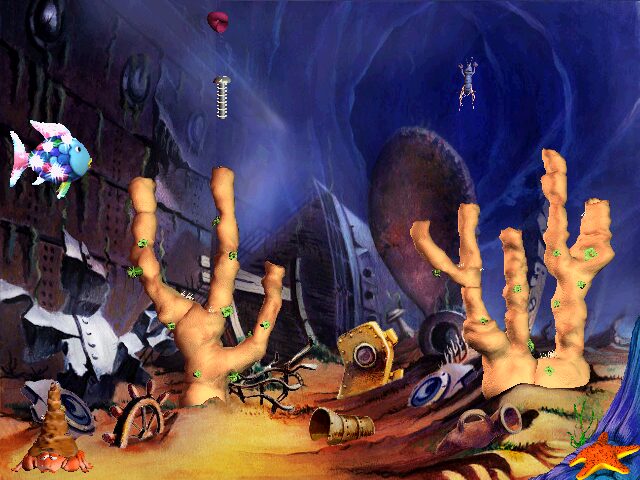
The visual style of Rainbow Fish and the Whale remains true to Marcus Pfister’s beloved picture books, featuring vibrant, watercolor-inspired backgrounds that pop on screen. Each environment—from the cluttered junkyard inside the whale to the tranquil sea gardens—boasts rich hues and subtle gradient shifts that bring the underwater world to life. Animations are smooth, with Rainbow Fish’s scales shimmering as he glides across the screen and bubble effects that add a playful sense of depth.
Character design is equally delightful. Rainbow Fish’s expressive eyes and the comedic squint of Hermit Crab turn simple interactions into charming vignettes. Even peripheral creatures—like the mischievous crab brothers or the hidden seahorse baby—are rendered with enough detail to make spotting them a satisfying mini-discovery. The art team has gone the extra mile with subtle details, such as floating plankton and drifting seaweed, which lend authenticity to the setting.
Transitions between scenes are thoughtfully executed with soft fades and occasional splash animations that mimic water currents. These effects not only keep the graphical flow smooth but also help younger players stay oriented as they move from one task to another. Despite being aimed at children, the graphics never feel watered down or overly simplistic; instead, they strike a perfect balance between aesthetic appeal and functional clarity.
Furthermore, the UI icons—especially the Yes-No fish—are large, colorful, and instantly recognizable. Players never need to guess what an action does, which reinforces confidence and independence. Overall, the graphical presentation is a standout feature that elevates Rainbow Fish and the Whale above many other educational titles in this age range.
Story
At its core, Rainbow Fish and the Whale tells a warm, adventurous tale of friendship and problem-solving. The narrative kicks off when Hermit Crab delivers the alarming news that Whale has accidentally swallowed several sea friends. This premise immediately sets up a clear goal—rescue the missing companions—while retaining a gentle, nonthreatening tone suitable for preschoolers.
As Rainbow Fish and Hermit Crab explore the whale’s belly, the story unfolds through short dialogue sequences and playful cutscenes. These interludes inject personality into each quest, whether you’re coaxing a shy Giggles out of hiding or convincing a flower to bloom so its seahorse baby can escape. The writing is simple but engaging, often peppered with light humor that parents and children alike can appreciate.
The branching choices in the narrative empower young players to influence the outcome. Decisions feel meaningful without being stressful; for example, choosing which path to follow or whether to help a character first can slightly alter the order of mini-games and the final escape route. With two possible endings, kids are encouraged to play a second time to see how alternate choices play out.
Underneath its vibrant exterior, the story champions collaboration, empathy, and creative thinking. By guiding Rainbow Fish through varied puzzles, players learn that multiple approaches can solve a problem—whether it’s popping bubbles or repairing machinery. This message of adaptability and friendship ties each gameplay segment together into a cohesive, heartwarming adventure.
Overall Experience
Rainbow Fish and the Whale is an inviting blend of storytelling, puzzle-solving, and gentle exploration that resonates with its target audience. The game’s well-paced structure keeps children engaged without overwhelming them, and the clear, colorful visuals make navigation intuitive. Parents can appreciate the lack of time limits, pop-up ads, or confusing menus—everything is designed to let little ones play independently and learn at their own pace.
Replayability is a strong point. With two difficulty settings and branching paths leading to different endings, children will want to return to Rainbow Fish’s world to uncover every hidden nook, meet every character, and experience both outcomes. The variety of mini-games—from color sorting to bubble popping—ensures that no two play sessions feel identical.
While firmly aimed at preschool and early elementary ages, the game’s educational undertones are never overt. Players organically develop listening comprehension and basic problem-solving skills as they help Rainbow Fish on his quest. The positive reinforcement and cheerful soundtrack further enhance the mood, creating an overall experience that’s as uplifting as it is enriching.
In conclusion, Rainbow Fish and the Whale offers a gentle, beautifully crafted adventure that nurtures young imaginations. It successfully captures the spirit of Marcus Pfister’s books while introducing interactive elements that keep the experience fresh. For families seeking a safe, engaging, and replayable story-driven game for their children, the journey inside the whale’s belly is well worth taking.


Reviews
There are no reviews yet.