 Retro Replay Retro Replay gaming reviews, news, emulation, geek stuff and more!
Retro Replay Review
Gameplay
The Magic School Bus Whales and Dolphins Activity Center delivers a diverse set of interactive experiences that keep young learners engaged from start to finish. As soon as you load the program, you’re greeted by Ms. Frizzle and her eager students, who guide you through a series of mini-games, art activities, and virtual experiments. Each activity is designed around a specific learning objective—whether it’s discovering the feeding habits of humpback whales or creating a colorful dolphin diorama—so children feel a genuine sense of progress as they move from one challenge to the next.
(HEY YOU!! We hope you enjoy! We try not to run ads. So basically, this is a very expensive hobby running this site. Please consider joining us for updates, forums, and more. Network w/ us to make some cash or friends while retro gaming, and you can win some free retro games for posting. Okay, carry on 👍)
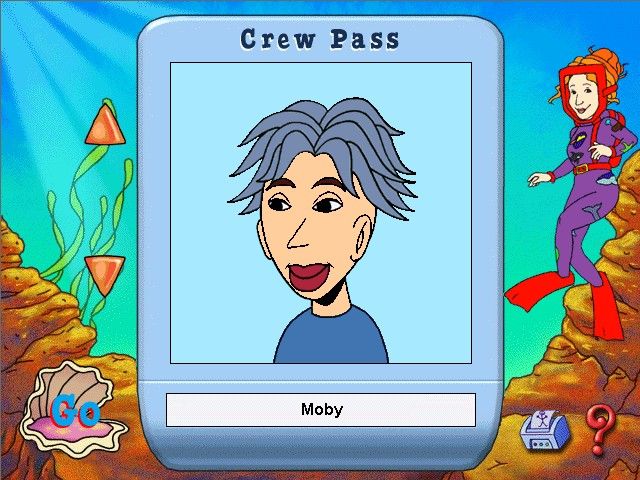
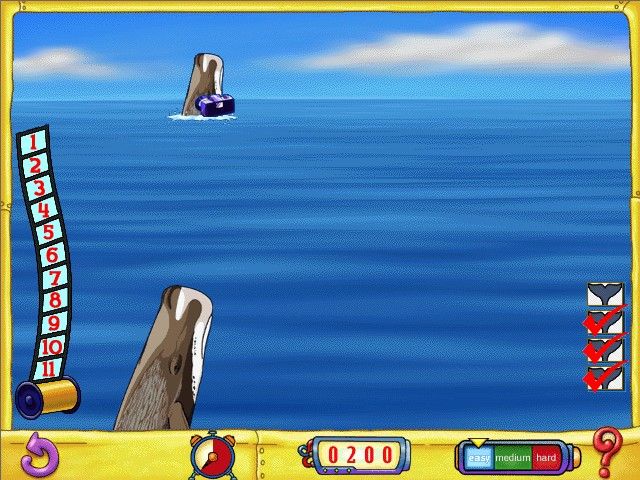
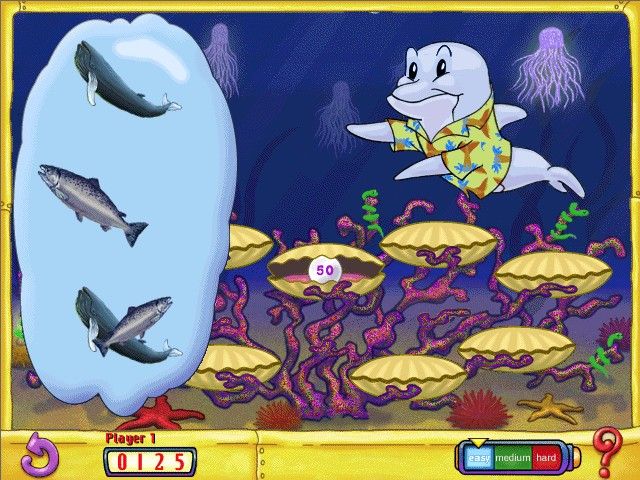
Navigation is intuitive and kid-friendly. Big, brightly colored icons guide children to different “stations” on Ms. Frizzle’s ship, where they can choose between arcade-style games, hands-on science experiments, and creative art projects. The arcade games, such as “Echo-Location Challenge,” introduce basic scientific principles in a playful way, while the art station allows kids to design their own whale patterns or create an underwater scene using on-screen tools. Each station offers clear on-screen instructions, and friendly voice prompts from the show’s characters ensure that players never feel lost or frustrated.
Difficulty levels are appropriately tiered for ages 6 to 10. Younger players can explore freely or stick to simpler tasks, while older children can tackle more complex experiments and problem-solving activities. The program provides gentle feedback and encouragement—correct answers trigger fun animations, while mistakes prompt hints that guide players toward the right solution. Overall, the balance between exploration, challenge, and guided learning makes the gameplay both entertaining and educational.
Graphics
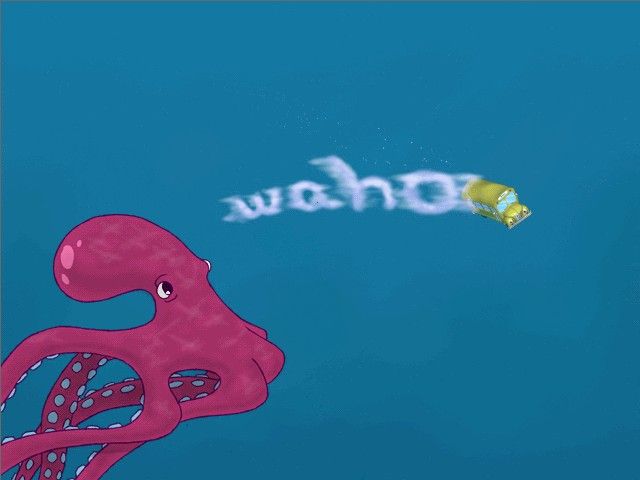
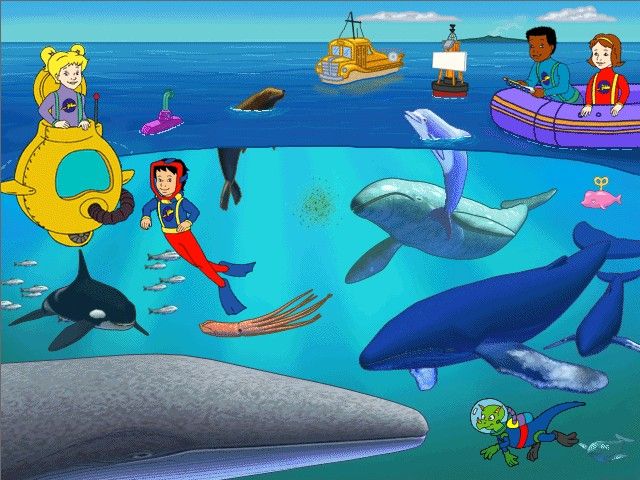
Visually, the Activity Center faithfully captures the beloved art style of The Magic School Bus TV series. Characters like Ms. Frizzle, Ralphie, and Dorothy Ann appear in crisp, hand-drawn animations that pop against richly colored backgrounds. Whether you’re diving into the blue depths of the Pacific Ocean or sketching a humpback whale in the art studio, the game’s palette is bright, inviting, and perfectly suited to its young audience.
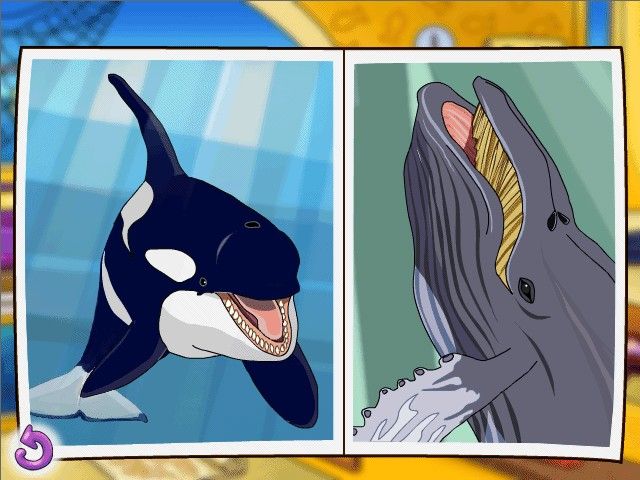
Animations are smooth and expressive, especially when marine creatures come to life on screen. Dolphins leap playfully, whales spout water in realistic arcs, and tiny plankton swirl around in microscopic views. These visual flourishes not only add charm but also reinforce the science concepts being taught—children can see firsthand how blubber keeps a whale warm or how sound waves help dolphins navigate murky waters.
Performance is steady, even on lower-end systems typically found in classrooms and family computers. Load times between activities are minimal, and there are virtually no glitches to distract from the learning experience. Sound effects and background music complement the visuals without overwhelming them, making every click and correct answer feel rewarding.
Story
The narrative framework of Whales and Dolphins is simple yet effective: Ms. Frizzle takes her class on a field trip to study marine mammals in their natural habitat. This familiar premise anchors each activity, giving context to otherwise abstract science facts. As players progress through the game, they unlock “Field Notes” that reveal deeper insights into whale migration patterns, dolphin social behavior, and the impact of ocean currents.
Dialogues and voiceovers by the show’s characters add personality and humor. Ms. Frizzle’s trademark enthusiasm shines through every instruction, and the students chime in with curious questions or exclamations of delight. This interplay feels authentic to the TV series and helps sustain a sense of adventure. Even the most fact-heavy segments are presented as part of an unfolding story rather than isolated lectures.
The thematic consistency is commendable: you never feel like you’ve jumped to an unrelated topic. From measuring krill under a virtual microscope to designing your own eco-friendly whale sanctuary, each activity builds on the last. This narrative cohesion not only keeps children invested but also reinforces key learning objectives through repetition and contextual application.
Overall Experience
Scholastic’s The Magic School Bus Whales and Dolphins Activity Center strikes an excellent balance between entertainment and education. It’s easy to imagine a classroom teacher using this software during a unit on marine biology, just as it’s perfect for parents looking to supplement school lessons at home. The combination of art, science experiments, and arcade-style mini-games ensures that children with different interests all find something to enjoy.
Replay value is high: once a child completes an activity, they often return to improve their score or explore alternate outcomes. The “Field Notes” section encourages them to revisit experiments to uncover additional facts, while the art station inspires multiple creative iterations. These design choices extend the life of the software well beyond an initial playthrough.
Overall, The Magic School Bus Whales and Dolphins Activity Center offers a compelling, well-rounded experience for kids ages 6 to 10. It fosters genuine curiosity about the ocean’s giants, delivers age-appropriate challenges, and looks—and sounds—fantastic while doing it. For any family or educator seeking an engaging introduction to marine science, this title delivers a whale of a time.


Reviews
There are no reviews yet.