 Retro Replay Retro Replay gaming reviews, news, emulation, geek stuff and more!
Retro Replay Review
Gameplay
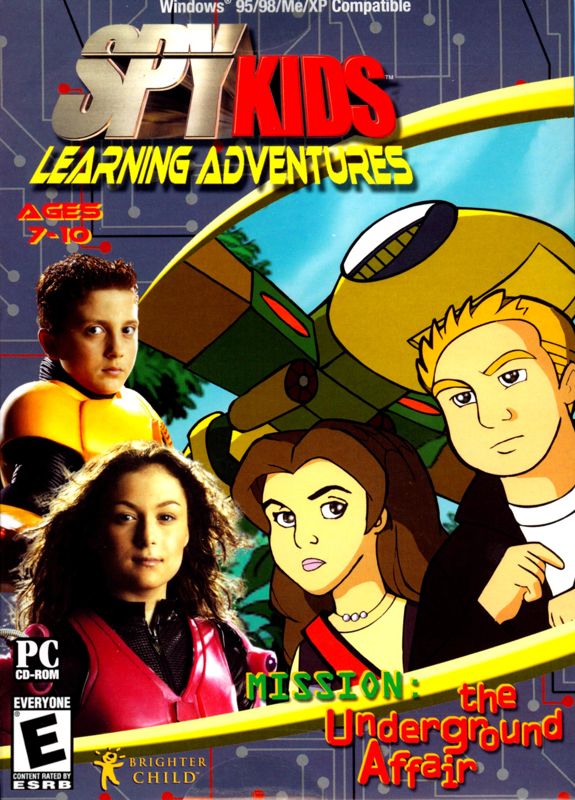
Spy Kids Learning Adventures: Mission: The Underground Affair combines traditional point-and-click exploration with a hands-on puzzle book, inviting players to become active participants in the mission. Rather than relying solely on on-screen tasks, children flip through a companion book to decode hidden messages, match symbols, and solve logic puzzles that directly influence the in-game progression. This hybrid approach keeps young minds engaged by blending digital interaction with tactile learning.
(HEY YOU!! We hope you enjoy! We try not to run ads. So basically, this is a very expensive hobby running this site. Please consider joining us for updates, forums, and more. Network w/ us to make some cash or friends while retro gaming, and you can win some free retro games for posting. Okay, carry on 👍)
The game’s interface is intuitive and accessible, featuring clear icons and voice-over guidance that ensures players never feel lost. As you navigate through secret chambers, control gleaming spy gadgets, and collect clues, the puzzles in the book escalate in difficulty at a steady pace. Early levels introduce pattern-recognition tasks, while later chapters demand spatial reasoning and deductive skills, offering a balanced challenge that adapts to different ages and abilities.
Replayability comes from optional side puzzles and hidden easter eggs tucked into the vibrant backgrounds. Completing every task not only unravels more of the Underground Affair’s secrets but also rewards players with digital stickers and unlockable concept art. This incentive system encourages thorough exploration, making each playthrough feel fresh and rewarding for curious young spies.
Graphics
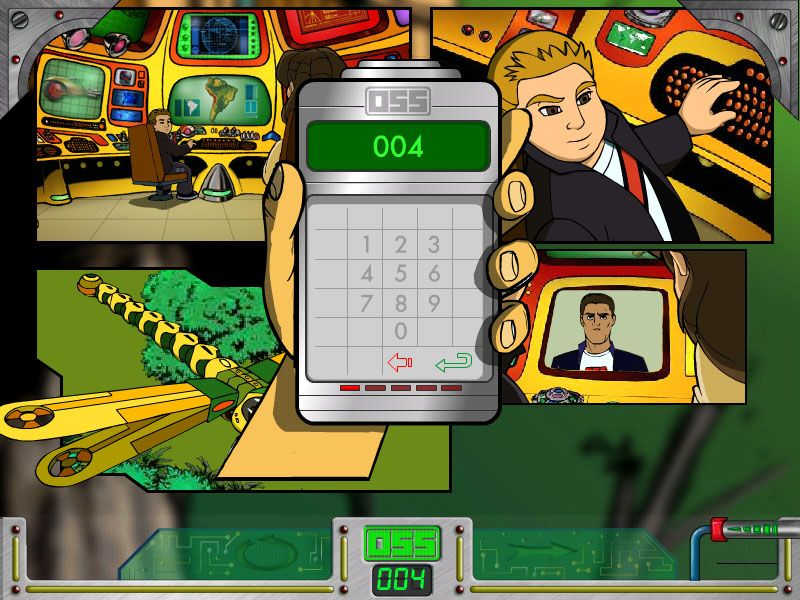
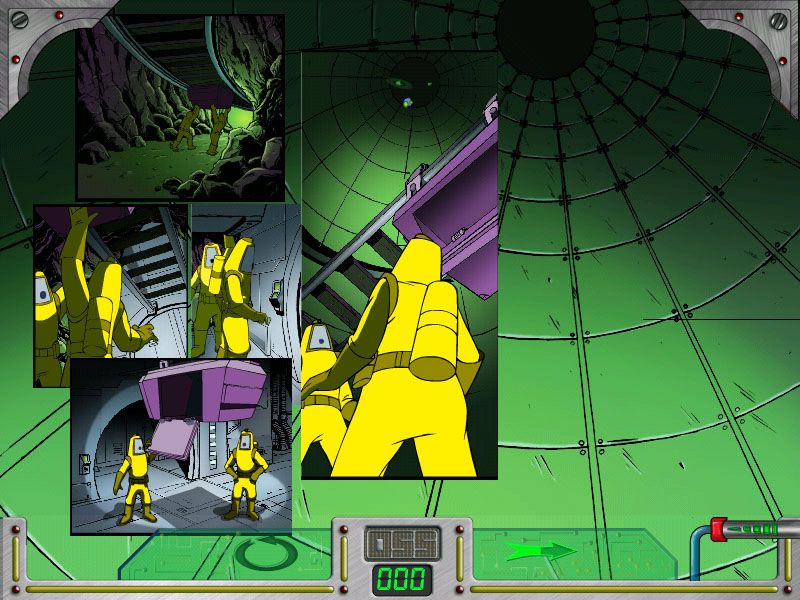
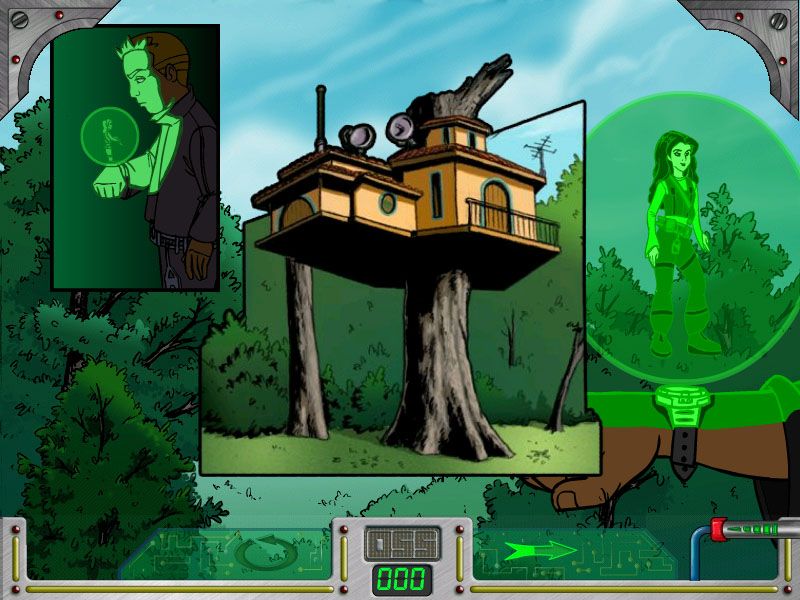
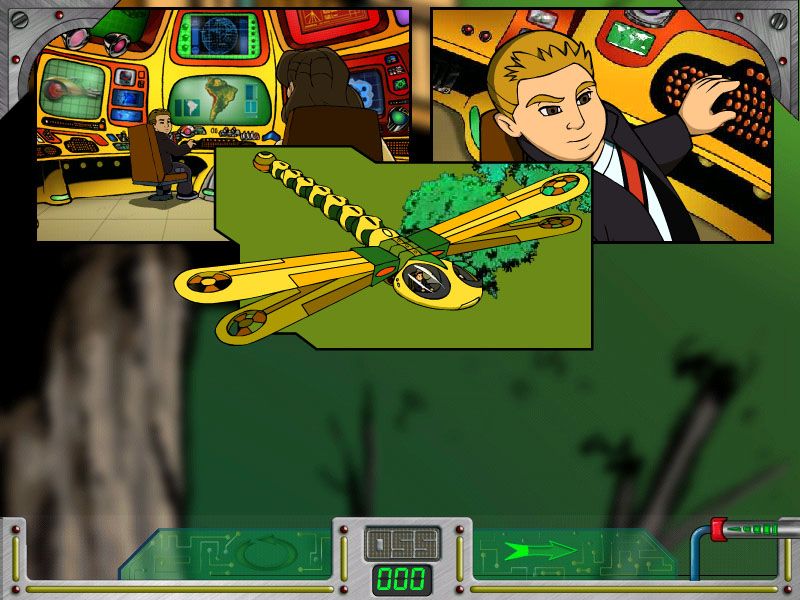
The visual presentation adopts a comic book-style art direction that feels both whimsical and dynamic. Bold outlines, exaggerated character expressions, and vibrant color palettes give life to the Spy Kids universe, evoking the charm of a Saturday morning cartoon. Backgrounds are rich with detail—secret laboratories shimmer with neon lights, while underground tunnels are painted in earthy tones that contrast sharply with the glint of anti-gravity mineral ore.
Cutscenes are rendered as animated comic panels, complete with speech bubbles and onomatopoeic sound effects like “ZAP!” and “SWOOSH!” This style keeps cinematic sequences short and punchy, avoiding long, unskippable animations that could frustrate younger audiences. Transitions between panels are accompanied by subtle motion effects, giving the illusion of movement without demanding heavy system resources.
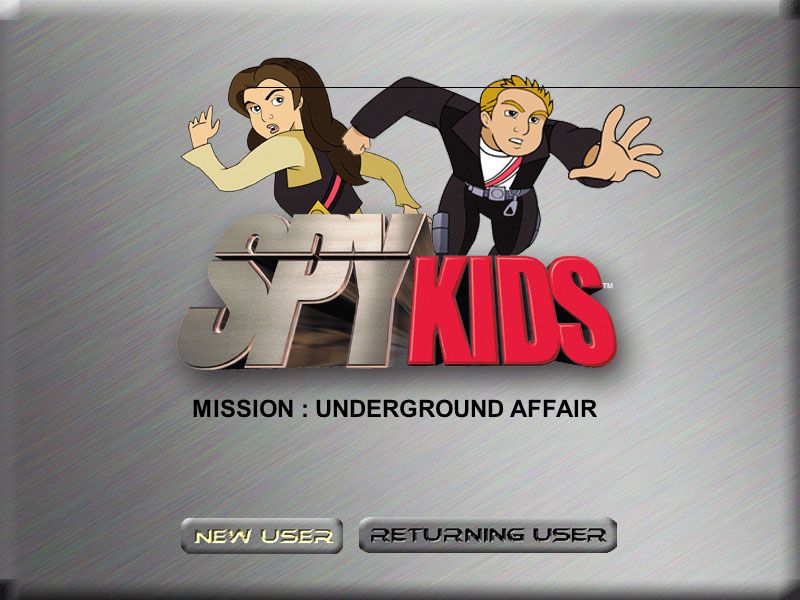
While character sprites don’t boast photorealistic detail, their expressive designs convey personality effectively. The Spy Kids themselves are instantly recognizable by their distinctive outfits and gadget-laden backpacks. Environmental elements—such as puzzle boards, control panels, and hidden safes—are clearly drawn and color-coded, which helps players quickly identify interactive hotspots and maintain focus on objectives.
Story
The narrative kicks off with the alarming theft of anti-gravity mineral ore, a substance coveted by both heroes and villains for its ability to defy physics. When the ore vanishes from a high-security silo, the Spy Kids are summoned to infiltrate the underground facility and uncover the culprit. This premise immediately sets a high-stakes stage that drives curiosity and motivates puzzle solving.
Throughout the adventure, the storyline is delivered in comic-style panels accompanied by witty dialogue and playful banter between characters. Each chapter of the plot is bookended by these sequences, which succinctly recap discoveries and tease upcoming challenges. This episodic structure maintains pacing and gives young players a clear sense of accomplishment as they close each chapter.
Secondary characters, including gadget-inventor allies and suspect villains, are introduced at key moments to deepen the mystery. Their unique personalities and colorful designs keep the narrative lively, even when the focus returns to brain-teasing puzzles. By weaving educational elements—like basic physics concepts behind anti-gravity—into the plot, the game ensures that learning feels like a natural extension of the story rather than a forced tutorial.
Overall Experience
Spy Kids Learning Adventures: Mission: The Underground Affair stands out as a thoughtfully crafted edutainment title that balances intellectual stimulation with entertaining gameplay. The integration of a physical puzzle book elevates the experience, encouraging hands-on learning and screen-free problem solving. Parents looking for games that foster critical thinking and reading comprehension will find this installment particularly appealing.
The comic book aesthetic and upbeat presentation make every screen turn feel like stepping into a secret agent graphic novel, while the escalating puzzle complexity ensures that both beginners and seasoned young gamers remain engaged. Occasional hints and a friendly guidance system prevent frustration, although extremely young players might still need occasional adult assistance to interpret the puzzle book’s instructions.
Overall, The Underground Affair delivers a unique blend of narrative charm, vibrant visuals, and educational value. Its focus on active participation—rather than passive button-mashing—sets it apart from typical children’s software. For families seeking an engaging title that stimulates both creativity and analytical skills, this Spy Kids adventure is a mission worth accepting.


Reviews
There are no reviews yet.